The world of agriculture and landscaping has evolved significantly over the past decades, offering a diverse range of machinery tailored to various tasks. Among the most popular choices are sub-compact and compact tractors. Understanding the key distinctions between these two categories can empower homeowners, small-scale farmers, and contractors to make informed decisions. This article explores the critical differences in design, performance, versatility, and cost, guiding you toward the best fit for your specific needs.
Overview of Tractor Categories
Tractors serve as the backbone of modern farming, landscaping, and property maintenance. They come in numerous sizes and power classes, but two categories often cause confusion: sub-compact tractors and compact tractors. While both are designed for relatively small spaces, their capabilities differ in several ways:
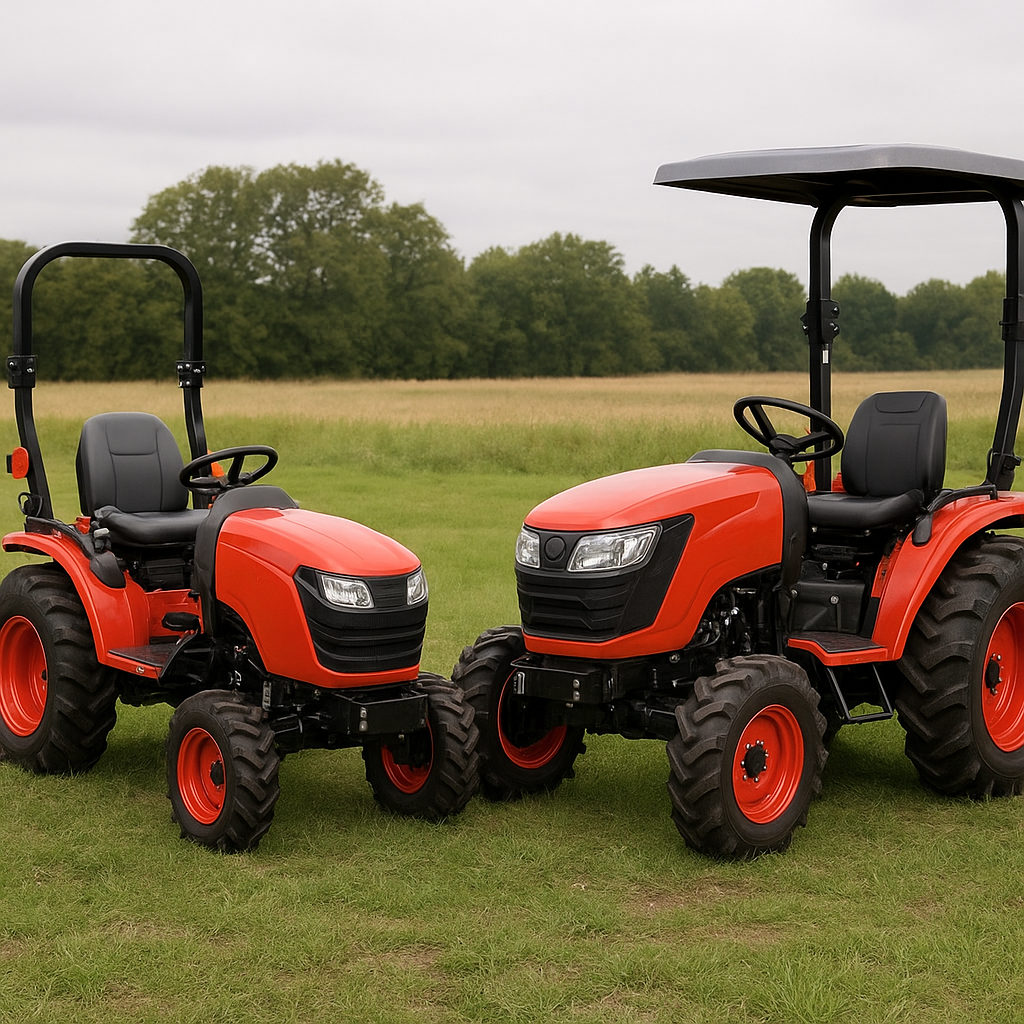
- Sub-compact tractors typically range from 15 to 25 horsepower and are ideal for lighter-duty tasks such as mowing lawns, digging small trenches, and light material handling.
- Compact tractors generally offer between 25 and 50 horsepower, tackling heavier workloads like tilling medium-sized fields, hauling heavier loads, and operating larger implements.
Recognizing these baseline differences is the first step toward selecting the right machine for gardens, small farms, or property upkeep.
Dimensions and Design
The physical build of a tractor directly impacts its maneuverability, stability, and overall user experience.
Size and Weight
- Sub-compact models usually weigh between 800 and 1,500 pounds. Their lighter frame allows for easy navigation around tight corners, beneath low-hanging branches, and through narrow gates.
- Compact units can weigh up to 4,500 pounds, offering improved stability when lifting heavier attachments or working on sloped terrain, but requiring more space to maneuver.
Chassis and Configuration
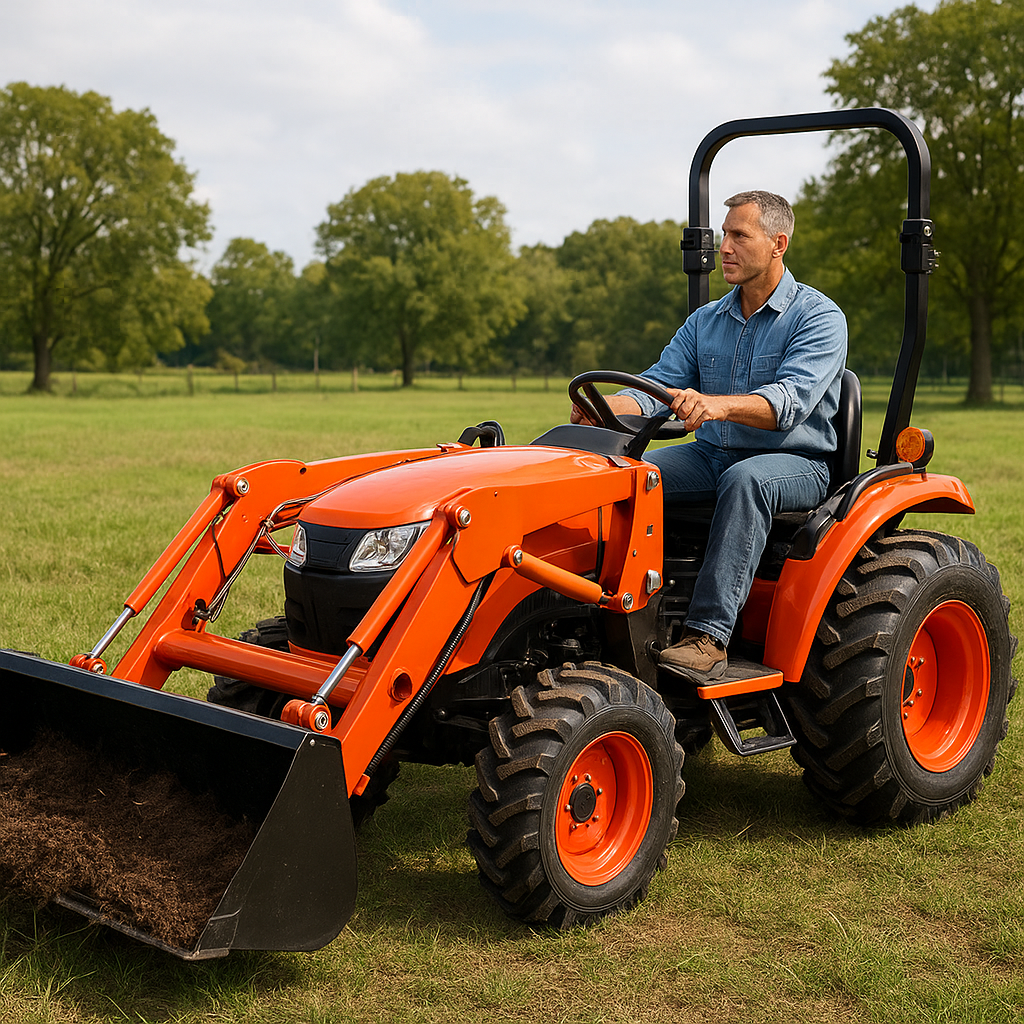
- Sub-compacts often feature a simplified, bolt-on loader design. This makes attachment changes straightforward but limits the size and weight of compatible implements.
- Compact tractors come equipped with more robust hitches (Category 1 or 2 three-point hitches) and can support a broader range of implements, including backhoes and mid-mount mowers.
Overall, the trade-off between a smaller footprint and greater stability defines the design distinction.
Engine Power and Performance
Under the hood, engine characteristics determine how well a tractor handles tasks from soil cultivation to heavy lifting.
Horsepower and Torque
- Sub-compact horsepower ratings start around 15–25 HP and typically include three-cylinder diesel engines. These engines are fuel-efficient but may struggle under constant heavy load.
- Compact tractors boast 25–50 HP four-cylinder engines, delivering higher torque and sustained performance for prolonged operations.
Fuel Capacity and Efficiency
- Smaller fuel tanks in sub-compact models mean lighter weight but more frequent refilling during extended sessions.
- Compact machines come with larger tanks, leading to fewer interruptions and better suitability for larger jobs.
When assessing performance, always consider peak and continuous output. The increased power of a compact tractor makes it better suited for demanding applications, while sub-compacts excel at occasional light tasks.
Attachments and Versatility
One of the major advantages of modern tractors is the ability to swap implements quickly, turning a single tractor into a multi-purpose tool.
Common Attachments for Sub-Compacts
- Front-end loaders for moving mulch, gravel, or garden soil.
- Box blades or rotary tillers for light grading and seedbed preparation.
- Snowblowers or sweepers for property maintenance in winter.
Popular Implements for Compacts
- Backhoes capable of digging trenches up to 6 feet deep.
- Mid-mount mowers and flail mowers for large lawn or pasture maintenance.
- Post hole diggers, stump grinders, and rear-mounted trenchers for construction or land-clearing projects.
The broader range of attachments a compact tractor supports directly correlates to its increased versatility and capacity to handle heavy-duty implements.
Cost Considerations and Maintenance
Budget and ongoing expenses play a significant role in the decision-making process.
Initial Purchase Price
- Sub-compact tractors typically start around $8,000 to $12,000, making them attractive for homeowners and hobby farmers.
- Compact tractors generally range from $15,000 to $30,000, reflecting their higher weight capacity, engine size, and attachment compatibility.
Operating Costs
- Fuel consumption is proportionally lower in sub-compacts, but they may require more frequent service intervals.
- Compacts use more diesel per hour but can accomplish tasks in fewer passes, potentially reducing overall fuel usage.
Maintenance and Repairs
- Sub-compacts feature simpler hydraulic systems and fewer moving parts, leading to reduced maintenance complexity.
- Compact tractors have more advanced hydraulics, drive systems, and electronics, which may elevate repair costs but also offer superior performance.
Balancing the cost of ownership with expected productivity is crucial for any prospective buyer.
Selecting the Right Model
Choosing between a sub-compact and a compact tractor begins with a clear assessment of your property size, the intensity of tasks, and future expansion plans.
- For small yards, light gardening, and occasional snow removal, a sub-compact tractor offers maneuverability and affordability.
- If you anticipate larger landscaping projects, moderate-scale farming, or construction-related work, a compact tractor’s enhanced capabilities justify the investment.
Ultimately, the decision hinges on matching the machine’s strengths—be it maneuverability or raw power—to the demands of your workflow. With the right tractor, chores become faster, safer, and more enjoyable, allowing you to tackle tasks once reserved for heavy machinery rentals.