Clearing land efficiently and safely requires more than brute force—it demands the right combination of machinery, techniques, and planning. Utilizing your tractor for land clearing not only saves time but also enhances overall productivity. In this guide, we explore key attachments, preparation steps, operational methods, and upkeep practices that ensure a smooth and effective clearing process.
Essential Attachments for Effective Clearing
Choosing the correct attachments is crucial for tailoring your tractor to specific clearing tasks. Each tool offers unique advantages depending on vegetation density, tree size, and soil conditions.
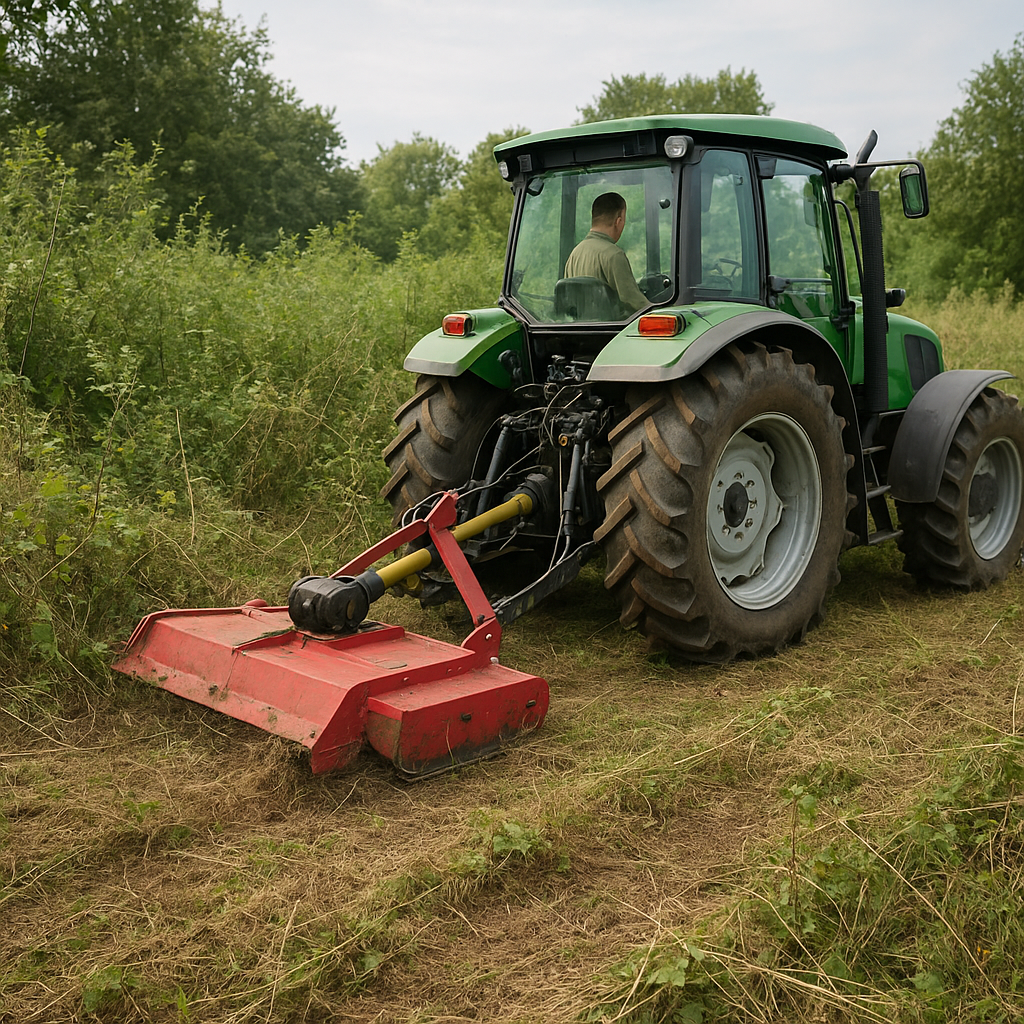
- Brush Mower: Ideal for cutting through thick grass, shrubs, and small saplings. Equipped with reinforced blades, it handles dense undergrowth without overloading the engine.
- Box Blade: Works well for leveling ground and removing residual debris after major clearing. Adjustable scarifiers help break up compacted soils.
- Land Plane: Provides a smoother finish by redistributing soil and filling shallow ditches. It’s essential for preparing driveways or pathways post-clearing.
- Grapple Bucket: Enables quick removal of logs, roots, and large stumps. Its mechanical tongs grip heavy materials, reducing manual labor.
- Forestry Mulcher: Shreds small trees and brush into fine mulch, accelerating decomposition and improving soil health over time.
Ensure compatibility between your tractor’s horsepower and the attachment requirements. Overloading can compromise safety and lead to mechanical failures.
Planning and Site Preparation
Effective clearing starts before the tractor engine roars to life. A well-crafted plan mitigates risks and enhances efficiency.
- Site Assessment: Conduct a thorough walkover to identify obstacles such as boulders, buried debris, and utility lines. Flag these areas clearly to avoid accidental damage.
- Soil Conditions: Determine whether the soil is sandy, clay-heavy, or rocky. Different soils influence traction, attachment choice, and fuel consumption.
- Topography: Photograph and map slopes, wetlands, and drainages. Steep terrain requires lower speeds and possibly a forklift attachment for stability.
- Permit Requirements: Verify local regulations regarding tree removal, wetland preservation, and wildlife habitats. Securing permits in advance prevents costly delays.
- Access Routes: Plan entry and exit points. Creating temporary roads or matting can minimize soil compaction and reduce environmental disruption.
Environmental Considerations
Responsible operator practices preserve ecosystems while achieving clearing objectives. Minimize erosion by fencing off waterways, and apply erosion control measures like silt fencing or straw wattles on exposed slopes.
Operational Techniques for Safe Clearing
Executing clearing operations demands attention to detail, disciplined driving, and ongoing monitoring of equipment performance.
- Start Slowly: Engage attachments at low speed to ensure smooth startup. Gradually increase RPM as you gain confidence and stability.
- Maintain Visibility: Keep a clear line of sight. Use mirrors and rear cameras to monitor attachment engagement and detect hidden obstructions.
- Controlled Passes: Instead of aggressive long runs, make overlapping short passes. This reduces stress on the hydraulics and allows for better debris management.
- Stump and Root Removal: When encountering large stumps, position the bucket beneath the root mass and use leverage to lift. For stubborn roots, a back-and-forth rocking motion helps break free embedded wood.
- Mulching Mode: If using a mulcher, ensure the rotor speed matches the density of vegetation. Too slow, and you risk clogging; too fast, and you may fling debris dangerously.
- Work with the Weather: Avoid extremely dry or wet conditions. Wet soil can stall machinery, while dry ground increases fire hazards when using high-speed attachments.
PPE such as steel-toed boots, high-visibility clothing, and sturdy gloves is non-negotiable. Keep a fire extinguisher and first-aid kit readily accessible.
Maintenance and Post-Clearing Care
Regular maintenance maximizes the lifespan of your tractor and attachments, ensuring each clearing session starts without unexpected breakdowns.
- Daily Inspections: Check hydraulic lines for leaks, inspect tire pressure, and verify fluid levels (engine oil, coolant, hydraulic fluid).
- Attachment Servicing: Sharpen blades on mowers and mulchers after each use. Lubricate pivot points and grease fittings to prevent rust.
- Debris Cleaning: Remove all plant matter from radiators, belts, and pulleys to avoid overheating and fire risks.
- Gearbox and Transmission: Change gear oil according to manufacturer intervals. Monitor for unusual noises which may signal internal wear.
- Filter Replacement: Air, fuel, and hydraulic filters should be swapped out periodically to retain optimal productivity and minimize engine stress.
After clearing, consider soil health by adding organic matter or planting groundcover to reduce erosion. Preserve topsoil and promote regeneration for long-term environment sustainability.
Maximizing Efficiency and Cost Savings
Implementing strategic practices boosts overall job efficiency while controlling operational expenses:
- Fuel Management: Adopt smooth throttle transitions and avoid unnecessary idling. Monitor fuel consumption and plan refueling to reduce downtime.
- Attachment Swapping: Group similar tasks to minimize attachment changes. For instance, complete all stump extractions before switching to grading tools.
- Operator Training: Skilled operators complete tasks faster and with fewer mistakes. Invest in training sessions to refine techniques such as precision grading and safe operation on inclines.
- Data Tracking: Record hours, fuel usage, and maintenance costs. Analyzing these metrics highlights areas for improvement and potential savings.
- Seasonal Scheduling: Plan clearing activities during optimal seasons to avoid extreme weather and leverage favorable soil conditions.