Storing a tractor for an extended period requires careful planning, consistent maintenance, and attention to detail. Whether you own a small utility tractor or a powerful agricultural machine, following best practices ensures your equipment remains reliable and ready for action when needed. This guide outlines essential steps to optimize storage, protect sensitive components, and prevent damage from environmental factors.
Preparing Your Tractor for Storage
Thorough preparation is the foundation of long-term preservation. Before placing your tractor into a shed or under cover, take time to perform a complete inspection and basic service tasks. A well-prepared machine not only avoids premature wear but also reduces the risk of costly repairs down the road.
Cleaning and Surface Treatment
- Begin by washing the exterior with a mild detergent to remove dirt, oil, and debris. Pay attention to undercarriage areas where mud can trap moisture and accelerate rust.
- Allow all parts to dry completely. Use compressed air to blow out water from tight crevices, cooling fins, and around the engine block.
- Apply a thin coat of corrosion inhibitor or wax to painted surfaces and exposed metal components. This additional barrier combats oxidation during periods of inactivity.
Comprehensive Inspection
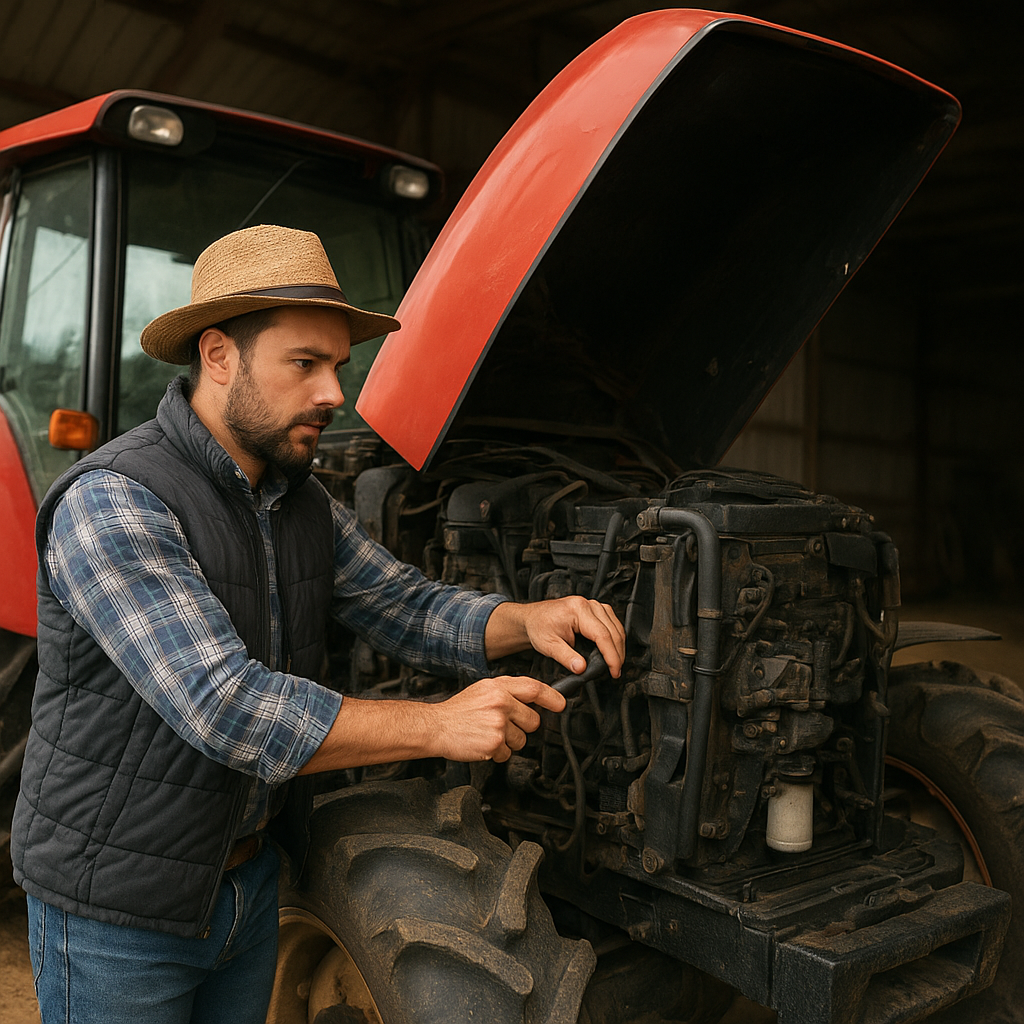
- Check for leaks in the fluids system. Look for drips under the engine, hydraulic lines, and axles. Repair or tighten fittings as needed.
- Inspect belts, hoses, and rubber seals for signs of cracking or wear. Replace any parts that exhibit brittleness to avoid failure when the tractor returns to service.
- Examine tires for cuts, punctures, or bulges. Proper tire health prevents flats and maintains stability during storage moves.
Choosing the Right Storage Environment
Selecting an optimal space for your tractor keeps temperature fluctuations and moisture under control—key elements in avoiding component degradation. An indoor facility is ideal, but various solutions exist depending on your budget and available structures.
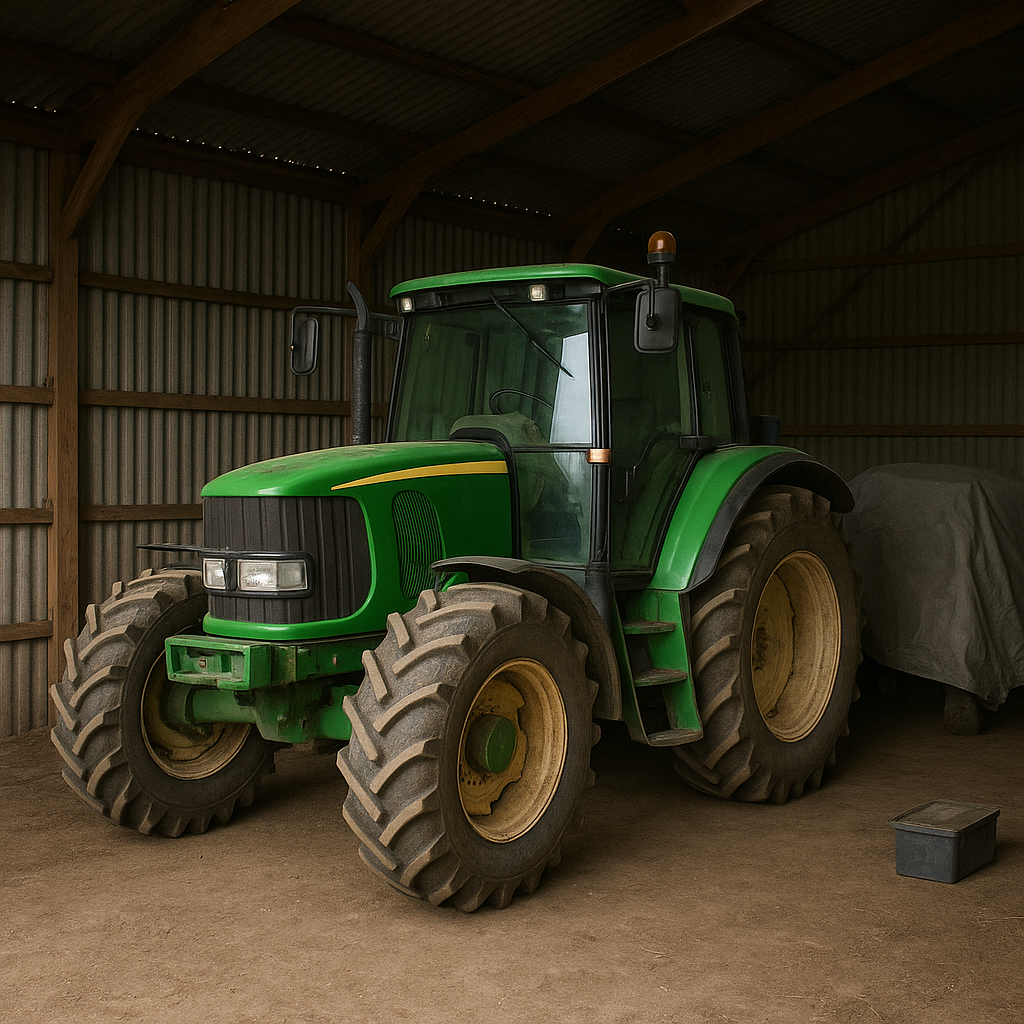
- Indoor Storage: A climate-controlled workshop or barn offers the best protection. Ensure adequate ventilation to minimize condensation build-up while maintaining a stable temperature between 40°F and 80°F (4°C to 27°C).
- Covered Outdoor Parking: If indoor space is unavailable, use a heavy-duty tractor cover or tarp. Choose a breathable material to prevent trapped humidity and mold growth. Secure edges tightly to shield against wind and pests.
- Elevated Platforms: Placing the tractor on wooden blocks or steel stands reduces tire stress and prevents flat spots. Elevation also improves air circulation around the undercarriage.
Mechanical and Fuel System Preservation
Neglecting the engine and fuel system can lead to varnish formation, clogged filters, and corrosion. Follow these steps to safeguard critical mechanical parts.
Oil and Filter Service
- Change the engine oil and replace the oil filter. Fresh oil reduces acid build-up and protects internal surfaces.
- Grease all fittings according to the manufacturer’s schedule. Proper lubrication prevents seals from drying and metal surfaces from galling.
Fuel Stabilization
- Fill the fuel tank to minimize condensation inside the tank. Add a fuel stabilizer formulated for diesel or gasoline, depending on your model. Run the engine for several minutes to distribute the additive throughout the system.
- Inspect and replace the fuel filter if needed. A clean filter blocks contaminants that can degrade injectors and carburetors.
Cooling System Care
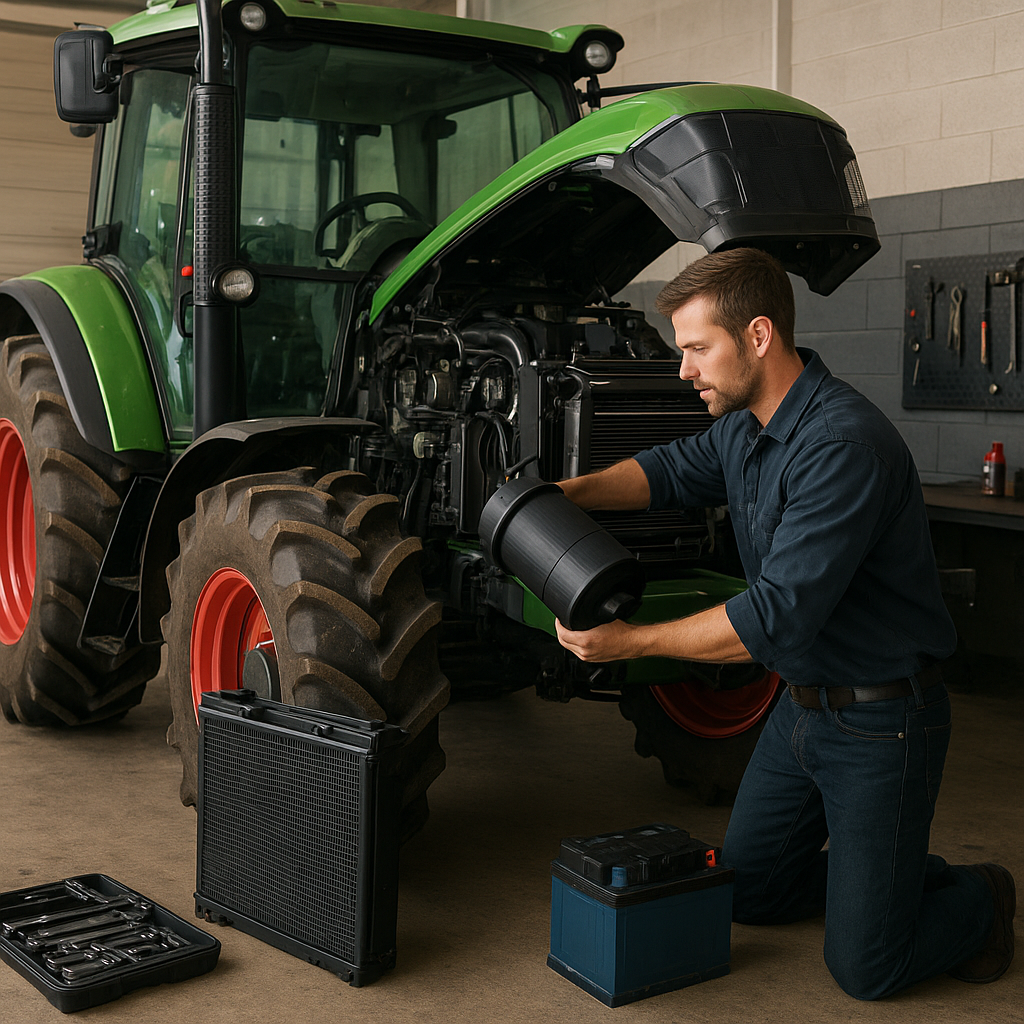
- Check coolant concentration and top off with a mixture of antifreeze and water. Proper ratio protects against freezing in winter and overheating in summer.
- Inspect hoses and the radiator cap. Replace any cracked or bulging parts to avoid leaks under thermal cycling.
Electrical System and Battery Care
Electrical components are vulnerable to discharge, corrosion, and rodent damage during inactivity. Proactive measures extend the life of wiring harnesses and battery cells.
- Disconnect the negative battery cable and clean cable terminals with a wire brush. Apply a battery terminal protector or light grease to inhibit corrosion.
- Store the battery on a trickle charger or in a cool, dry place. Maintaining a float charge prevents sulfation and preserves capacity.
- Seal openings where rodents might nest—mouse guards or wire mesh around the engine bay deter pests from chewing wires.
Tire and Hydraulic System Maintenance
Proper maintenance of tires and hydraulics safeguards performance when the tractor returns to work.
Tire Pressure Adjustment
- Inflate tires to the manufacturer’s recommended pressure. Excessive underinflation can cause flat spots as rubber rests on concrete or hard floors.
- If leaving the tractor stationary for months, rotate wheels or shift the tractor’s position periodically to distribute weight differently.
Hydraulic System Protection
- Run the hydraulic pump to circulate fluid and warm up seals before storage. Then, shut down and allow fluid to settle.
- Inspect hoses, couplings, and cylinder rods for leaks or damage. Replace or tighten where necessary.
- Add a small amount of hydraulic oil preservative to inhibit moisture absorption and seal decay.
Covering, Ventilation and Pest Prevention
Even in the best environments, moisture and animals can cause unexpected damage. Implement these protective measures for peace of mind.
- Use a high-quality tractor cover with breathable panels to allow moisture escape while keeping dust out.
- Place desiccant packs or moisture absorbers near sensitive areas such as the air intake and instrument panel.
- Set traps or deterrents around the storage area to discourage pest activity. Keep oats or metal traps at entry points to the building.
Periodic Inspections and Restart Preparation
A tractor stored for over a month benefits from scheduled checks. Regular attention prevents minor issues from becoming major problems.
- Every 30–45 days, inspect fluid levels, battery voltage, and tire pressure. Top off as needed to maintain optimum values.
- Start the engine and let it idle until reaching normal operating temperature. Listen for unusual noises and watch for leak formation.
- Engage PTO shafts or hydraulic functions to circulate fluids and lubricate internal components. Run for 10–15 minutes before shutting down.
- Record each inspection in a logbook. Tracking conditions over time highlights trends and potential trouble spots before they escalate.