Proper storage of farm equipment is a crucial aspect of maximizing the lifespan and performance of tractors. Ignoring storage best practices can lead to costly repairs, unexpected downtime, and reduced resale value. This guide explores key considerations for selecting storage facilities, preparing tractors for off-season periods, and implementing protective measures that prevent damage and keep machines ready for action.
Selecting the Right Storage Facility
Indoor vs Outdoor Storage
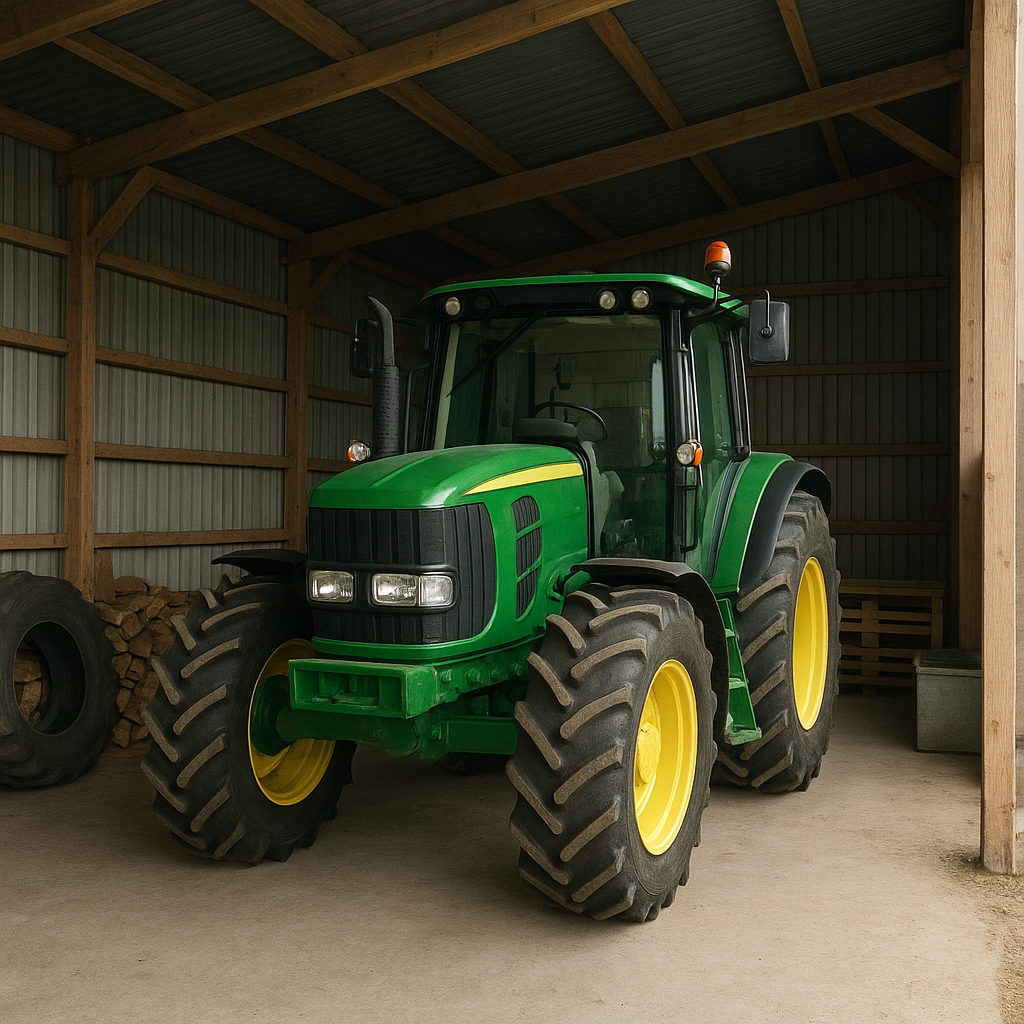
- Indoor storage offers superior protection against weather extremes, UV radiation, and precipitation.
- Outdoor storage can be practical when space is limited, but demands additional protective measures such as heavy-duty covers and elevated platforms.
- Durability of storage structures should be assessed, focusing on materials that resist rust and rot.
Location and Accessibility
- Choose a site with stable ground to avoid settling or pooling water around the machine.
- Ensure access for routine inspections and any maintenance vehicles.
- Consider proximity to fuel and service areas to cut down on downtime when the tractor is redeployed.
Climate Control and Ventilation
- A climate-controlled environment regulates temperature and humidity, reducing condensation that accelerates corrosion.
- Adequate ventilation prevents mold growth on seats and upholstery and helps dissipate chemical fumes.
Preparing Your Tractor for Storage
Thorough Cleaning and Inspection
- Remove all debris, mud, and crop residue from the undercarriage, engine bay, and radiator to prevent moisture retention.
- Inspect for fluid leaks, worn hoses, cracked belts, and damaged seals—address these issues before storage to avoid further deterioration.
- Apply a light coat of protective wax or corrosion inhibitor on metal surfaces to enhance rust protection.
Fluid Management
- Change engine oil and filter to eliminate acidic contaminants that develop over time.
- Top off coolant with a proper antifreeze mixture to avoid freezing and pH breakdown.
- Add a fuel stabilizer to a full tank to protect the fuel system from varnish and ethanol-related phase separation.
- Check hydraulic fluid concentration and condition; replace if contaminated or degraded.
Battery Care
- Disconnect the battery or use a smart maintainer to keep it at optimal charge over long storage.
- Clean terminals and apply a thin film of dielectric grease to prevent corrosion buildup.
- Store the battery in a cool, dry place if removed from the tractor to reduce self-discharge rates.
Tire and Track Protection
- Inflate tires to the manufacturer’s recommended pressure to avoid flat spots.
- If the tractor will remain stationary for months, consider placing boards under tires to distribute weight and reduce soil compaction.
- For tracked vehicles, inspect tension and realign as necessary before storage to prevent unnecessary strain.
Protective Measures and Long-term Maintenance
Corrosion Prevention and Lubrication
- Apply grease to all zerks, including steering linkages, pivot points, and hitch components, to ensure proper lubrication when reactivated.
- Remove spark plugs and spray a fogging oil into each cylinder to coat internal surfaces; reinstall plugs once complete.
- Cover exhaust openings with tape or specialized caps to block moisture and pests, then remove covers before starting the engine.
Pest Control Strategies
- Seal gaps around doors, windows, and vents to prevent rodents from nesting inside the tractor.
- Place traps or deterrents near engine compartments and under seats, focusing on areas with wiring harnesses.
- Regularly inspect for droppings or chew marks; rodent damage can lead to expensive electrical repairs and fluid leaks.
Environmental Considerations
- Use drip trays under the engine and hydraulic systems to catch potential leaks and prevent soil contamination.
- Store used lubricant and filter elements in sealed containers for proper recycling or disposal.
- Maintain spill kits and absorbent materials on-site to manage accidental releases swiftly and sustainably.
Routine Inspections and Seasonal Check-ups
- Schedule monthly walkarounds to verify tire pressure, fluid levels, and the condition of protective covers.
- Run the tractor briefly at moderate RPMs every 30–60 days to circulate fluids, charge the battery, and spot hidden issues early.
- Document all findings and maintenance actions for future reference, building a history that boosts resale or trade-in value.