The integration of advanced machinery in modern farming has transformed the landscape of agriculture, especially when it comes to preserving natural resources and enhancing productivity. Among these machines, tractors have emerged as pivotal tools that bridge the gap between traditional methods and innovative practices. By teaming up with conservation principles, these mechanical workhorses play a critical role in maintaining soil health, reducing environmental footprint, and promoting long-term farm viability. This article delves into the multifaceted contributions of tractors to the growing field of conservation agriculture and examines how their evolution continues to shape sustainable farming systems.
Understanding Soil Health and Mechanization
Soil represents the foundation of crop production, influencing water retention, nutrient cycling, and plant development. In conventional farming, heavy tillage operations can disrupt soil structure, leading to erosion, compaction, and loss of organic matter. However, by leveraging specialized tractors and reduced-disturbance implements, growers can adopt practices that align with conservation objectives rather than work against them.
Reduced Tillage and Tractor Adaptation
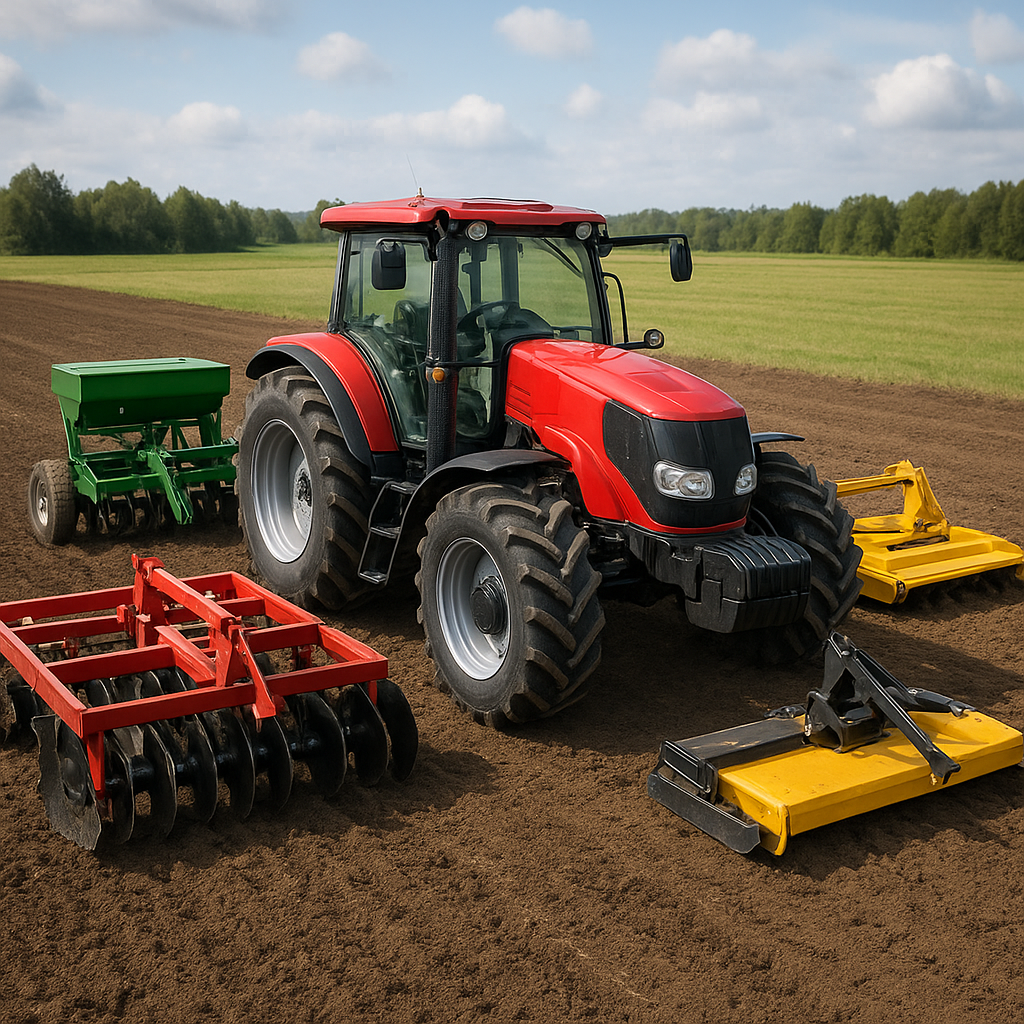
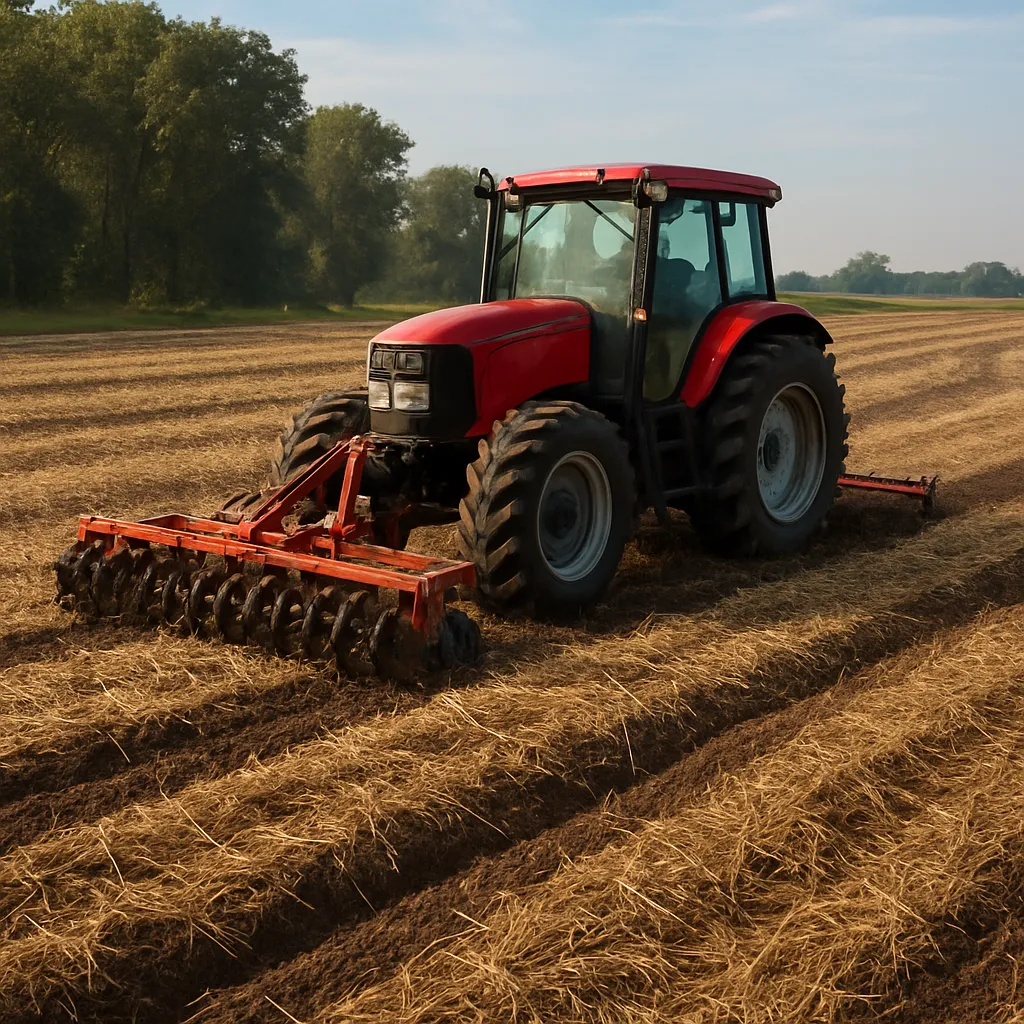
Reduced tillage breaks the cycle of constant soil inversion and helps maintain a protective mulch on the surface. Tractors equipped with no-till drills and coulter attachments allow for conservation of soil integrity. Key features include:
- High-torque engines to penetrate crop residues without excessive horsepower.
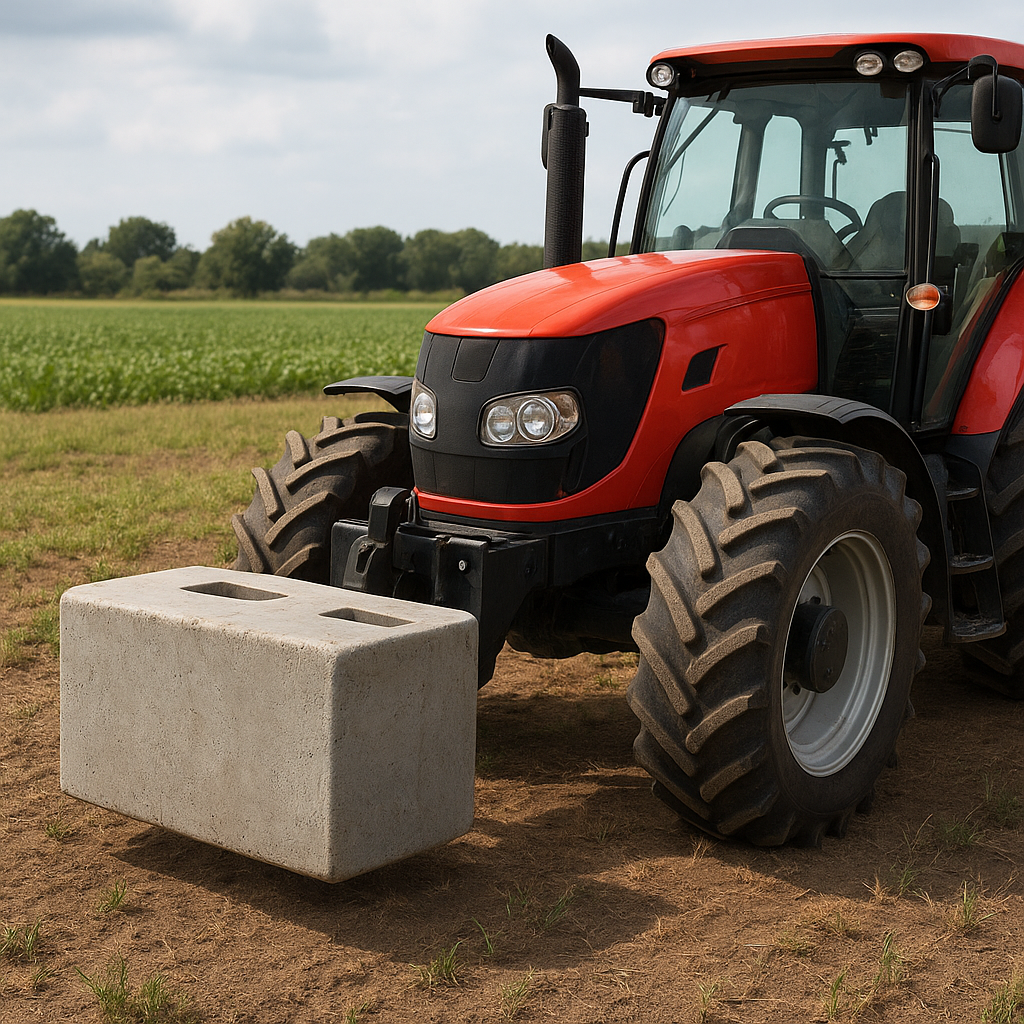
- Adjustable ballast and tire pressure for optimal flotation and reduced emissions of particulate matter.
- Precision-mounted coulters that open narrow seed furrows, minimizing disturbance.
Controlled Traffic Farming
Controlled Traffic Farming (CTF) confines machinery movement to specific lanes, preventing random wheel passes that cause compaction. Modern tractors integrate GPS-based auto-steer systems, ensuring consistency in path alignment. As a result, the majority of the field remains untouched, promoting better root growth and enhanced soil porosity.
Innovative Tractor Technologies Driving Progress
Tractor manufacturers continuously innovate to meet the demands of sustainability and productivity. Advances in digitalization, powertrain design, and operator assistance systems are revolutionizing how machines interact with the living ecosystem beneath our feet.
Precision Agriculture Integration
Precision technology empowers farmers to apply inputs at variable rates, tailored to micro-variations in soil fertility and moisture. Tractors now come with integrated sensors and mapping software to facilitate:
- Auto-guidance for sub-inch accuracy in seeding and fertilization.
- Yield monitoring to inform future field management strategies.
- Real-time adjustment of pesticide and fertilizer flow based on geospatial data.
With this level of control, less product is wasted, and runoff into waterways is significantly reduced, supporting both innovation and environmental stewardship.
Alternative Powertrains and Emission Control
Diesel remains prevalent in tractor powertrains, but hybrid and fully electric prototypes are making headway. These next-generation machines target a sharp reduction in carbon output and noise pollution. Core developments include:
- Battery-electric drivetrains offering zero tailpipe emissions during operation.
- Regenerative braking systems to recapture energy on slopes.
- After-treatment filters and SCR (Selective Catalytic Reduction) to curb nitrous oxide and particulate emissions.
Environmental and Economic Benefits of Conservation Tractors
Implementing conservation-focused tractor practices yields a spectrum of advantages—both ecological and financial. By minimizing soil disturbance, farms can build resilience to climate variability and reduce long-term input costs.
Ecological Advantages
- Enhanced soil organic content through residue retention, improving water-holding capacity and drought tolerance.
- Lower erosion rates due to continuous surface cover and reduced runoff velocity.
- Protection of microbial diversity and nutrient cycles, fostering healthier crop communities.
Economic Considerations
- Reduced fuel consumption from lighter draft requirements and optimized route planning.
- Lower machinery wear and maintenance costs by decreasing unnecessary field passes.
- Potential premium pricing for sustainably produced commodities, attracting environmentally conscious consumers and stakeholders.
Challenges and Future Perspectives
Despite the clear gains, adoption of conservation-focused tractor systems faces hurdles. High initial investment costs, a scarcity of trained operators, and infrastructure gaps can slow progress. Additionally, compatibility issues between legacy equipment and new precision tools may require retrofitting or phased upgrades.
Overcoming Adoption Barriers
To accelerate integration of conservation machinery, extension services, equipment dealers, and policymakers must collaborate. Options include:
- Subsidies and low-interest loans to lower financial entry points.
- Hands-on training programs emphasizing best management practices.
- Demonstration plots showcasing real-world benefits in yield stability and cost savings.
The Role of Data and Collaboration
Moving forward, data-driven decision making will be pivotal. Farmers who pool field data and share experiences can refine methodologies at a regional scale. Internet of Things (IoT) connectivity in tractors will allow for remote diagnostics, predictive maintenance, and continuous optimization of conservation tactics.
Vision for the Next Decade
Looking ahead, synergy between mechanical innovation and ecological principles will deepen. Trends to watch include:
- Fully autonomous tractors that operate with minimal human oversight, adjusting in real time to field conditions.
- Advanced bio-based lubricants and fluids to further reduce the environmental footprint of machinery.
- Integration of robotics for targeted weeding and planting tasks, complementing tractor-based systems.
Ultimately, tractors remain indispensable in the quest for sustainable food production. As technology evolves, these machines will continue to drive productivity gains, safeguard natural resources, and shape the future of efficiency in farming systems worldwide.