Exploring the world of modern farming reveals a wide array of decisions that can shape productivity and profitability. Among these, choosing whether to purchase or rent heavy machinery remains a pivotal consideration for many agricultural professionals. By evaluating the distinct advantages and disadvantages of renting tractors, farmers can determine the most efficient strategy for their operations.
Economic Aspects of Tractor Rental
The financial implications of renting versus buying tractors have a direct impact on a farm’s bottom line. Evaluating initial outlays, ongoing expenses, and the overall return on investment is crucial for sustainable growth.
- Affordability: Renting requires a significantly lower upfront cost compared to the purchase of a new or used tractor. This can free up capital for other operational needs such as seed, fertilizer, or labor.
- Depreciation: Ownership entails bearing the full brunt of depreciation, which can erode asset value rapidly. Renters shift this burden to the rental provider, preserving balance sheet health.
- Insurance and liability expenses are often included in rental agreements, whereas owners must arrange their own coverage, adding to total cost of ownership.
- In regions with fluctuating demand, renting allows farmers to match expenses to actual usage, avoiding the loss from an underutilized asset.
Operational Flexibility and Equipment Upgrades
One of the most compelling reasons to consider rental is the unparalleled flexibility it affords, enabling farms to adapt swiftly to evolving needs.
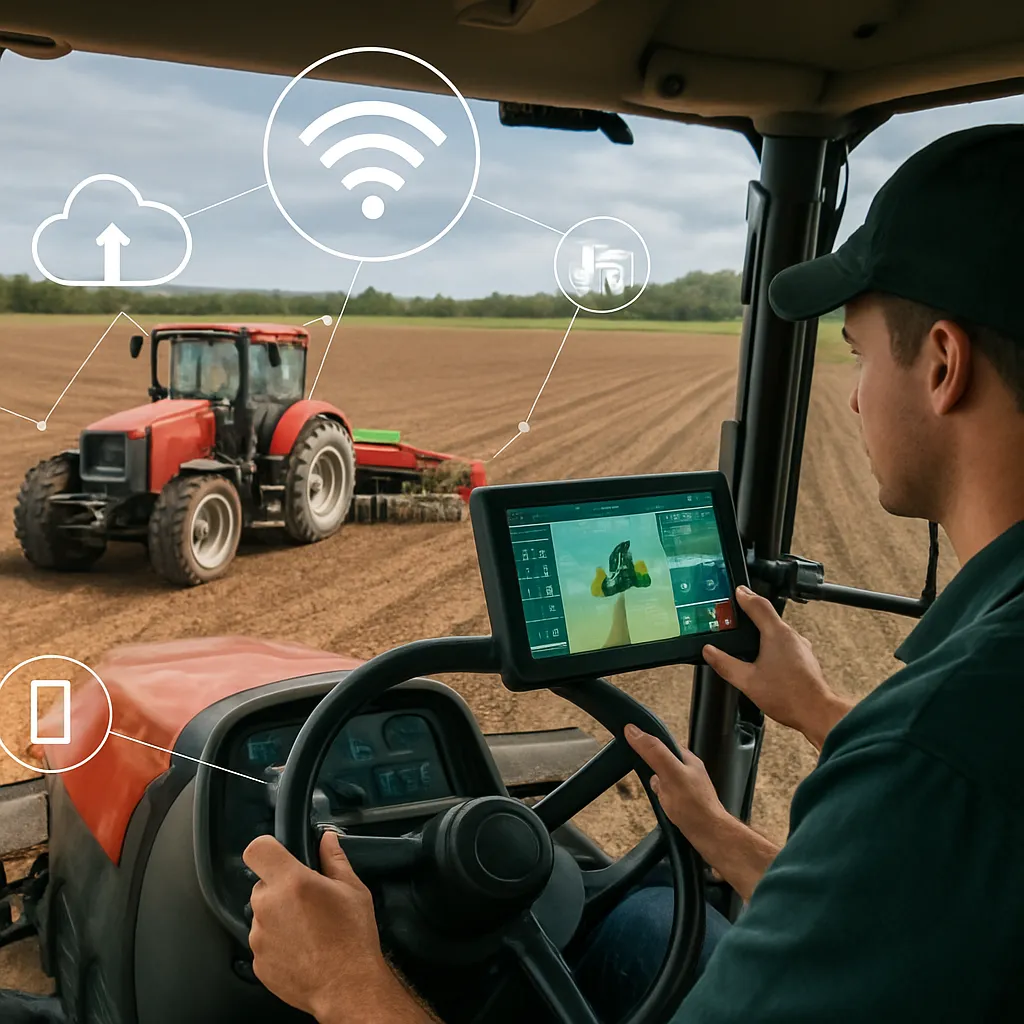
- Technology access: Rental fleets often feature the latest models equipped with GPS guidance, automated steering, and telematics, offering improvements in precision and productivity.
- Seasonal scaling: During peak periods such as planting or harvest, additional units can be rented to meet short-term spikes in workload, ensuring timely field operations.
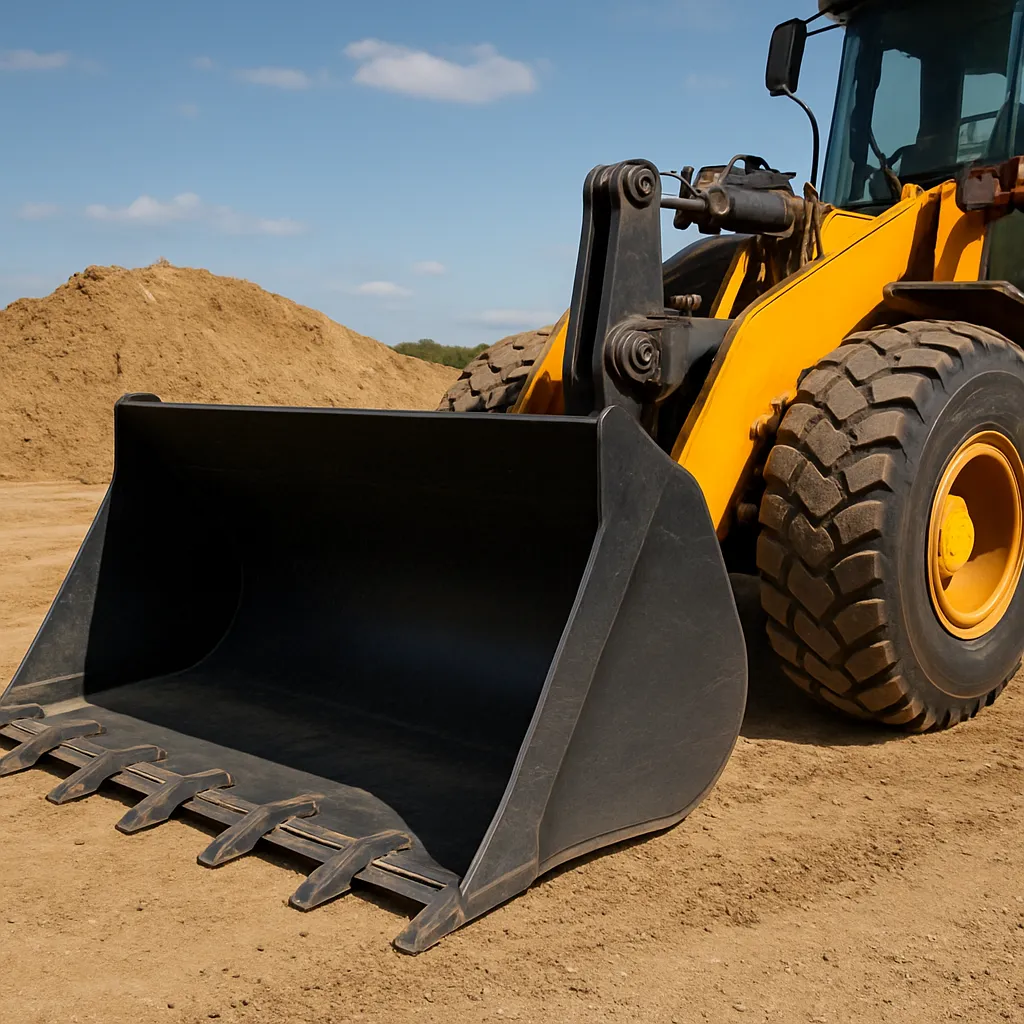
- Versatility: From compact utility tractors for small-scale tasks to high-horsepower machines for heavy tillage, renters can choose the optimal size and horsepower for each job.
- Test before purchase: Renting provides an opportunity to trial different makes and models, gathering real-world data before committing to a costly acquisition.
Maintenance, Support, and Downtime Management
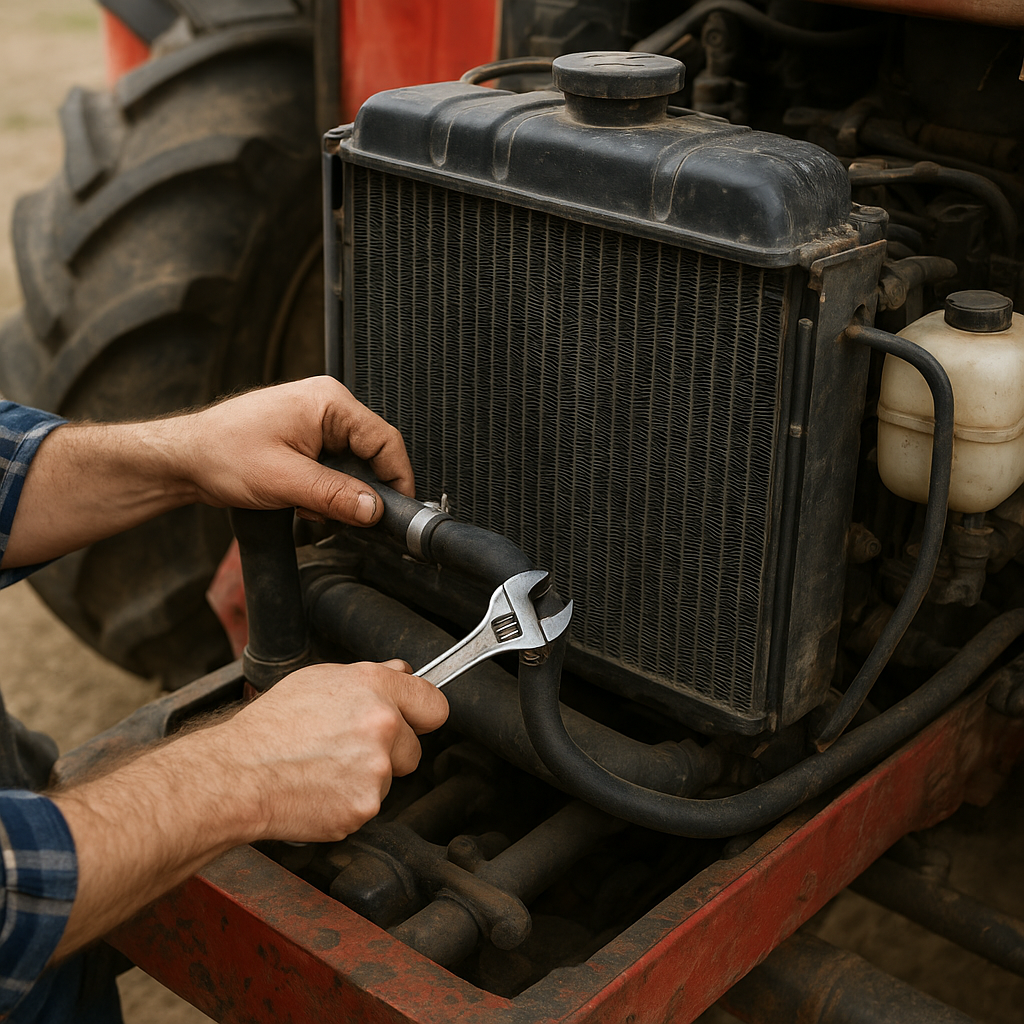
Effective maintenance practices directly influence tractor performance and reliability. Renting transfers much of this responsibility to the provider, reducing farm-level burdens.
- Maintenance inclusion: Many rental agreements cover routine servicing, inspections, and part replacements, minimizing unplanned repair costs.
- Technical support: Specialist technicians are often on-call to address breakdowns quickly, limiting downtime and associated crop losses.
- Warranty leverage: Rentals typically come with manufacturer-backed warranties for the contract duration, avoiding end-of-life repair spikes common with owned equipment.
- Logistical simplicity: Delivery and pick-up services reduce the logistical challenges of moving heavy machinery between sites or to authorized service centers.
Environmental and Sustainability Considerations
As environmental regulations tighten and consumer demand for sustainable practices grows, renting can support greener farming methods without significant capital investment.
- Newer engines: Rental fleets often consist of machines that meet or exceed current emissions standards, contributing to lower greenhouse gas output.
- Precision agriculture: Advanced rental models incorporate precision farming tools that optimize fuel usage and minimize soil compaction, promoting ecosystem health.
- Equipment sharing: Consolidated rental operations encourage shared resource utilization, reducing the total number of tractors manufactured and eventually retired.
- Waste reduction: Providers frequently refurbish and recycle components, enhancing the overall lifecycle efficiency of machinery.
Risks and Drawbacks to Consider
While renting offers numerous perks, there are inherent challenges that can affect farm planning and long-term costs.
Availability and Scheduling Conflicts
High demand during planting and harvest seasons can create shortages. Without early booking, farms may face:
- Unplanned delays that disrupt time-sensitive fieldwork.
- Compromised productivity if only suboptimal machine sizes are available.
- Higher fees for late returns or emergency reservations.
Long-Term Cost Implications
Over extended periods, rental fees can accumulate, potentially exceeding purchase costs:
- Continuous rental agreements may result in higher per-hour expenses compared to ownership amortized over a decade.
- Year-round equipment needs eliminate the seasonal cost advantage of renting.
- Unanticipated price hikes in rental rates can impact budgeting and profitability.
Customization Limits
Farmers with unique operational requirements or specialized attachments might face constraints:
- Rental fleets may not offer niche implements such as ultra-narrow implements for vineyards or specialized harvest heads.
- Customization requests can incur additional charges or may be outright unavailable.
- Attachment compatibility issues can arise when switching between brands or models.
Strategic Considerations for Rental Decisions
Selecting the right rental strategy involves aligning machine choice with operational goals and financial constraints.
- Perform a cost-benefit analysis comparing total rental expenses against ownership costs, factoring in maintenance, insurance, and depreciation.
- Develop a detailed seasonal plan to identify peak and low-demand periods, ensuring timely machine availability.
- Leverage rental providers’ expertise by negotiating flexible terms, including multi-year agreements or bulk-hour discounts.
- Maintain strong relationships with local dealers to secure priority access and favorable pricing structures.
Conclusion of Key Insights
Though renting tractors may not suit every farming operation, its advantages in financial flexibility, access to advanced reliability features, and reduced maintenance burdens cannot be overlooked. By carefully assessing needs, scheduling demands, and long-term cost trajectories, agricultural professionals can effectively harness the power of rentable equipment to drive productivity and sustainability.