Monitoring the performance of a tractor engine is essential for maximizing productivity, reducing downtime, and ensuring long-term reliability. By keeping track of various parameters and employing the right tools, operators and technicians can diagnose issues early, optimize fuel consumption, and extend the lifespan of key components. This article outlines methods and technologies for effective tractor engine performance monitoring across multiple stages of operation.
Understanding Key Engine Parameters
Before implementing any monitoring strategy, it’s important to recognize which metrics offer the most insight into the health of your tractor’s engine. Focusing on the right data helps target potential problems and allows for proactive maintenance. The following parameters are among the most informative:
- Fuel Efficiency: Measuring fuel consumption relative to work output. A sudden drop in efficiency often signals injector issues, clogged filters, or suboptimal tuning.
- Oil Pressure: Indicates lubrication quality. Low pressure could mean worn bearings, a failing oil pump, or leaks in the system.
- Coolant Temperature: Excessive heat may point to radiator blockages, water pump wear, or a malfunctioning thermostat.
- Exhaust Emissions: Changes in smoke color—black, white, or blue—reveal incomplete combustion, coolant intrusion, or oil burning.
- Sensors Readings: Modern engines come with numerous sensors (oxygen, crankshaft position, MAP, MAF), each offering clues about mixture and timing.
Why These Metrics Matter
Tracking these parameters consistently can highlight gradual declines before they turn into major failures. For example, a minor drop in oil pressure could be the first sign of bearing deterioration. Detecting this trend early prevents catastrophic damage that might require complete engine teardown.
Essential Tools and Technologies
Advances in diagnostic equipment and data transmission now enable real-time assessment of engine performance both in the field and in the workshop. Key tools include:
- On-Board Diagnostics (OBD) Scanners: Provide direct access to fault codes and live sensor data via the tractor’s ECU.
- Portable Multimeters: Allow measurement of voltage, current, and resistance for individual electrical components.
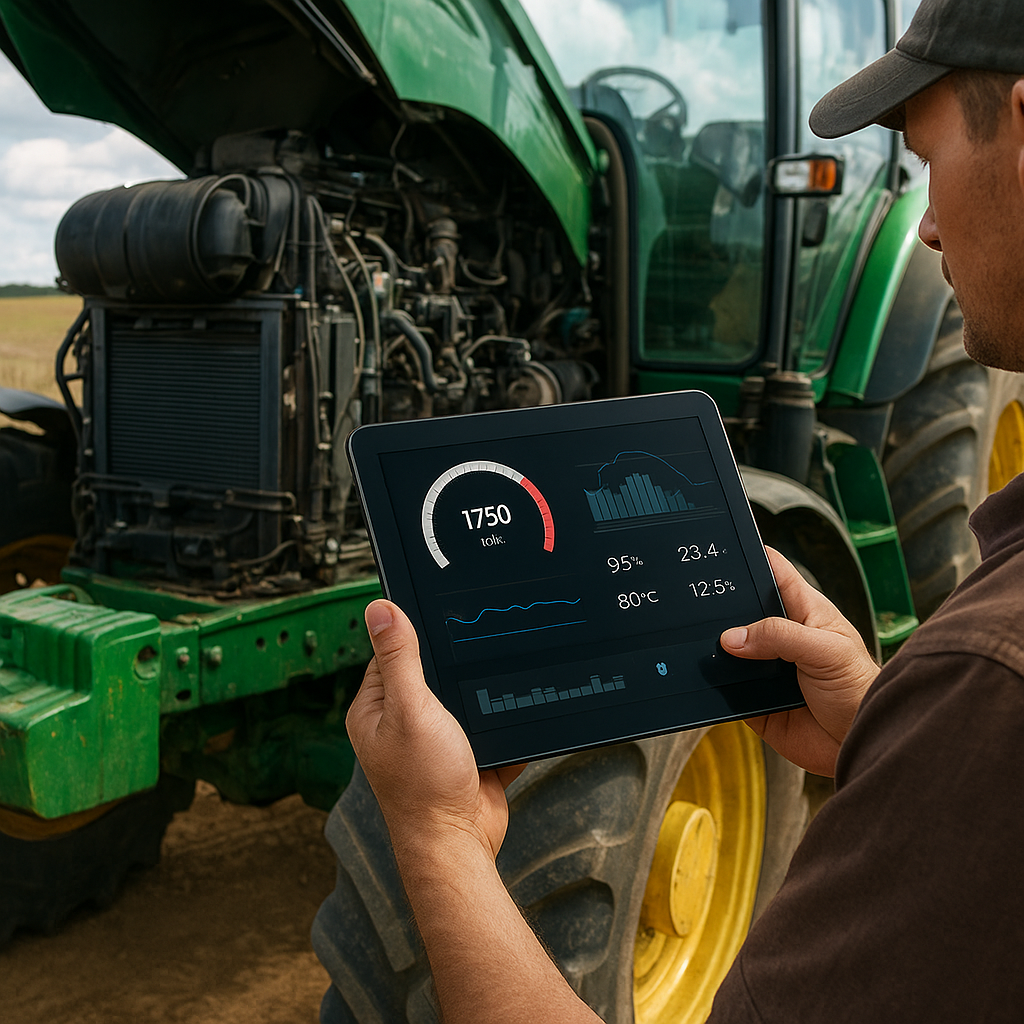
- Telemetry Systems: Transmit performance data wirelessly to a central dashboard or farm management software.
- Infrared Thermometers: Offer non-contact readings of surface temperatures on the engine block and exhaust manifold.
- Vibration Analyzers: Identify abnormal frequencies indicative of misalignment or component wear.
Integrating Sensors and Data Loggers
By installing aftermarket sensors and data loggers, fleet managers can collect continuous streams of information. Such setups often include GPS for mapping operating conditions with engine load, enabling correlation between field terrain, speed, and fuel burn. Data can be stored on SD cards or sent via cellular networks for analysis in cloud-based platforms.
Interpreting Data and Optimizing Performance
Collecting data is only half of the solution. Effectively interpreting and acting on that information drives real gains in maintenance efficiency and cost savings. Here’s how to make sense of the metrics:
- Trend Analysis: Compare oil pressure, coolant temperature, and fuel flow over days or weeks. Look for gradual changes rather than single data points.
- Threshold Alerts: Configure alerts when values exceed predetermined limits—overheating, low oil pressure, or high exhaust backpressure.
- Correlation Charts: Plot engine load against fuel consumption to identify when the engine operates in its most efficient range.
- Diagnostics Mapping: Link error codes to specific sensor readings. For instance, a high intake air temperature reading combined with a code for poor acceleration suggests an air intake obstruction.
Implementing Corrective Actions
Once issues are identified, timely interventions prevent further damage. Typical corrective measures include replacing worn filters, adjusting injection timing, cleaning radiators, and performing valve lash adjustments. Keeping a detailed log of each action helps refine maintenance schedules and reduces unplanned downtime.
Practical Tips for Field Monitoring
To ensure consistent and reliable monitoring in diverse operating environments, consider these practical guidelines:
- Regular Calibration: Periodically calibrate sensors and diagnostic tools to maintain data accuracy, especially after repairs or long-term storage.
- Routine Visual Checks: Combine electronic data with hands-on inspections—verify hoses, belts, and connections aren’t damaged or loose.
- Operator Training: Educate operators on what alarms mean and how to respond in real time, such as shutting down the engine if temperatures spike dangerously.
- Scheduled Data Reviews: Hold weekly or monthly performance review sessions to discuss trends and plan maintenance before the next field season.
- Document Everything: Use a standardized logbook or digital system. Clear records of data analysis and repairs help technicians diagnose issues faster in the future.
Enhancing tractor engine performance through disciplined monitoring not only improves productivity but also maximizes equipment lifespan and return on investment.