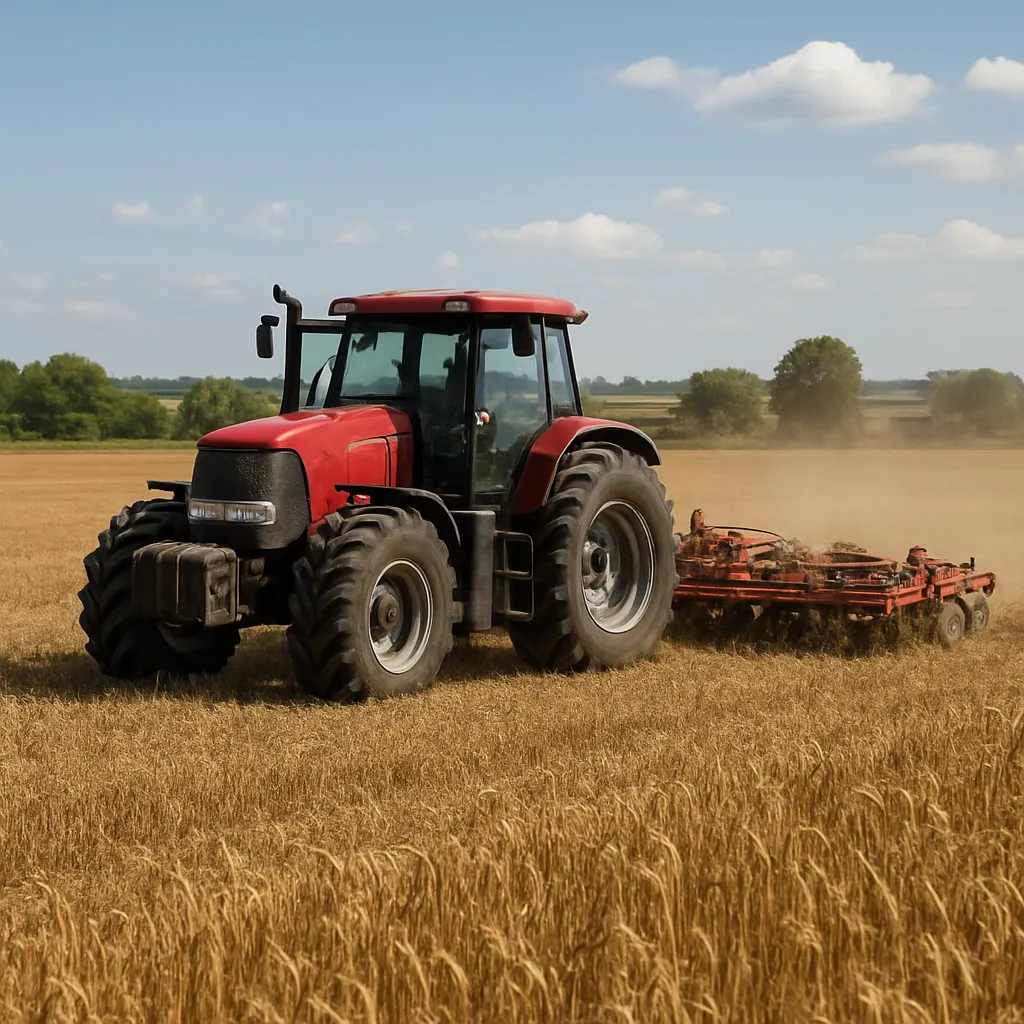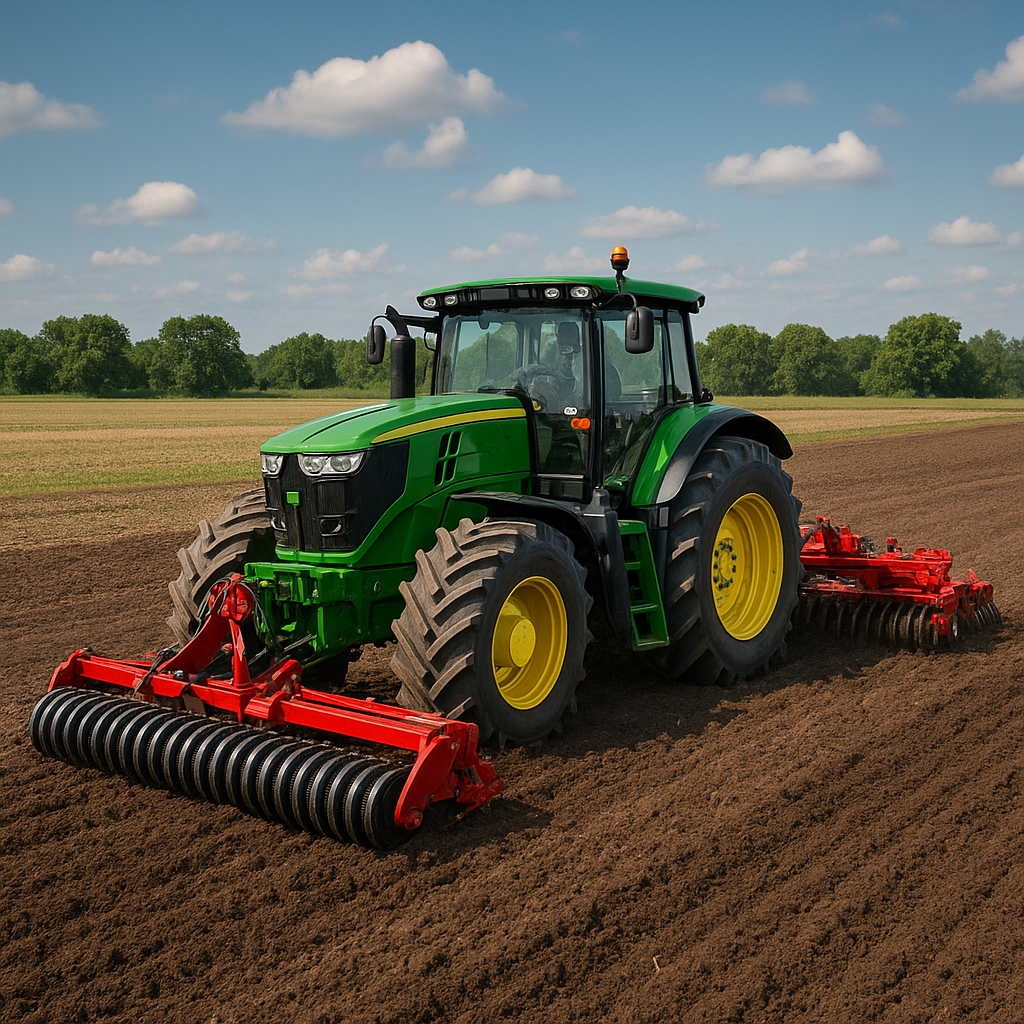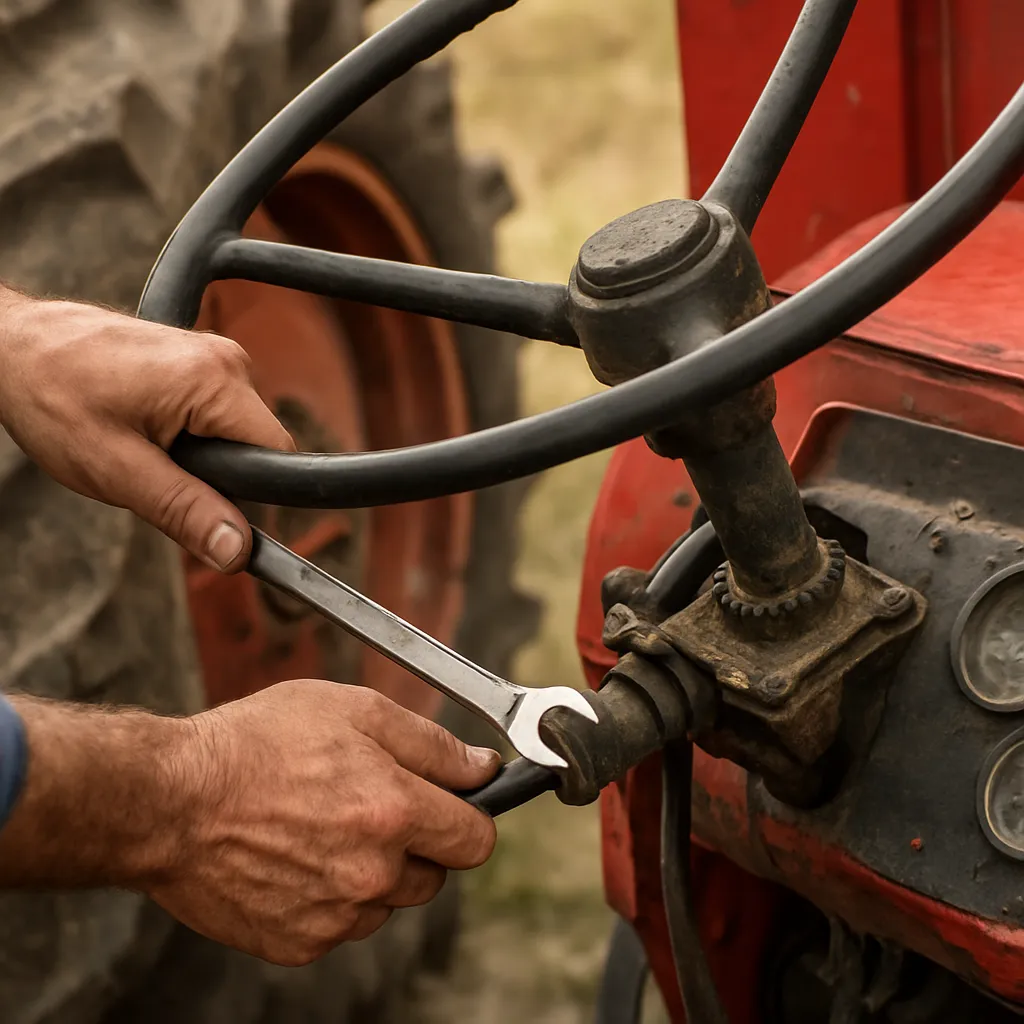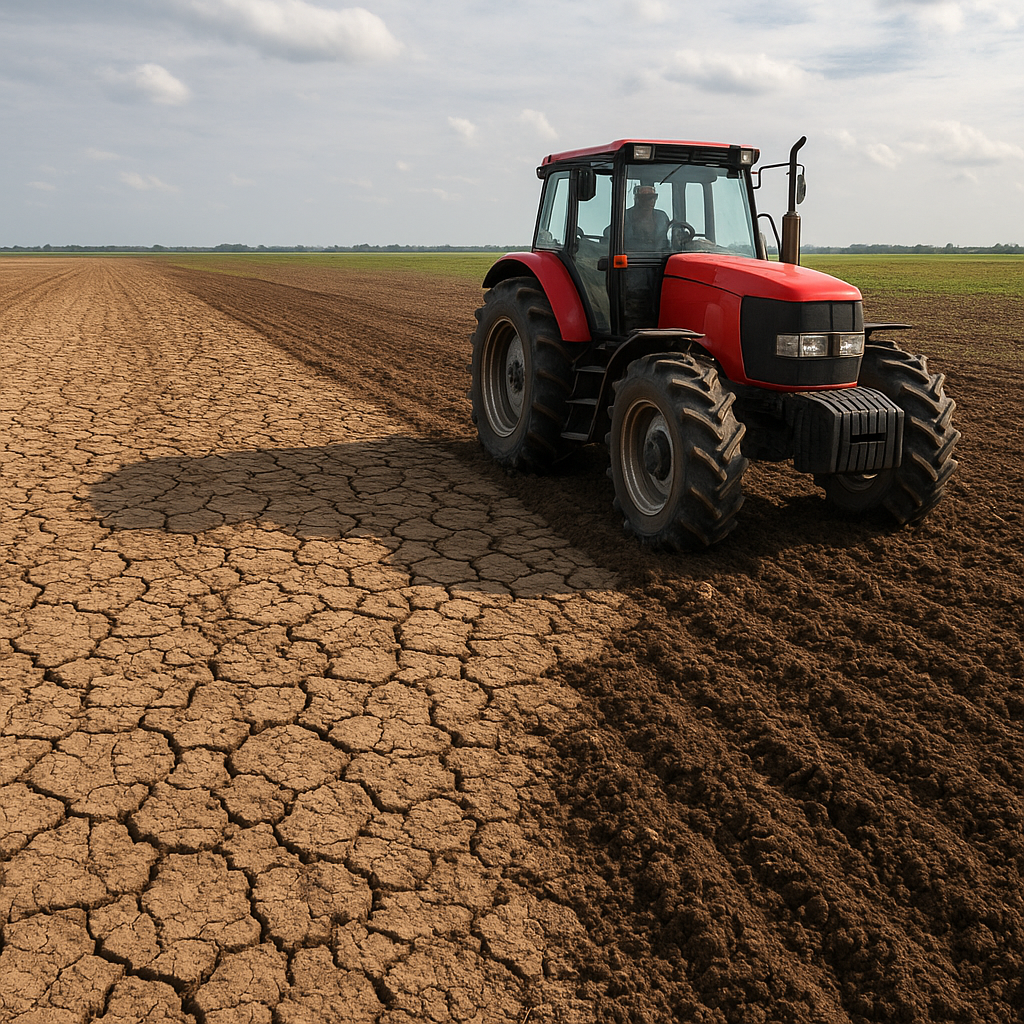
The relationship between soil type and tractor efficiency plays a pivotal role in modern agriculture. Variations in ground composition affect everything from traction and fuel consumption to overall productivity. By examining the interplay of soil characteristics, machine capabilities, and operational practices, farmers and engineers can optimize performance, reduce operating costs, and extend the lifespan of equipment.
Understanding Soil Composition and Characteristics
Different soils exhibit unique physical and chemical properties that influence how a tractor interacts with the ground. Key factors include texture, density, and moisture levels. Three primary soil categories dominate agricultural landscapes:
- Clay soils – Fine particles that hold water but may become sticky and heavy when wet, leading to increased soil compaction.
- Sandy soils – Coarse grains that drain quickly yet offer less natural binding, often reducing traction and requiring higher tire pressures.
- Loamy soils – Balanced mixtures of sand, silt, and clay prized for stability, adequate drainage, and high crop yield potential.
Texture influences how a tractor’s tires or tracks bite into the ground. In wet clay, slippage rises; in loose sand, chassis jostle under load. Additionally, organic matter content governs nutrient supply, but also affects how easily soil shifts and compacts under pressure. High organic soils can cushion heavy loads, lowering the risk of deep ruts and minimizing fuel wastage.
Impact on Traction, Power, and Fuel Consumption
Maximizing horsepower utilization hinges on matching implement design, tire adjustment, and speed to the underlying soil. Key considerations include:
- Optimal tire inflation – Under-inflated tires spread load but may overheat; over-inflated tires reduce the contact patch, slippage rises, and fuel use increases.
- Appropriate ballast distribution – Balancing front and rear weights prevents front wheel slip or rear wheel spin, ensuring consistent torque transfer.
- Tillage depth and angle – Shallow passes in compacted soils minimize drawbar pull, while deeper tillage in friable soils maximizes inversion efficiency without straining engines.
Laboratory tests reveal that a 5% increase in slippage can lead to nearly 10% more fuel consumption. In clay fields after rain, tractors may lose up to one-third of available tractive effort to slippage alone. Such inefficiencies escalate engine load cycles, accelerating wear and tear on components like transmissions, differentials, and hydraulic pumps.
Soil Moisture and Seasonal Variations
Moisture content directly affects soil cohesiveness. In dry seasons, dusty, loose topsoil reduces grip, forcing operators to lower speeds or downshift to maintain forward momentum. Conversely, saturated conditions transform loose earth into a sticky matrix, increasing rolling resistance. Critical thresholds exist:
- Below 12% moisture – Soils become hard, crack-prone, and resist penetration, demanding more drawbar effort from tractors during plowing or seeding.
- Between 12% and 25% – Ideal for most operations; compaction risk lowers, and implements glide with minimal resistance.
- Above 25% – Water-logged soils impede airflow to root zones and demand excessive engine torque, often overwhelming traction control systems.
Implementing moisture sensors and precision-monitoring tools allows real-time adjustments to tire pressure, implement depth, and speed. By avoiding operations outside optimal moisture ranges, producers safeguard soil structure and maintain high levels of efficiency.
Advanced Practices to Enhance Tractor Performance
Adopting modern technologies and best practices can significantly elevate machine output and reduce downtime. Some leading approaches include:
- GPS-guided auto-steer systems – Ensure consistent passes, reducing overlap and soil disturbance, thus lowering fuel use by up to 15%.
- Variable rate tillage – Tailors tillage intensity to zone-specific soil conditions, saving horsepower and reducing long-term soil compaction.
- Track conversion kits – Distribute weight across a broader surface, slashing ground pressure by up to 50% and boosting traction in soft soils.
- Adjuvant use – Soil conditioners and wetting agents help maintain uniform moisture profiles, allowing implements to cut more cleanly through challenging subsoils.
Combining precision farming with regular maintenance—such as timely lubrication, filter replacements, and hydraulic inspections—ensures that tractors remain at peak productivity. Decisions on gear selection, throttle settings, and implement attachment can be optimized through data analytics, reducing guesswork and enhancing operational consistency.
Economic and Environmental Considerations
Efficient soil-tractor synergy not only lowers operational costs but also aligns with sustainable agriculture goals. Reduced fuel consumption translates into lower emissions, while minimal compaction preserves soil structure and promotes healthy root growth. Key benefits include:
- Extended equipment life – Less strain on engines and drivetrains reduces repair expenses.
- Improved yields – Soils that remain loose and well-aerated support deeper rooting and better nutrient uptake.
- Carbon footprint reduction – Lower diesel usage directly correlates to fewer greenhouse gas emissions.
By conducting regular soil surveys and calibrating tractor settings accordingly, farmers can strike a balance between maximum output and ecological stewardship. Investing in training, digital tools, and adaptive machinery fosters resilient operations that thrive under diverse environmental conditions.