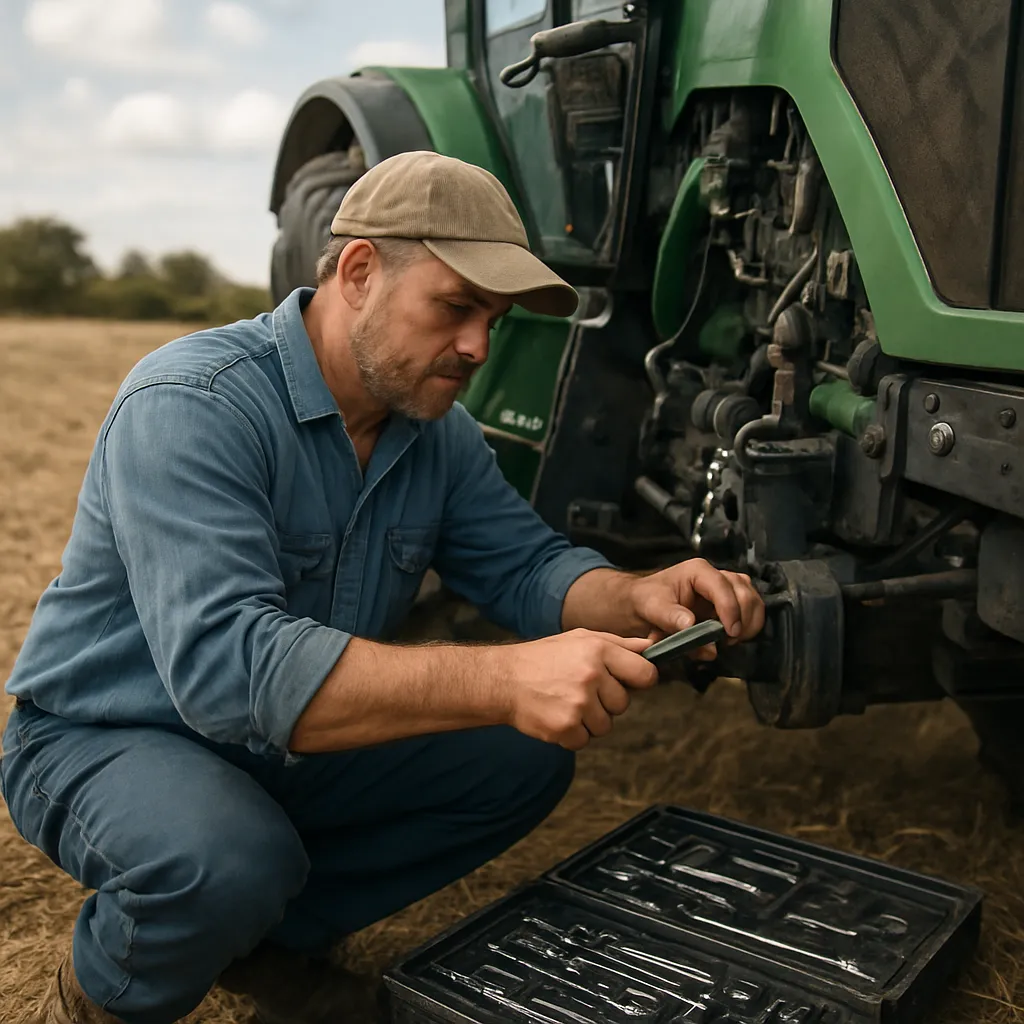
Agricultural machines work hard every day in dust, mud, heat and cold. Without regular care they become unreliable, unsafe and expensive to run. Basic maintenance is not complicated, but it must be systematic and consistent. By learning a few core routines and building a simple checklist, farmers can prevent most breakdowns, extend equipment life and protect their investment. For more detailed machine maintenance tips you can explore practical guides, but this article focuses on essential, everyday actions you can take in your own workshop. From lubrication and cleaning to simple troubleshooting and seasonal storage, a clear maintenance plan helps keep tractors, implements and harvesting machines ready for work when time matters most.
Why regular maintenance matters
Every piece of agricultural equipment is exposed to abrasive dust, vibration, moisture and heavy loads. These conditions accelerate wear on moving parts, electrical systems and structural components. Skipping regular checks may seem to save time, but it usually leads to longer and more expensive repairs later.
Consistent maintenance delivers several key benefits:
- Reliability: Well-maintained machines start when needed and finish work on time.
- Lower operating costs: Early detection of wear prevents major failures and reduces downtime.
- Operator safety: Good brakes, steering, lights and guards protect people around the machine.
- Fuel efficiency: Clean filters, correct tire pressure and tuned engines reduce fuel use.
- Higher resale value: A documented maintenance history increases equipment market value.
Thinking of maintenance as an investment rather than a cost is one of the most important mindset shifts for every farm business.
Understanding your maintenance schedule
Each machine has a recommended service schedule divided into intervals such as daily, 50 hours, 250 hours or annually. These intervals are usually based on engine operating hours recorded on an hour meter. When the meter is broken or unclear, time-based intervals (for example weekly or monthly) can be used.
Main interval types include:
- Pre-start or daily checks
- 10–50 hour checks (depending on machine type)
- 100–250 hour services
- Annual or seasonal maintenance
Keep a simple maintenance log where you write the date, machine hours, actions completed and any problems noticed. This record helps plan future work and protect warranty claims. Many farms now use a wall calendar, a notebook in the cab, or a simple spreadsheet to track this information.
Tools and basic workshop setup
You do not need an advanced workshop to perform basic maintenance. However, a few essential tools and a safe working area are necessary.
Useful hand tools include:
- Combination wrenches and socket sets in both metric and imperial sizes
- Screwdrivers, pliers, locking pliers and adjustable wrenches
- Grease gun for lubricating joints and bearings
- Oil filter wrench and funnels
- Hammer and soft mallet
- Measuring tape and tire pressure gauge
Support and safety equipment:
- Hydraulic jack with enough capacity for the heaviest machine you service
- Quality jack stands to never rely on the jack alone
- Wheel chocks to prevent rolling
- Fire extinguisher rated for fuel and electrical fires
Also store consumables such as engine oil, hydraulic oil, grease cartridges, filters, rags, cleaning brushes and replacement fuses. Keeping parts organized in labeled drawers or boxes reduces time spent searching for items.
Daily and pre-operation checks
Short, regular checks before starting work are the most effective way to prevent breakdowns in the field. These inspections can usually be completed in a few minutes.
Key daily steps:
- Walk around the machine and visually inspect for leaks, loose parts or damage.
- Check engine oil level with the dipstick and top up if necessary.
- Inspect coolant level in the reservoir when the engine is cold.
- Look at hydraulic oil level in the sight glass or dipstick.
- Check fuel level and refill early to avoid running out during heavy work.
- Examine tires for cuts, punctures or low pressure; check wheel nuts visually.
- Ensure all guards and safety shields are in place.
In the cab, test lights, horn, warning indicators and the parking brake. Start the engine and listen for abnormal noises such as knocking, squealing belts or rattling components. Unusual sounds are often early signs of problems.
Lubrication and greasing points
Proper lubrication is one of the most cost-effective maintenance tasks. Metal parts that move against each other need a thin film of grease or oil to reduce friction and heat. Without this protection, surfaces wear quickly, causing looseness, noise and eventual failure.
Common lubrication points include:
- Steering joints and linkages
- Front axle pivot points on tractors
- Three-point hitch pins and lift arms
- PTO shafts and universal joints
- Loader pins, bucket pivots and cylinders
- Chains and sprockets on harvesters and balers
Use the recommended grease type, usually a high-pressure multi-purpose grease, and apply it until fresh grease appears at the joint seals. Wipe off excess to avoid attracting dust. Mark greasing intervals in your maintenance log so no points are missed.
Engine care: oil, filters and cooling
The engine is the heart of any machine. Regular oil and filter changes are critical to protect internal components such as pistons, bearings and camshafts.
Basic engine tasks:
- Change engine oil and filter following the hour-based schedule.
- Always use oil with the viscosity and specification recommended by the manufacturer.
- Warm the engine before draining oil for better flow and removal of contaminants.
- Replace the drain plug washer if damaged, and never overtighten the plug.
Air filters need special attention in dusty field conditions. Check the outer filter element regularly and clean it by gently tapping or using low-pressure air from inside to outside. Replace filters when damaged, heavily soiled or at the recommended interval. Never run an engine without a proper air filter, even for a short time.
The cooling system prevents overheating, which can cause severe engine damage. Inspect the radiator and clean debris from fins with compressed air or low-pressure water. Check all hoses for cracks, swelling or leaks and ensure hose clamps are tight. Use the correct coolant mixture, not plain water, to protect against corrosion and freezing.
Fuel system and filters
Contaminated fuel is a common cause of engine problems. Water and dirt can damage injectors, cause poor performance and increase fuel consumption.
Preventive steps for the fuel system:
- Refuel from clean storage tanks and avoid drawing from the bottom where sediment accumulates.
- Drain water from fuel filter bowls or separators regularly, especially in cold or humid conditions.
- Replace fuel filters at the specified interval or when power loss and rough running appear.
- Keep fuel caps and filler necks clean to prevent dirt from entering the tank.
When changing fuel filters, always pre-fill them with clean fuel if recommended by the manufacturer, and bleed air from the system using the manual pump or bleeding screws. Air trapped in the lines can prevent starting.
Hydraulic system basics
The hydraulic system powers implements, steering and loaders. Leaks or contamination can quickly reduce performance and damage pumps and valves.
Key hydraulic checks:
- Monitor fluid level regularly and top up with the correct oil type.
- Inspect hoses and fittings for cracks, rub marks or wet spots indicating leaks.
- Replace hoses that show bulging, deep cracks or exposed reinforcement.
- Keep couplers clean and covered when not in use to avoid dirt entering the system.
Never check for leaks with your hand on a pressurized hydraulic line; high-pressure oil can penetrate skin and cause serious injury. Use cardboard or a piece of wood to detect fine spray leaks safely.
Tires, tracks and undercarriage
Tires and tracks transfer power to the ground and carry heavy loads. Neglecting them leads to poor traction, increased fuel use and unsafe handling.
Basic tire maintenance:
- Measure pressure regularly and adjust according to load and field conditions.
- Look for cuts, bulges, exposed cords and embedded objects.
- Check rim condition and make sure valve stems are protected and not leaking.
- Retighten wheel nuts according to the specified torque, especially after wheel changes.
For tracked machines, inspect track tension, drive sprockets, rollers and idlers. Remove stones and debris lodged between track components. Proper track tension avoids premature wear and reduces strain on the undercarriage.
Belts, chains and drive components
Many agricultural implements use belts and chains to transfer power. A single broken belt during harvest can stop the entire operation.
Recommended checks:
- Inspect belts for cracks, glazing and missing chunks; replace them in sets when possible.
- Check belt tension and alignment with pulleys to prevent slippage and overheating.
- Lubricate chains regularly with suitable oil and adjust tension to manufacturer guidelines.
- Examine sprockets for hooked or sharp teeth that indicate wear.
Always stop the engine and remove the key before reaching near moving drives. Wait until all parts stop spinning completely.
Electrical system and lighting
Modern machines rely heavily on electrical systems for starting, control and safety. Corroded connections and weak batteries are common issues.
Battery care steps:
- Keep battery terminals clean and tight; remove corrosion with a wire brush and baking soda solution.
- Secure the battery firmly to prevent vibration damage.
- Check electrolyte levels in serviceable batteries and top up with distilled water only.
- Store batteries fully charged during long idle periods and recharge them periodically.
Inspect fuses, relays and wiring harnesses. Look for damaged or rubbed insulation, especially where wires pass through metal openings. Confirm all working lights, indicators and reflectors are clean and functioning to maintain visibility on public roads and in low light conditions.
Safety systems and operator protection
Safety devices often seem inconvenient, but they prevent serious accidents. Never bypass them.
Important safety elements include:
- Rollover protective structures and seat belts on tractors.
- PTO shields and shaft guards to prevent entanglement.
- Emergency stop switches and interlocks on large machines.
- Steps, handholds and platforms kept clean to reduce slipping.
Keep warning labels visible and replace them if they become unreadable. During each maintenance session, think not only about machine performance but also about how safely it can be operated.
Seasonal storage and preparation
At the end of a working season, many machines are parked for months. Proper storage prevents rust, rodent damage and starting problems when the next season begins.
End-of-season tasks:
- Wash the machine thoroughly and allow it to dry completely.
- Repair any known issues instead of leaving them for next year.
- Change engine oil and filters so old, contaminated oil does not sit inside the engine.
- Grease all points to push out moisture and protect surfaces.
- Fill the fuel tank and add stabilizer if recommended to reduce condensation.
- Disconnect or remove the battery and store it in a dry, cool place.
Before the next season, perform a more detailed inspection, test all functions and perform a short trial run to confirm everything operates correctly.
Simple troubleshooting approach
When a problem appears, start with the most basic checks before assuming a complex failure. Many issues relate to fuel supply, air intake, electrical power or operator settings.
Structured steps:
- Confirm there is enough fuel and that shutoff valves are open.
- Check battery charge, cables and main fuses.
- Inspect filters for blockage and replace if in doubt.
- Listen and look for obvious mechanical damage or leaks.
If you cannot identify the fault quickly, stop and consult the manual or a professional mechanic. Continuing to operate a machine with unknown problems often increases the final repair cost.
Building a farm maintenance culture
Good maintenance is not only about procedures; it is also about habits. Involve all operators in daily checks, and explain why each action matters. Encourage them to report strange noises, warning lights or leaks immediately, instead of ignoring them.
Create simple checklists for key machines and post them in the workshop or in the cab. Schedule regular maintenance days during quieter periods and keep spare parts for the most critical equipment. Over time, this systematic approach results in fewer emergencies, more predictable costs and a longer, more productive life for every machine on the farm.