Tractors are the cornerstone of modern agriculture, powering tasks from plowing to hauling. Accurately assessing fuel consumption is essential for optimizing costs, reducing environmental impact, and improving overall efficiency. This guide provides practical methods to calculate tractor fuel use, highlights critical factors, and offers actionable tips to enhance performance in the field.
Understanding basic principles of fuel consumption
Estimating fuel consumption begins with recognizing the relationship between engine power output and the volume of diesel or gasoline burned. Every tractor model has a specific rate at which it consumes fuel under given conditions. Manufacturers often provide baseline figures, but real-world variables can cause significant deviations.
Engine load and workload directly influence the amount of fuel required. When a tractor operates near its maximum rated capacity, the engine works harder, drawing more fuel per hour. Conversely, light tasks or idling yield lower consumption rates. By grasping these core principles, operators lay the groundwork for accurate measurements.
Key factors affecting fuel use
Multiple elements interplay to determine actual fuel consumption. Understanding each variable helps in refining calculations and identifying opportunities for improvement.
- Engine efficiency: Well-maintained engines with proper lubrication and tune-ups run cleaner and consume less fuel.
- Implement type: Plows, mowers, balers, and loaders each impose different resistance levels, altering consumption rates.
- Terrain and soil conditions: Steep slopes or heavy, wet soils require more power, increasing fuel burn.
- Operating speed: Higher speeds can improve productivity but may lead to disproportionate fuel use if beyond the engine’s optimal range.
- Tire pressure: Underinflated tires raise rolling resistance, while overinflation reduces traction, both impacting fuel economy.
- Weather conditions: Cold starts and dense air can make engines less efficient until they reach operating temperature.
- Fuel quality: Contaminated or low-grade fuel can impair combustion, leading to higher consumption and possible damage.
- Hydraulic systems: Excessive hydraulic draws for attachments like loaders or harvesters increase load on the engine.
Influence of maintenance on consumption
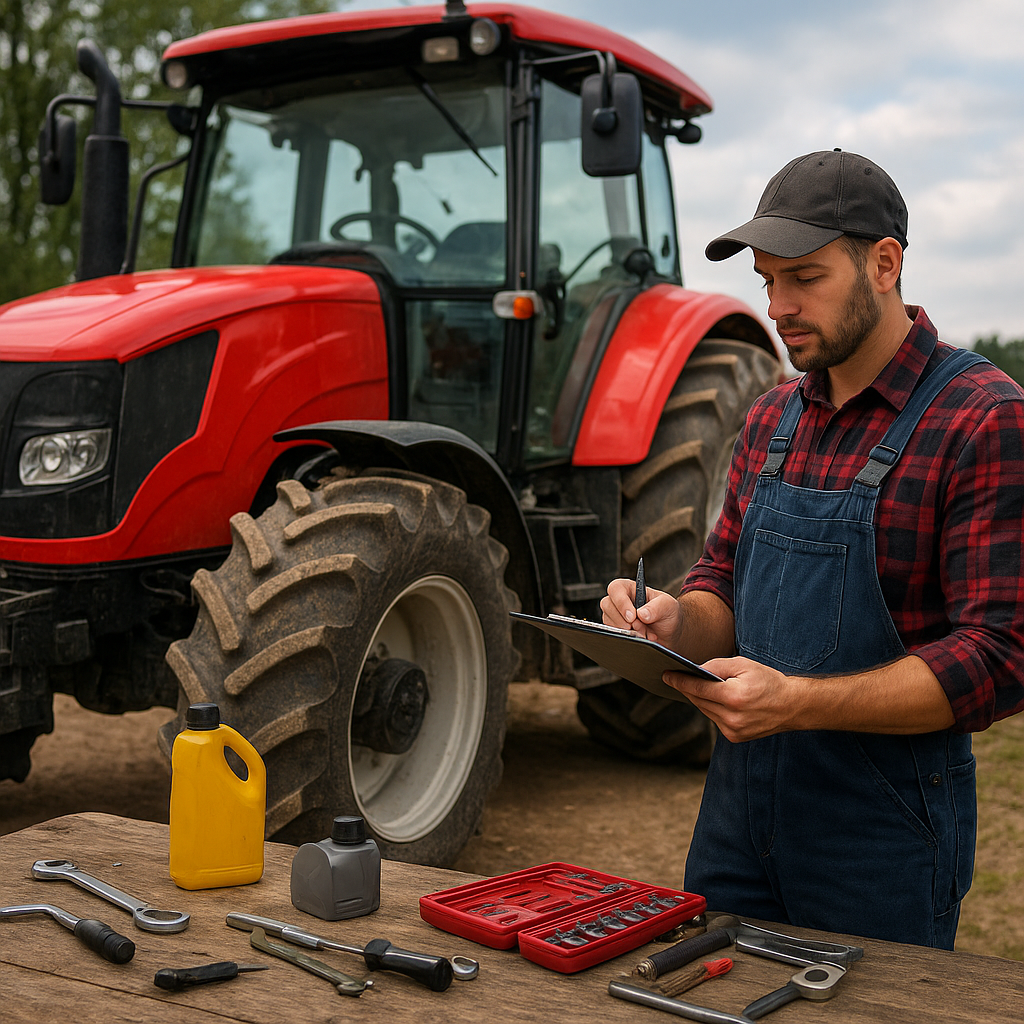
Regular maintenance ensures components such as fuel injectors, air filters, and spark plugs (in gasoline tractors) function optimally. Clogged injectors spray uneven fuel, while dirty air filters disrupt the air–fuel ratio, both driving consumption up. Scheduled inspections and replacements preserve peak performance.
Role of data collection and data logging
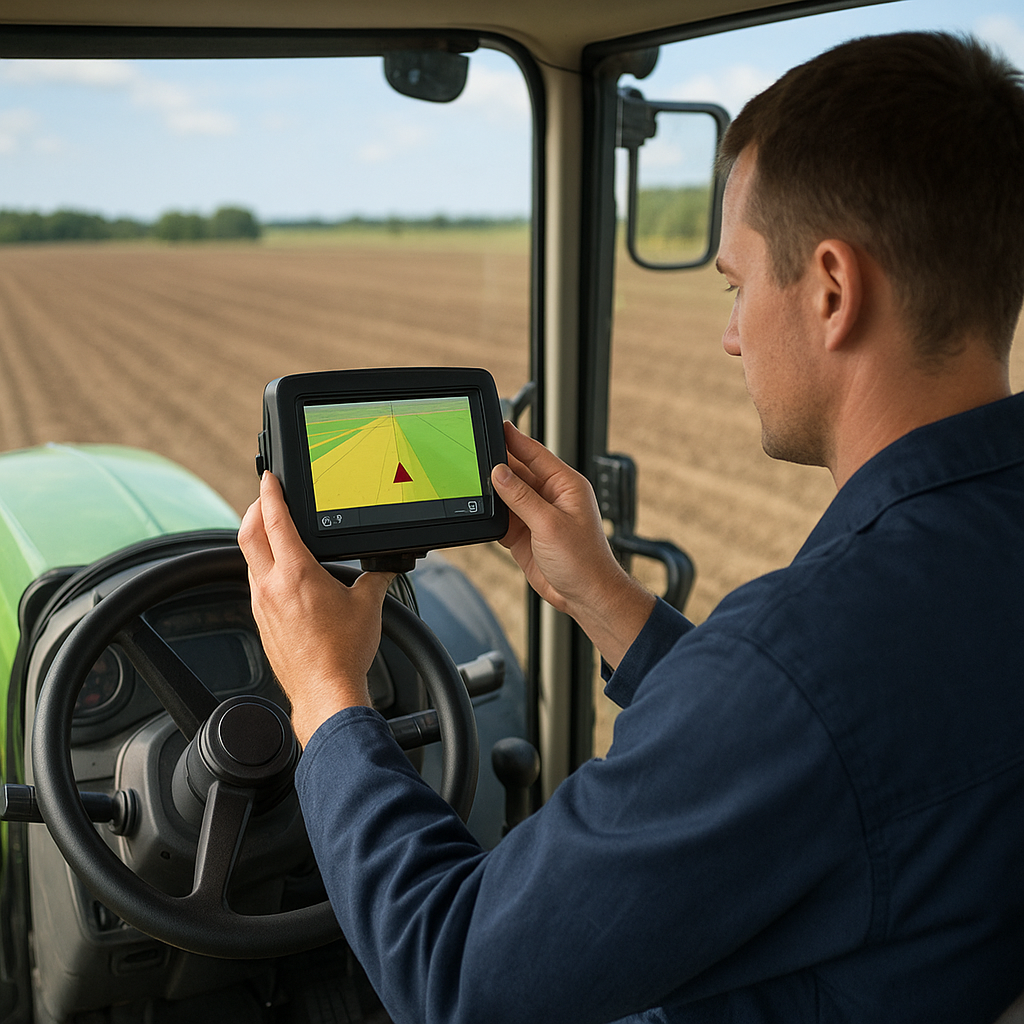
Advanced tractors are equipped with electronic control units (ECUs) that record fuel flow, engine RPM, and load percentages. Using onboard telematics or aftermarket data logging devices, operators can amass precise consumption data over multiple tasks. This empirical approach reveals patterns, enabling targeted adjustments.
Step-by-step method for calculating consumption
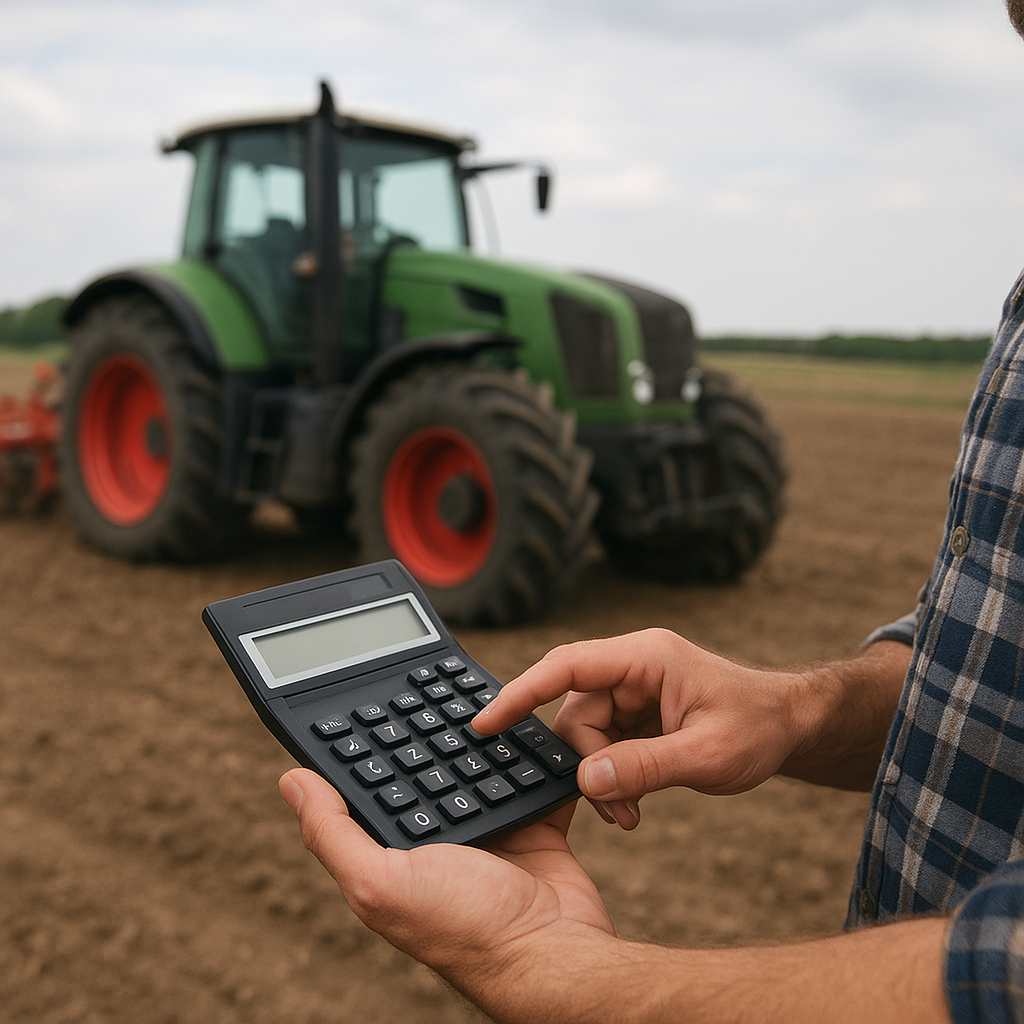
Accurate calculation blends simple observations with measured values. Follow these steps to determine the rate at which your tractor uses fuel:
- Fill the fuel tank to a known level, noting the volume in liters or gallons.
- Operate the tractor for a predetermined period under typical working conditions (e.g., one hour of plowing).
- Refill the tank to the original level and record the added volume; this difference equals the total fuel consumed.
- Divide the consumed volume by the operation time to derive an hourly consumption rate (L/h or gal/h).
- To express consumption per hectare or acre, divide total fuel used by the area covered during the test run.
This basic approach provides a practical formula:
Fuel Consumption Rate = Fuel Used (L) ÷ Operating Time (h)
Alternatively:
Fuel Use per Area = Fuel Used (L) ÷ Area Covered (ha or acre)
Advanced calculation using variables
For complex operations involving variable loads or speeds, integrate the following variables into your analysis:
- Load factor (percentage of maximum drawbar pull)
- Speed factor (average working speed relative to rated speed)
- Idle time ratio (percentage of idle time vs. active work)
By weighting these factors, you can refine hourly consumption predictions:
Adjusted Consumption = Baseline Rate × (Load Factor × Speed Factor + Idle Time Ratio)
This model helps in budgeting fuel for multi-task days with varied demands.
Practical tips to optimize fuel efficiency
Once you know your tractor’s baseline fuel consumption, apply these techniques to reduce costs and environmental footprint:
- Plan routes and tasks to minimize unnecessary idling and travel between fields.
- Match tractor size and horsepower to implement requirements; avoid oversized equipment that burns excess fuel.
- Adjust tire pressure based on field conditions to optimize traction and reduce slippage.
- Use the correct gear and maintain a steady, moderate speed that aligns with optimal engine RPM.
- Engage implements only when necessary and disengage power take‐off (PTO) when idle.
- Perform pre‐season tune-ups, focusing on calibration of fuel injection systems and cleaning of air pathways.
- Utilize precision agriculture tools for variable rate application, reducing overload on the engine.
- Monitor real-time fuel data via telematics to identify inefficiencies as they occur.
- Consider alternative engines or biofuels where available, ensuring compatibility and warranty compliance.
By systematically measuring and adjusting for the critical variables, operators can achieve significant savings and prolong the lifespan of their equipment. Rigorous attention to both calculation and maintenance practices ensures your tractor operates at peak efficiency, delivering reliable performance and predictable operating costs throughout the season.