Operating a tractor safely around livestock demands a careful blend of technical knowledge, animal behavior awareness, and strict adherence to safety protocols. This article examines practical guidelines for farmers and operators to maintain both human and animal welfare while maximizing productivity. From pre-operation checks to real-time animal interactions, each section highlights actionable steps designed to reduce risks and foster a **harmonious** working environment.
Risk Assessment Before Operation
Before you start the engine, perform a comprehensive risk assessment of the working area. Livestock environments can present unique hazards, including uneven ground, hidden obstacles, and unpredictable animal movements. Begin by mapping out potential trouble spots:
- Identify low-visibility zones where animals may be hidden behind structures or vegetation. Ensure no livestock is in proximity to the tractor’s path by checking with a spotter if possible.
- Check the terrain for wet patches, deep ruts, or rocky surfaces that may compromise stability and traction. **Stability** is crucial to prevent rollovers, especially when the tractor is loaded or working on slopes.
- Scan for electric fences or loose wires that could entangle a rotating shaft or damage hydraulics.
By documenting these observations, you can develop a site-specific safety plan that outlines safe routes and designated areas for livestock during tractor operation. This proactive approach reduces the chance of unexpected incidents.
Pre-Operation Inspection and Maintenance
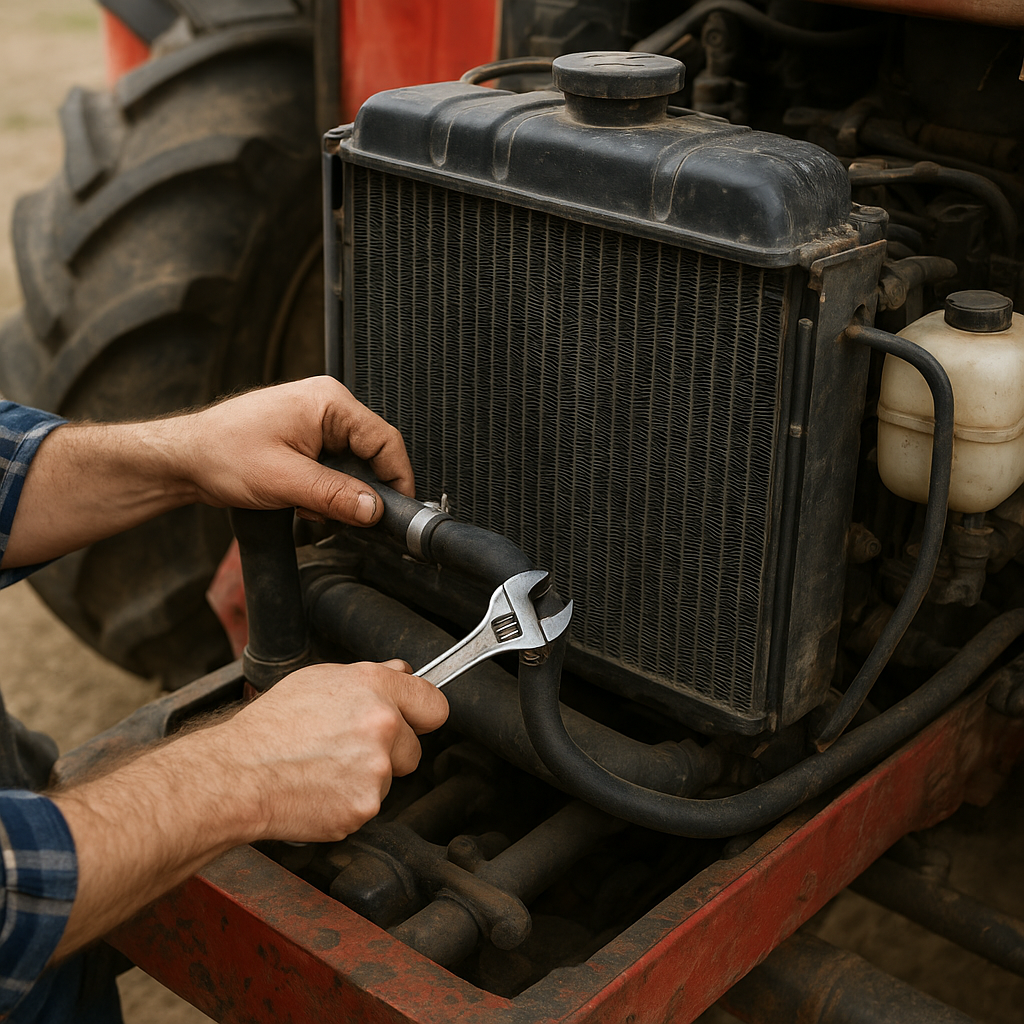
Routine inspection and maintenance form the backbone of safe tractor usage. A well-maintained machine not only performs efficiently but also minimizes the risk of mechanical failure that could endanger both operators and livestock.
- Check fluid levels: engine oil, coolant, transmission fluid, and hydraulic fluid. Proper fluid levels ensure smooth operation of the **hydraulics** and prevent overheating.
- Inspect tires for adequate tread and correct pressure. Underinflated or worn tires reduce traction and can lead to slippage near animals.
- Examine the power take-off (PTO) and rotating parts for guards and shields to avoid accidental contact with loose clothing or animal hair.
- Test lights, mirrors, and warning signals to guarantee full **visibility** during dawn, dusk, or inclement weather conditions.
Keeping an up-to-date maintenance log helps track repairs and servicing intervals, ensuring no critical checks are overlooked. If you detect a significant issue, remove the tractor from service until a certified technician can address the problem.
Safe Tractor Operation Techniques
Mastering safe driving practices is essential for protecting livestock from harm. Follow these guidelines to optimize control and reduce disturbances to your animals:
- Engage low gears when starting or stopping on slopes. Avoid abrupt acceleration or braking that can startle nearby livestock.
- Maintain a constant, moderate speed in areas with animals. Sudden speed changes can cause panic among herds, increasing the risk of stampedes or collisions.
- Use the tractor’s four-wheel drive feature selectively. While four-wheel drive enhances traction, it may reduce turning agility, so apply it only when necessary on slippery surfaces.
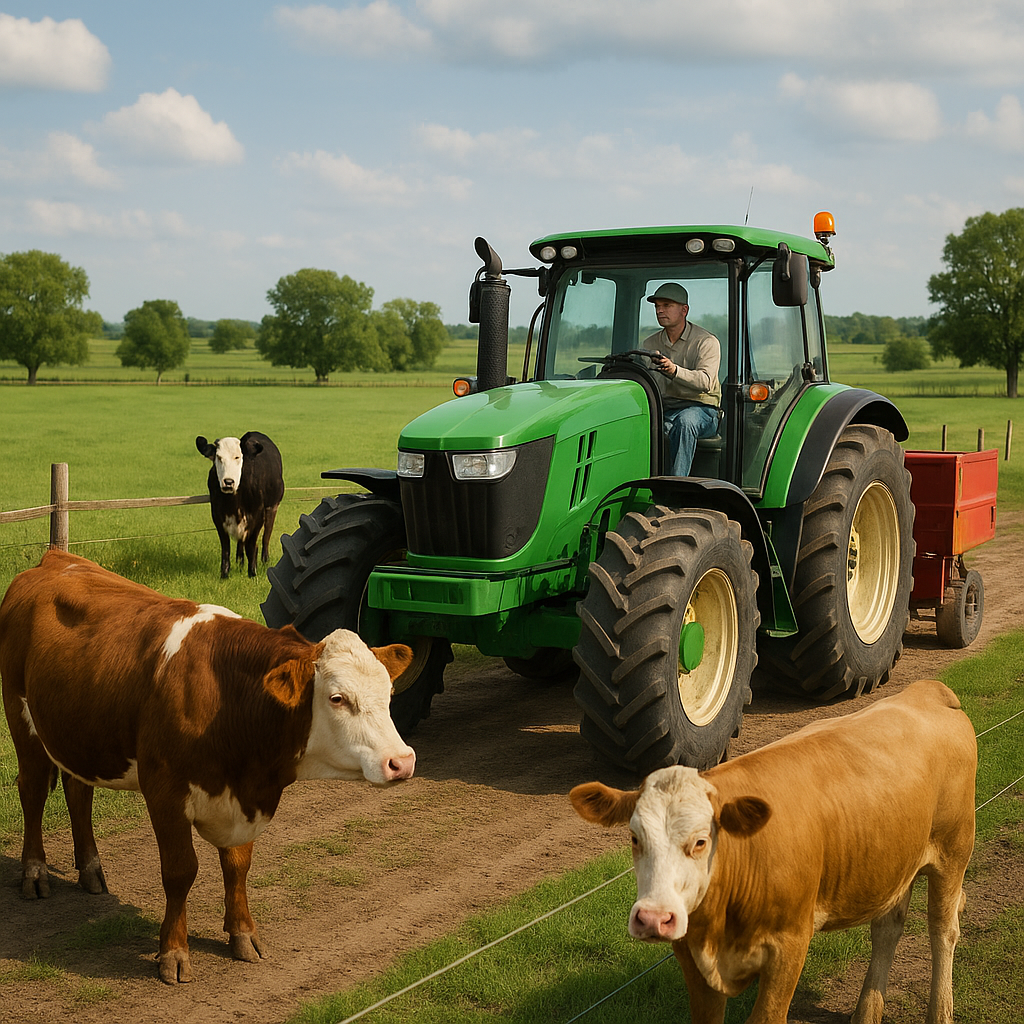
- Approach pens and enclosures slowly, keeping a safe distance to prevent animals from getting too close to the machine. A recommended buffer zone is at least 15 feet to allow animals time to react.
Effective use of the tractor’s attachments, such as front loaders or rear-mounted bale spikes, demands additional caution. Always lower implements to the ground before dismounting and ensure a stable base. When transporting **bales**, secure them firmly and verify they do not obscure your **visibility**.
Managing Livestock Interaction
Understanding animal behavior is critical when operating heavy machinery near livestock. Stress, fear, and curiosity can trigger unpredictable reactions. Implement these strategies to maintain calm and control:
- Establish clear communication signals with your assistants using hand signals, two-way radios, or horns. Consistent **communication** helps coordinate movements and prevents misunderstandings.
- When herding animals, use the tractor’s noise and movement sparingly. Rely on natural herding instincts by guiding rather than chasing livestock.
- Maintain a safe **proximity** to animals—too close can threaten their safety, too far may reduce your control over their movement. Aim for a distance that allows you to intervene quickly if necessary, but not so close that animals feel trapped.
- Introduce young or new livestock to tractors gradually. Allow them to observe the machine from a secure distance before using it in their presence.
By fostering trust and minimizing stress, you’ll create a more cooperative environment. Animals that associate tractors with negative experiences may become flighty or aggressive, increasing potential hazards for everyone.
Emergency Preparedness and Response
No matter how thorough your precautions, emergencies can still happen. Preparing for worst-case scenarios ensures you can react swiftly and effectively:
- Keep a detailed first-aid kit for both humans and livestock readily accessible. Include items like bandages, antiseptics, and remedies for shock or injuries.
- Develop an evacuation plan for severe weather or structural collapse. Designate safe zones away from equipment and heavy shelters.
- Train all farm personnel on tractor shutdown procedures and emergency kill switches. Everyone should know how to disable the engine quickly to avoid dragging or entanglement accidents.
- Practice emergency scenarios with your team to identify weaknesses in your response plan. Regular drills build confidence and reveal areas needing improvement.
Swift and coordinated responses can significantly reduce the impact of incidents. An informed team is your best asset in critical moments.
Enhancing Safety Through Technology
Advances in agricultural technology offer new tools for maintaining safe operations around livestock. Consider integrating these systems into your workflow:
- GPS-based auto-steering systems allow for precise control, minimizing human error and avoiding unnecessary close passes near animal groups.
- Proximity sensors and camera systems provide real-time alerts when livestock or obstacles enter the tractor’s blind spots.
- Telematics platforms track tractor performance metrics and alert you to maintenance needs before failures occur.
- Wireless communication networks facilitate immediate updates between multiple operators across the farm, ensuring synchronized efforts.
While technology can enhance safety, it supplements rather than replaces sound operating practices. Always remain vigilant and ready to intervene manually if automated systems fail.
Conclusion
Implementing these safety measures creates a more secure environment for both livestock and operators. Consistent maintenance, thorough risk assessments, and clear communication practices are the cornerstones of safe tractor operation around animals. By combining practical techniques with technological aids, you can achieve a high level of **efficiency** without compromising welfare. Continual training and regular reviews of your protocols will ensure your farm remains a place where productivity and safety go hand in hand.