Compact tractors have revolutionized the world of landscaping by offering a perfect balance between power and agility. Whether you’re reshaping garden beds, clearing overgrown terrain, or transporting heavy materials, choosing the right model can make all the difference. This article explores essential factors in selecting a compact tractor, highlights top-performing machines, and provides practical advice on maximizing productivity and longevity.
Selecting the Right Compact Tractor
Before investing in a compact tractor, it’s crucial to consider the landscape tasks you plan to tackle. From mowing large lawns to hauling stone and soil, your requirements will dictate the ideal specifications. Key factors include engine horsepower, lifting capacity, and overall versatility. Below are primary considerations to guide your decision.
Engine Power and Horsepower
Engine size largely determines what a tractor can handle. Models range from 20 to 60 HP, with each bracket serving distinct applications:
- 20–30 HP: Suitable for basic lawn care, light grading, and small-property work.
- 30–45 HP: Ideal for mid-size estates, larger mowing decks, and heavier attachments.
- 45+ HP: Designed for professional landscapers, robust material handling, and repeat heavy-duty assignments.
Opting for adequate horsepower prevents strain during demanding jobs and extends engine life, contributing to lasting reliability.
Size, Weight, and Maneuverability
Compact tractors earn their name by fitting into tighter spaces while delivering ample power. Dimensions and turning radius are vital when navigating narrow paths, garden gateways, or densely planted areas. Look for models with hydrostatic or synchronized transmissions to ensure smooth shifts and responsive maneuverability on varied terrain.
Hydraulics and Lifting Capacity
Effective use of front-end loaders, backhoes, and other implements depends on a tractor’s hydraulic flow and lift height. Verify the tractor’s poundage capacity at full lift and consider optional loader kits if you foresee frequent material moves. Strong hydraulic systems also enhance performance when operating attachments like mulchers or snowblowers.
Durability and Build Quality
Tractors face harsh environments, from muddy fields to rocky landscapes. A robust frame, reinforced loader arms, and high-tensile steel components speak to a machine’s durability. Premium brands often back their builds with extended warranties and dealer support, ensuring minimal downtime.
Top Models for Landscaping
Several manufacturers lead the pack when it comes to compact tractors tailored for landscaping. Below is an overview of standout models that combine performance, comfort, and long-term value.
Kubota BX Series
- Horsepower: 24–26 HP
- Loader Capacity: 820–1,200 lbs.
- Key Strengths: User-friendly controls, low maintenance, comfortable seating
The BX Series excels in tight workspaces and offers a diverse range of attachments, including rotary tillers, backhoes, and bale spears. Kubota’s solid reputation for reliability and dealer network support makes it a favorite among residential and commercial landscapers alike.
John Deere 1 Series
- Horsepower: 22–25 HP
- Loader Capacity: 825–1,100 lbs.
- Key Strengths: Intuitive digital controls, excellent ergonomics, fuel-efficient engines
John Deere’s 1 Series blends compact dimensions with powerful hydraulics. Its robust loader and precision steering shine when mowing large lawns or grading driveways. The available mid-mount mower decks enhance productivity, delivering crisp cuts and consistent performance.
New Holland Boomer Series
- Horsepower: 25–50 HP
- Loader Capacity: 1,200–2,500 lbs.
- Key Strengths: Smooth ride, wide array of implements, strong hydraulics
New Holland Boomer tractors are known for their plush suspension seats and hydrostatic transmission options. With higher-rated models reaching 50 HP, landscapers can handle heavier towing, grading scrapers, and brush hogs. The brand also offers a comprehensive line of attachments to suit every job.
Mahindra eMax Series
- Horsepower: 22–32 HP
- Loader Capacity: 1,100–1,650 lbs.
- Key Strengths: Competitive pricing, robust build, excellent torque
Mahindra’s eMax lineup delivers exceptional value without compromising on quality. Enhanced torque curves allow these tractors to pull heavier loads at lower RPMs, improving fuel consumption and overall efficiency. Dealers often include complimentary first services, reducing initial operating costs.
Maximizing Productivity with Attachments
One of the greatest advantages of compact tractors is their ability to adapt through a multitude of attachments. Proper selection and use of implements can transform a single tractor into a versatile, year-round workhorse.
Lawn and Land Care Implements
- Mid-Mount Mower Decks – provide clean, consistent cuts on grass and light brush.
- Aerators and Dethatchers – promote healthy turf by improving soil oxygenation.
- Flail Mowers – ideal for overgrown fields and brush clearing.
Ground Preparation and Grading
- Box Blades and Grading Scrapers – level driveways, pathways, and building sites.
- Rotary Tillers – break ground for gardens, flower beds, and seeding projects.
- Landscape Rakes – remove debris, spread gravel, or prepare seedbeds.
Material Handling and Earthmoving
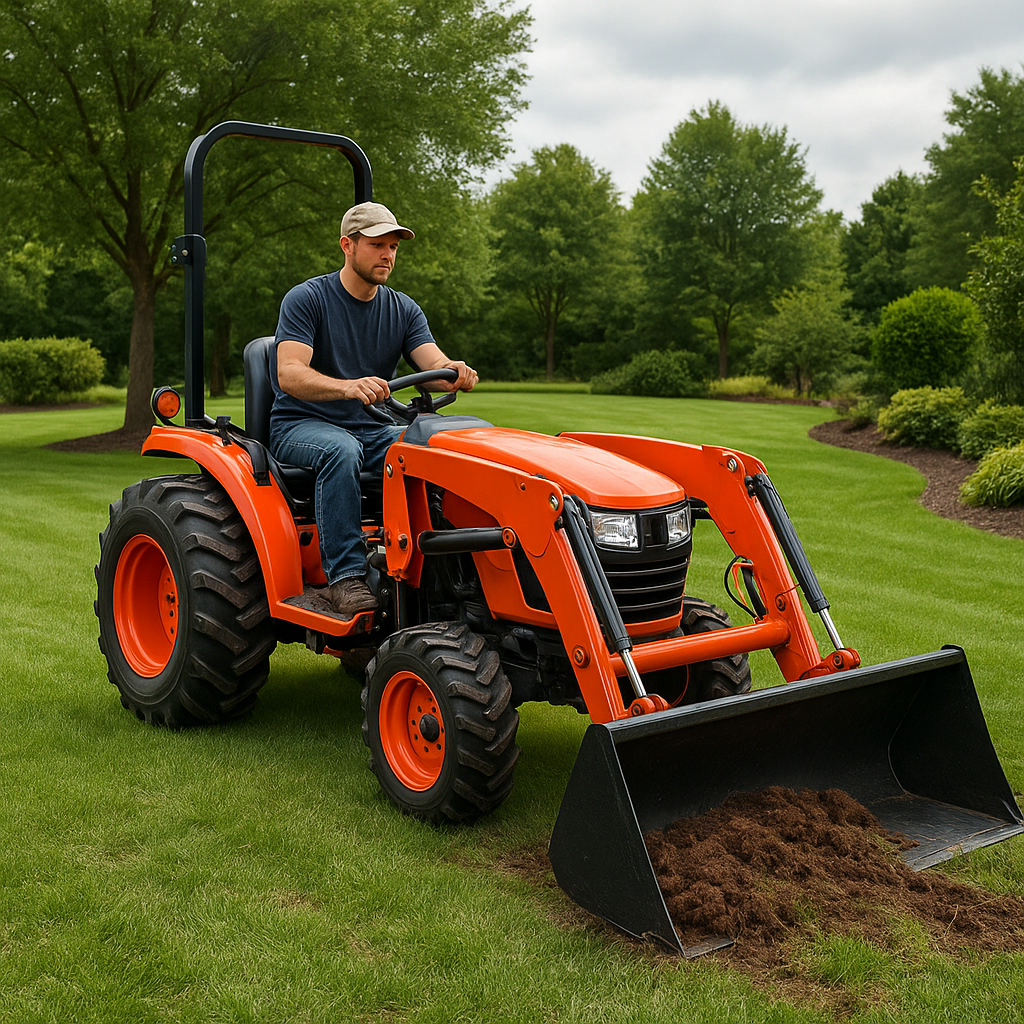
- Front-End Loaders – load, carry, and dump soil, gravel, firewood, and feed.
- Backhoes – excavate trenches for utilities, irrigation, or drainage systems.
- Pallet Forks and Bale Spears – handle pallets, logs, and hay bales with ease.
Maintenance and Long-Term Care
Consistent upkeep is the cornerstone of a tractor’s longevity. Simple, routine tasks preserve engine health, safeguard hydraulics, and uphold resale value. Implement the following maintenance practices to ensure uninterrupted performance:
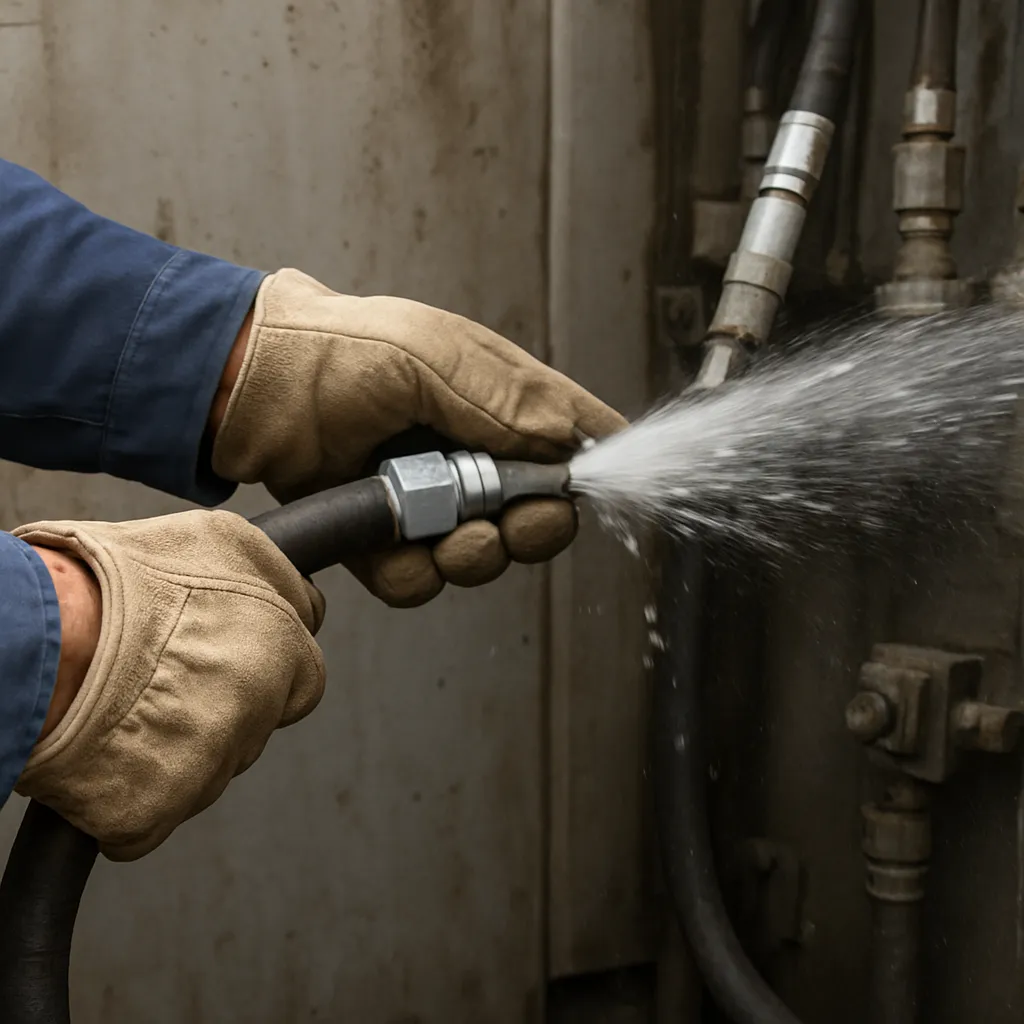
- Daily Visual Checks – inspect fluid levels, hydraulic lines, and tire pressure.
- Scheduled Oil and Filter Changes – adhere to manufacturer intervals for engine oil, hydraulic fluid, and fuel filters.
- Greasing Points – lubricate PTO shafts, loader pivots, and linkage joints to reduce wear.
- Radiator and Air Filter Cleaning – remove debris to maintain optimal cooling and air intake efficiency.
- Battery Inspection – clean terminals and ensure secure mounting to prevent starting issues.
- Seasonal Winterization – drain or treat fuel, inspect antifreeze, and store indoors if possible.
Financing and Total Cost of Ownership
Acquiring a compact tractor represents more than the sticker price; it’s a long-term investment with ongoing expenses. To make an informed purchase, factor in financing options, insurance, and expected operating costs.
Financing Plans and Lease Options
Many dealers partner with financial institutions to offer low-interest loans or seasonal deferred payments. Leasing can lower upfront costs but may include mileage or hour restrictions. Compare APRs, down-payment requirements, and term lengths to identify the solution that fits your budget.
Insurance and Extended Warranties
Comprehensive coverage protects against theft, collision, and property damage. Extended warranties or service plans can cover costly repairs beyond the factory period. Evaluate the deductibles and covered components to avoid surprise expenses.
Operating Expenses and Depreciation
Fuel, filters, tires, and parts contribute to annual operating costs. High-quality components may have a higher upfront price but often last longer, reducing replacement frequency. Additionally, machines with proven durability tend to retain greater resale value, offsetting depreciation over time.
Selecting the best compact tractor for landscaping involves careful evaluation of power, handling, and compatibility with specialized attachments. By prioritizing routine maintenance and understanding the full scope of ownership costs, you’ll ensure a sound investment that enhances productivity and maintains value for years to come.