Maintaining the health of a tractor’s battery is crucial for ensuring reliable performance in the field. A well-cared-for power source not only extends the life of the equipment but also minimizes downtime and costly repairs. By adopting routine checks and best practices, you can safeguard your tractor’s ability to start quickly and run smoothly under all conditions.
Proper Charging Practices
One of the most important aspects of battery care is ensuring correct charging methods. Incorrect charging can lead to reduced capacity, premature failure, or even hazardous conditions. Follow these guidelines to optimize charging:
- Use an Appropriate Charger: Select a charger designed for lead-acid or AGM tractor batteries. The right charger will deliver the proper voltage and current, preventing overcharging or undercharging.
- Monitor Charge Levels: Aim to keep the battery between 80% and 100% state of charge. Avoid letting it drop below 50% for extended periods, as deep discharge can damage internal plates.
- Charge at Correct Rates: Fast charging may be convenient, but it generates heat and can warp the plates. A slow, controlled rate (C/10 to C/20) is gentler and more effective at restoring full capacity.
- Temperature Compensation: Batteries in cold weather require a slightly higher voltage to reach full charge. Many modern chargers have temperature sensors to adjust the output automatically. In hot climates, reduce charging voltage to mitigate overcharging risks.
- Avoid Partial Charges: Repeatedly charging only a small portion of the battery’s capacity can lead to stratification, where acidic layers form. Complete charging cycles help homogenize the electrolyte and maintain performance.
Regular Inspection and Cleaning
Routine inspections help detect early signs of trouble before they escalate into major failures. Pay attention to key areas and perform basic upkeep at least once a month during active season.
Visual Examination
- Look for Cracks or Leaks: Examine the battery case for any deformities or fluid leaks. Damaged housing can allow electrolyte to escape, reducing efficiency and posing a safety hazard.
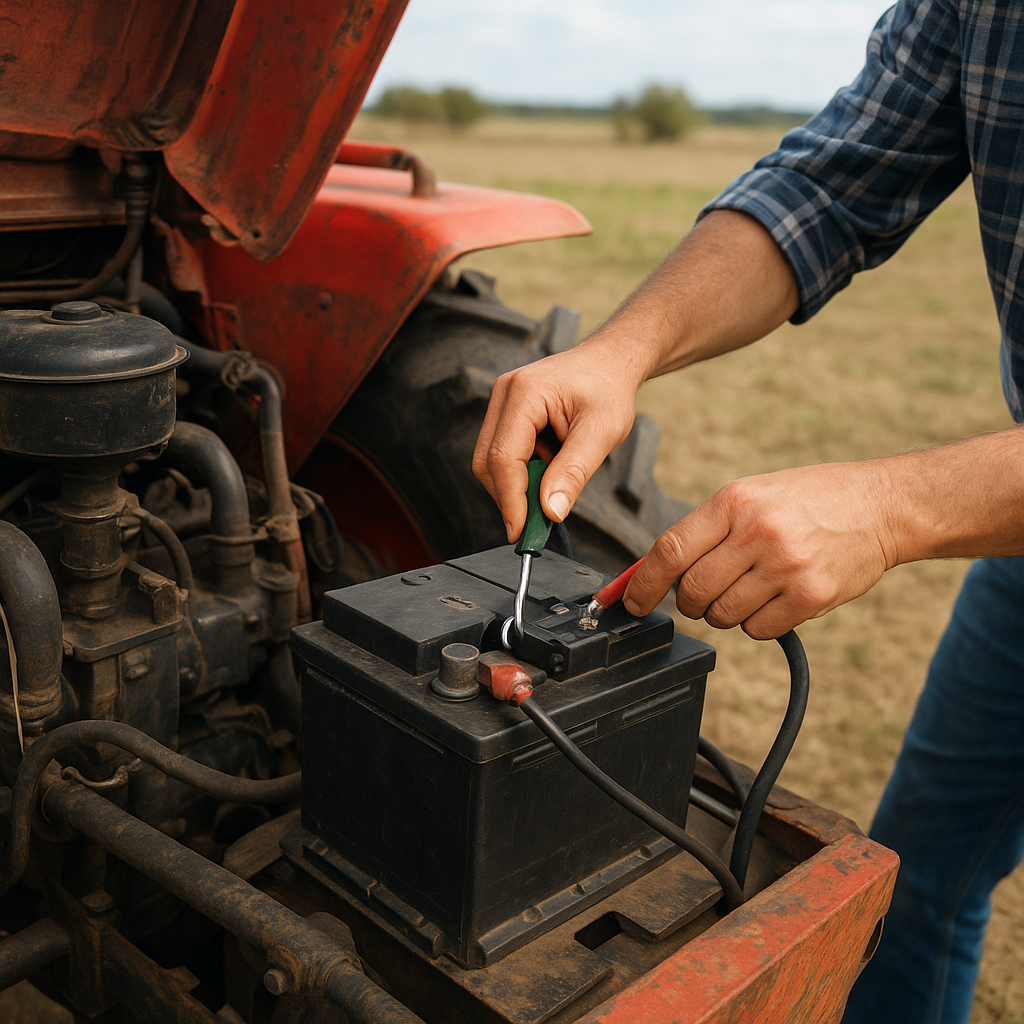
- Check Terminal Connections: Loose or corroded connections increase resistance, causing poor starting performance. Tighten clamps to manufacturer specifications and replace worn parts.
Cleaning Procedures
- Remove Corrosion: Use a solution of baking soda and water to neutralize and clean corrosion on terminals. Gently scrub with a wire brush, rinse, and dry thoroughly.
- Apply Protective Coating: Once terminals are clean, coat them with a thin layer of dielectric grease or a specialized anti-corrosion spray. This helps prevent future buildup and ensures reliable conductivity.
- Inspect Wiring Harness: Frayed or damaged cables can lead to voltage drops. Replace any compromised wiring and secure cables away from vibration sources.
Storage and Seasonal Care
When your tractor is idle for extended periods, proper storage becomes critical. Seasonal fluctuations in temperature and inactivity can drain the battery or degrade its performance over time.
Preparation Steps
- Fully Charge Before Storage: Charge the battery to 100% to prevent sulfation, which occurs when lead sulfate crystals form on the plates.
- Disconnect or Use a Trickle Charger: If possible, remove the battery from the tractor and store it in a cool, dry place. If leaving it connected, employ a smart charger or trickle charger to maintain voltage without overcharging.
- Maintain Proper Electrolyte Levels: For flooded batteries, check fluid levels monthly. Top off with distilled water to cover the plates, avoiding overfill.
Climate Considerations
- Cold Weather Storage: Below-freezing temperatures can freeze partially charged batteries. Keep them above 32°F (0°C) whenever possible.
- Hot Weather Storage: High heat accelerates self-discharge and fluid evaporation. Store batteries in shaded or air-conditioned environments if available.
Troubleshooting Common Issues
Even with diligent care, batteries can develop problems. Understanding symptoms and remedies allows you to restore functionality quickly.
Slow Cranking or No Start
- Check Voltage: Use a multimeter to measure battery voltage. A fully charged 12V battery should read around 12.6V at rest. Readings below 12.2V indicate a low charge or a weak cell.
- Load Testing: Perform a load test to assess the battery’s capacity under stress. If voltage drops below acceptable levels, replacement may be necessary.
- Cable and Starter Inspection: Verify that starting cables and solenoid connections are tight and corrosion-free. Poor contact can mimic battery failure.
Excessive Self-Discharge
- Parasitic Draw: Disconnect the negative terminal and use an ammeter to detect current draw. An unexpected draw suggests an electrical fault in wiring or accessories.
- Battery Age and Condition: Most tractor batteries last 3–5 years. If capacity is consistently low despite proper charging, the internal plates may be fatigued.
Distilled Water Management
- Overfilling Risks: Adding too much water can cause overflow during charging, diluting the electrolyte.
- Underfilling Risks: Plates exposed to air can sulfate rapidly, permanently reducing capacity.
- Only add distilled water: Tap water contains minerals that contaminate the electrolyte, so always top up with distilled water.
Enhancing Battery Longevity
Following best practices can extend the lifespan of your tractor battery beyond the average expectation.
- Routine Preventive Maintenance: Establish a maintenance schedule that includes cleaning, inspection, and voltage checks.
- High-Quality Replacements: Invest in batteries with solid warranties and reputable manufacturers. Premium models often use superior plate designs and additives to resist corrosion.
- Minimize Deep Discharges: Operate electrical accessories (lights, radios, GPS) only when the engine is running to avoid draining the battery.
- Monitor Performance Trends: Keep a log of voltage readings, load test results, and charging history to spot gradual declines early.
Conclusion
Implementing these practices will ensure that your tractor’s battery remains reliable and efficient. Regular attention to maintenance, correct charging techniques, and careful storage are the pillars of long-lasting battery health. By staying proactive, you can avoid unexpected failures and keep your equipment operating at peak performance.