Four-wheel drive tractors have transformed modern agriculture by delivering unmatched performance across diverse farming conditions. These machines are designed to offer superior traction and stability, enabling farmers to tackle heavy workloads even in challenging environments. With the ongoing demand for higher yields and more sustainable practices, understanding the advantages of four-wheel drive systems is essential for producers seeking to optimize their operations.
Enhanced Traction and Stability
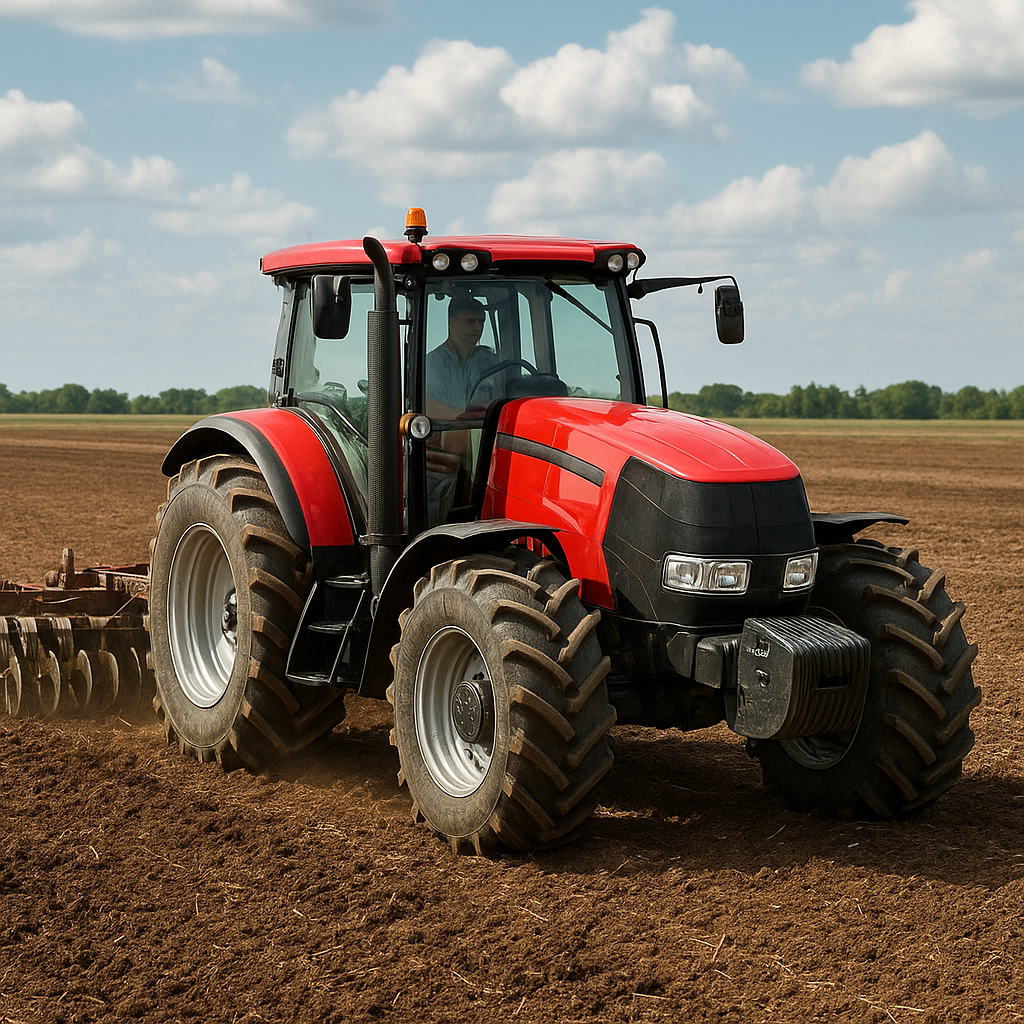
One of the primary reasons producers invest in four-wheel drive tractors is the significant increase in ground contact and grip. By powering all four wheels simultaneously, these tractors distribute torque more evenly, which reduces wheel slip and allows for smoother movement:
- Weight distribution: The balanced load across front and rear axles improves fl otation on soft soils, preventing deep ruts and soil compaction.
- Lockable differentials: Many models include front and rear differential locks that engage automatically under high-torque conditions, ensuring both axles share power equally.
- Advanced tire options: Specialized agricultural tires further enhance grip, channeling mud and debris away while maintaining surface contact.
Greater adhesion translates into consistent forward motion when pulling heavy implements, such as plows, cultivators, and harvesters. Even on slopes or in muddy fields, four-wheel drive configurations reduce stalling and downtime, boosting overall performance during critical planting and harvesting windows.
Improved Field Performance
Beyond raw pulling power, four-wheel drive tractors elevate field operations through advanced hydraulics and transmission systems. Key features include:
- High-capacity hydraulic pumps that support multiple simultaneous implements, such as planters, sprayers, and loaders.
- Continuously Variable Transmissions (CVT) or PowerShift gearboxes offering seamless speed adjustments for precise implement control.
- Integrated cab technologies, including GPS-guided auto-steering and telemetry, that maximize efficiency and reduce operator fatigue.
These enhancements allow farmers to maintain consistent implement depth, resulting in uniform seed placement and optimal soil contact. The ability to fine-tune application rates for fertilizers and pesticides also contributes to higher yields and reduced input waste. In compact or terraced fields, four-wheel drive machines maneuver with agility, preserving field edges and minimizing damage to adjacent crops.
Economic and Environmental Benefits
Investing in a four-wheel drive tractor can lead to significant cost savings and environmental gains over time. Key advantages include:
- Efficiency: Reduced wheel slip lowers fuel consumption by transmitting engine power directly to the ground rather than spinning tires.
- Productivity: Faster field turnaround times enable completion of tasks within narrow weather windows, preventing yield losses due to unexpected rain or frost.
- Sustainability: Precision farming techniques made possible by advanced drivetrains minimize excessive soil disturbance and lower chemical runoff.
- Cost-effectiveness: Lower maintenance costs arise from evenly distributed mechanical stress, decreasing wear on transmissions and axles.
Additionally, the improved traction reduces the need for multiple pass-throughs, diminishing soil compaction and preserving soil structure. Over multiple seasons, maintaining healthy topsoil enhances long-term fertility and reduces the reliance on synthetic amendments. Farmers often report a strong return on investment as the tractor’s versatility eliminates the need for specialized machines for different tasks.
Applications Across Different Terrains
Four-wheel drive tractors excel in a wide range of environments, from steep hillside vineyards to waterlogged rice paddies. Their adaptability is evident in several contexts:
- Upland cropping: On slopes, they maintain consistent ground speed, preventing crops from being missed or unevenly seeded.
- Wetland operations: In fields with high moisture, enhanced flotation keeps tractors from bogging down, ensuring timely planting and harvesting.
- Heavy clay soils: The ability to adjust ballasting and tire pressure allows operators to reduce compaction and protect soil health.
- Snow removal: With appropriate attachments, four-wheel drive tractors clear driveways and access roads without losing grip on icy surfaces.
The combination of robust chassis design and adaptable front–rear linkages supports various implements, from rotary tillers to front-mounted snowblowers. This versatility means a single four-wheel drive unit can serve as both a primary field workhorse and a multipurpose utility vehicle on a diversified farm.
Future Trends and Technological Innovations
Advancements in drivetrain control systems are pushing the boundaries of four-wheel drive tractor capabilities. Automated differential engagement, torque vectoring, and real-time traction monitoring are increasingly common, providing:
- Dynamic adjustment of power distribution to optimize grip and reduce fuel usage.
- Predictive maintenance alerts based on driveline load patterns and sensor data.
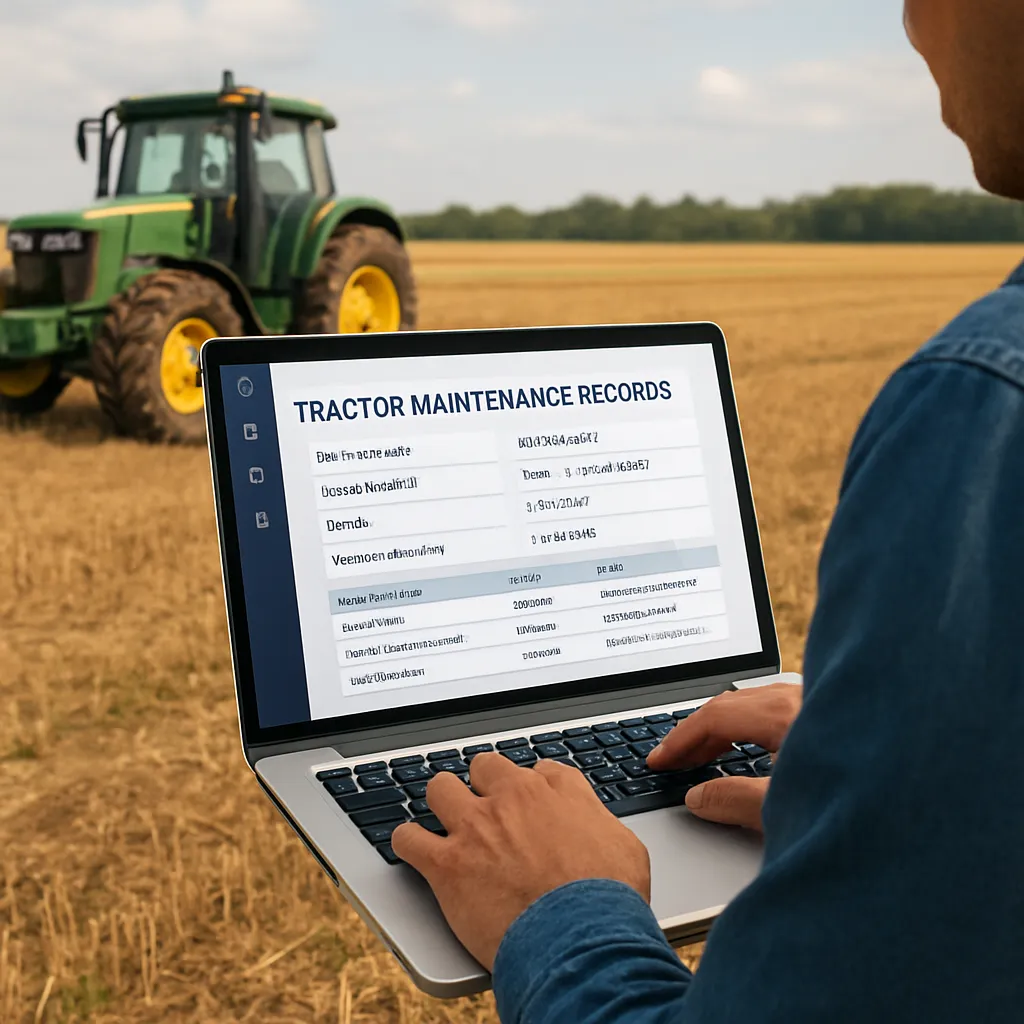
- Seamless integration with farm management software for performance tracking and remote diagnostics.
As electric and hybrid powertrains emerge, farmers can anticipate even greater power delivery with lower emissions. Regenerative braking in electric systems can recapture energy during deceleration, further boosting efficiency. Moreover, the modular design of future four-wheel drive tractors will allow easy swapping of power units, attachments, and smart implements to meet evolving agricultural demands.