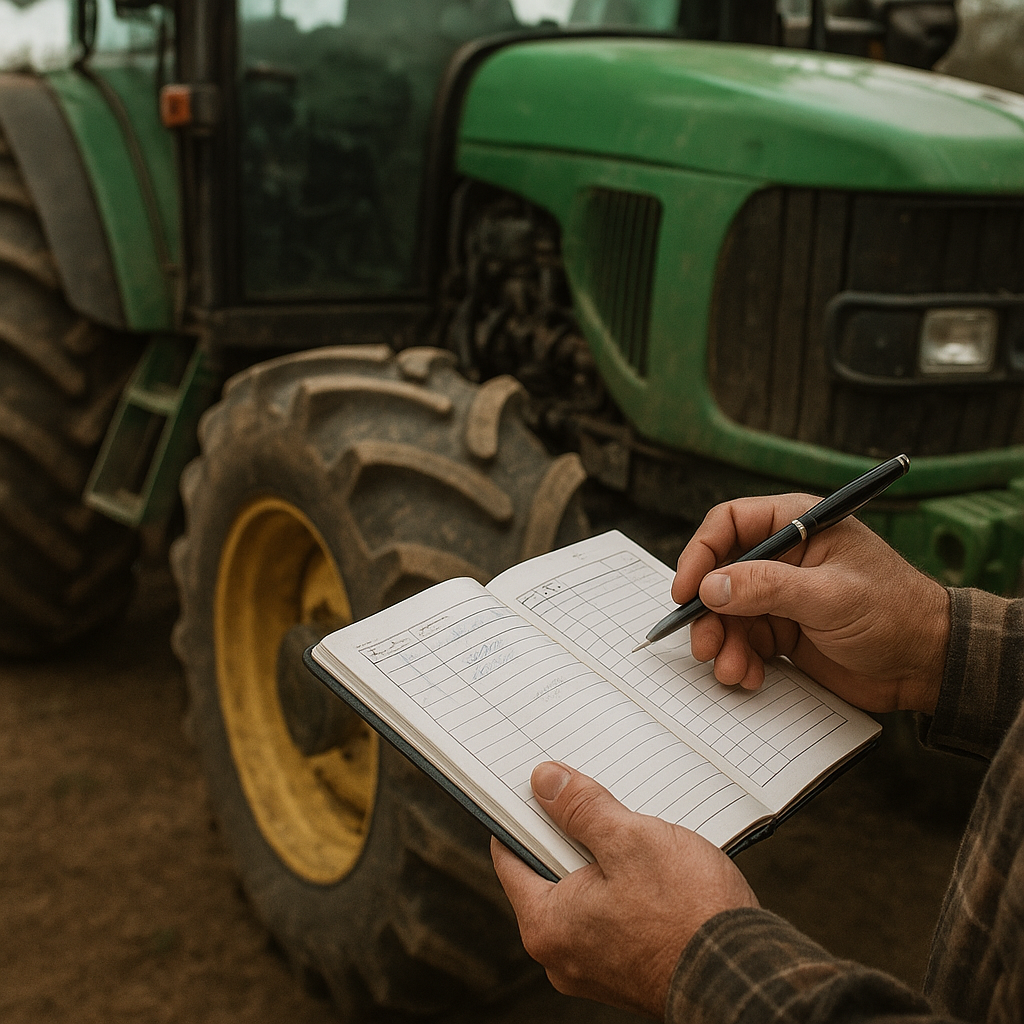
Maintaining a reliable fleet of farm equipment requires more than just occasional check-ups and reactive fixes. For every tractor owner, a systematic approach to recording service activities can spell the difference between smooth field operations and disruptive breakdowns. By embracing detailed maintenance logs, you empower yourself with rich insight into your machine’s history, guaranteeing consistent performance, enhanced safety, and cost savings over time.
Benefits of Keeping Detailed Maintenance Logs
Adopting a robust documentation strategy for your tractor’s service records unlocks a host of advantages. Whether you operate a single machine or manage an entire fleet, the benefits remain substantial.
Improved Reliability and Uptime
- Proactive identification of wear patterns before failures occur
- Optimization of service intervals based on actual usage
- Reduction of unexpected downtime, ensuring critical tasks stay on schedule
Cost Efficiency and Budget Control
- Tracking expenditures for parts and labor helps in forecasting annual maintenance budgets
- Early detection of small faults to avoid major repairs or part replacements
- Negotiating better warranty claims by providing thorough service histories
Enhanced Resale Value
- Prospective buyers appreciate a well-documented service history
- Proof of regular preventive inspections elevates buyer confidence
- Full logs can justify premium resale or trade-in prices
Components of an Effective Maintenance Log
Not all logs are created equal. A truly valuable record goes beyond a simple date-and-mileage entry. Below are essential elements to include for every service event.
Basic Machine Identification
- Tractor model and serial number
- Engine type and hours of operation at time of service
- Owner or operator contact details
Service Details
- Date and schedule milestone (e.g., 250-hour, 500-hour)
- Detailed description of tasks performed
- List of replaced parts and fluids, including part numbers
- Technician remarks and any follow-up recommendations
Inspection and Condition Reports
- Visual checks on hoses, belts, filters, and hydraulic lines
- Measurements of fluid levels, tensions, and pressures
- Photographic evidence when necessary for clarity
Cost and Warranty Information
- Labor hours and hourly rates
- Parts cost and supplier details
- Warranty claims processed, warranty expiration dates, and coverage limits
Implementing a Log System: Practical Tips for Tractor Owners
Creating a logging routine that doesn’t disrupt daily workflows is crucial. Below are steps to integrate maintenance logs seamlessly into your operations.
Choose a Centralized Record-Keeping Method
- Physical logbooks stored in a weatherproof binder or cabinet
- Digital spreadsheets or database templates accessible on tablets and smartphones
- Dedicated fleet management software that syncs across devices
Define Roles and Responsibilities
- Assign one person to oversee records accuracy
- Guard against missed entries by establishing clear checklists
- Train operators to fill out basic mileage or hour logs daily
Incorporate Visual Aids
- Use checklists for quick inspections before and after shifts
- Attach stickers or QR codes on tractors linking to their digital file
- Document unusual wear patterns with photos to compare over time
Regular Reviews and Audits
- Monthly or quarterly reviews to spot recurring issues
- Cross-verify entries against parts inventory and service invoices
- Assess whether maintenance intervals need adjustment based on actual field conditions
Digital Tools and Technological Innovations
The advent of digital solutions has revolutionized how tractor owners track service activities and analyze performance metrics.
Mobile Apps for Maintenance Tracking
- Automated reminders for upcoming service intervals
- Cloud storage ensures logs are never lost even if a device fails
- Real-time syncing among team members, guaranteeing up-to-date information
Telematics and IoT Integration
- Onboard sensors monitor engine temperature, oil pressure, and hydraulic levels
- Data is streamed to a centralized dashboard, triggering alerts for anomalies
- Historical trends are visualized to optimize efficiency and prevent costly breakdowns
Artificial Intelligence and Predictive Maintenance
- Machine learning algorithms analyze service logs and sensor data
- Predictive alerts for component fatigue based on usage patterns
- Reduced human error by recommending optimal time windows for service
Overcoming Common Challenges in Log Management
Despite clear benefits, maintaining consistent logs can be challenging. Here’s how to address common obstacles:
Inconsistent Record Entries
- Standardize log formats to minimize confusion
- Use drop-down menus or pre-filled options in digital forms
- Implement a reward system for staff who maintain perfect logs
Data Overload
- Focus on capturing critical metrics, not every minor detail
- Automate data capture through connected devices to reduce manual input
- Periodically archive outdated logs to keep systems responsive
Resistance to New Processes
- Demonstrate time savings and safety benefits with real-world examples
- Offer hands-on training sessions for operators
- Scale the logging process gradually, starting with key machines
Maintaining Data Security
- Back up digital logs to multiple secure locations
- Use encryption for sensitive warranty and cost information
- Restrict access rights so only authorized personnel can modify entries
Maximizing ROI Through Effective Maintenance Documentation
Properly maintained logs not only enhance reliability but also contribute to a measurable return on investment.
Analyzing Trends to Optimize Asset Lifecycle
- Decide whether to repair or replace parts based on failure frequency
- Adjust acquisition plans for new tractors by evaluating the total cost of ownership
Streamlining Warranty and Insurance Claims
- Quick access to records accelerates claim approvals
- Minimizes out-of-pocket expenses when unplanned repairs fall under warranty
Supporting Sustainability and Compliance
- Tracking fluid disposal and parts recycling efforts
- Meeting environmental and safety regulations with precise service histories