Tractor insurance plays a crucial role in safeguarding agricultural investments and farm operations. Whether you rely on a vintage model or a modern, high-powered machine, having the right insurance plan can protect you against unexpected losses, liability claims, and costly repairs. This article explores the essential elements of tractor insurance, helping you make an informed decision tailored to your unique farming needs.
Understanding Tractor Insurance Coverage
Before purchasing a policy, it’s important to know what tractor insurance typically covers. Tractor insurance policies generally include:
- Liability Coverage: Protects you financially if your tractor causes bodily injury or property damage to a third party.
- Collision Coverage: Pays for repairs or replacement if your tractor is damaged in an accident with another vehicle or object.
- Comprehensive Coverage: Covers non-collision events such as theft, vandalism, fire, or natural disasters.
- Uninsured Motorist Coverage: Ensures you’re compensated if an uninsured or underinsured driver causes an accident.
- Medical Payments: Covers medical expenses for you or your passengers following a covered accident.
Understanding these basic components empowers you to choose a plan that balances cost and protection. Always check the policy definitions to uncover any exclusions or limitations.
Factors Influencing Your Premium
Several variables directly impact the cost of your tractor insurance premium:
- Tractor Age and Condition: Older tractors may be cheaper to insure but could have higher repair costs due to scarce parts.
- Usage Intensity: Tractors used daily for heavy-duty work often face higher premiums than those used seasonally.
- Geographic Location: Premiums vary by region based on local weather patterns, theft rates, and road conditions.
- Experience and Training: Operators with formal training or a proven safety record typically enjoy discounted rates.
- Safety Features: Adding rollover protection, GPS tracking, or cab enclosures can lower your overall risk profile.
Request a detailed quote and ask the insurer how each factor influences the final premium. Comparing multiple offers helps ensure you get competitive pricing without sacrificing critical coverages.
Selecting Optional Add-Ons and Endorsements
In addition to standard protections, you may consider several endorsements to enhance your policy:
- Rental Reimbursement: Covers costs of a substitute tractor while yours is under repair.
- Custom Parts and Equipment Coverage: Insures specialized attachments like front loaders or tillers.
- Agreed Value Protection: Guarantees a predetermined payout instead of actual cash value in a total loss.
- Gap Coverage: Pays the difference between what you owe on a financed tractor and its depreciated value.
- Crop Input Protection: Covers damage to seeds, fertilizers, and pesticides stored on the tractor.
Such endorsements can significantly reduce out-of-pocket expenses when the unexpected happens. However, they may increase your premium, so carefully weigh the costs and benefits.
Risk Management and Loss Prevention
Proactive risk management helps minimize both accident frequency and claim severity. Key strategies include:
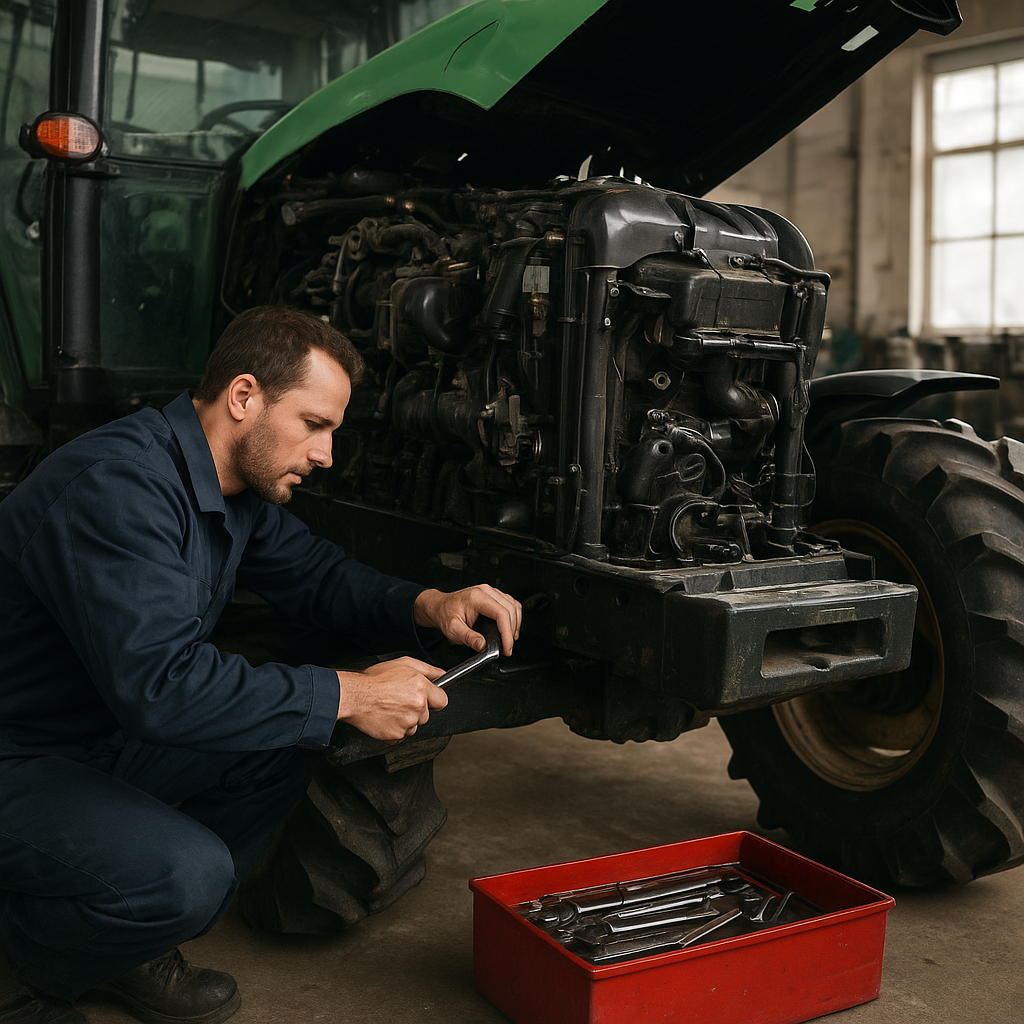
- Regular Maintenance: Scheduled servicing reduces mechanical failures and breakdowns.
- Operator Training: Comprehensive training programs instill safe operation techniques.
- Secure Storage: Keeping tractors in locked sheds deters theft and vandalism.
- Implementing GPS Monitoring: Real-time tracking discourages unauthorized use and expedites recovery.
- Estate Planning: Proper documentation and ownership transfer can prevent legal disputes in case of inheritance.
By reducing the likelihood of incidents, you’ll benefit from lower deductibles and fewer claim-related expenses over time. This approach not only protects your machinery but also maintains stable insurance costs.
Filing a Claim and Getting Back to Work
When an incident occurs, swift and accurate claim filing is crucial:
- Document the Scene: Take photographs of vehicle damage, surroundings, and any third-party vehicles involved.
- Gather Information: Collect names, contact details, license numbers, and insurance data from witnesses and other drivers.
- Notify Your Insurer Promptly: Early reporting speeds up the evaluation process and claim approval.
- Obtain Repair Estimates: Certified assessments help ensure the settlement covers all necessary work.
- Follow Up Regularly: Stay in touch with claims adjusters to address any questions and expedite repairs.
Proper documentation and communication streamline your recovery, allowing you to resume operations faster and reduce lost productivity.
Understanding Policy Renewal and Adjustments
Insurance needs evolve over time. As your farm grows or new equipment is added, revisit your coverage to avoid gaps. At renewal:
- Review Usage Patterns: Seasonal shifts or new contracts may require different insurers or higher limits.
- Update Equipment Lists: Ensure newly purchased tractors or attachments are listed on the policy.
- Negotiate Discounts: Long-term customers or multi-policy holders often qualify for loyalty rewards.
- Consider Higher Liability Limits: Expanded operations can increase exposure to costly lawsuits.
- Compare Market Offers: Competitive quotes help confirm you’re getting fair policy terms.
Regular policy evaluation ensures coverage remains aligned with evolving farm risks, avoiding unpleasant surprises at claim time.
Conclusion
Choosing the right tractor insurance involves understanding coverage options, balancing cost factors, and implementing robust risk controls. With the proper plan in place, you safeguard not only your valuable machinery but also your livelihood, empowering you to focus on what matters most: cultivating success in the field.