The agricultural realm is undergoing a profound transformation as tractors embrace advanced technologies that promise to reshape the way farmers work the land. Innovations ranging from electrification to autonomy, and from precision systems to eco-friendly fuels, are converging to deliver unprecedented levels of productivity, efficiency, and environmental stewardship. The coming decade will witness the rise of machines that not only till soil and tow implements but also collect vast amounts of information, adapt to changing conditions, and collaborate with human operators in ways never before imagined.
Electrification of Tractor Systems
Battery-electric and hybrid tractors are rapidly gaining traction as manufacturers strive to reduce greenhouse gas emissions and operational costs. These next-generation models boast:
- Zero Emissions operation in the field, minimizing carbon footprints.
- Quiet powertrains that reduce noise pollution and operator fatigue.
- Instant torque delivery from high-capacity electric motors, enhancing performance during heavy-duty tasks.
Advances in battery chemistry and modular pack designs enable longer runtime and faster charging. Some prototypes even incorporate on-board solar panels or hydrogen fuel cells to extend field endurance. The integration of smart charging algorithms allows tractors to recharge during off-peak hours or from renewable sources, optimizing energy usage and cutting costs.
Manufacturers are also exploring vehicle-to-grid (V2G) capabilities, enabling tractors to feed stored energy back into farm microgrids when idle. Such bi-directional power flows enhance overall sustainability and resilience, especially in remote areas prone to power disruptions.
Autonomous and Robotic Platforms
Automation is set to revolutionize labor-intensive tasks by deploying driverless tractors and robotic implements. Key developments include:
- Advanced robotics arms for precision seeding and weeding.
- LiDAR, radar, and camera arrays enabling 360° obstacle detection.
- Machine learning algorithms that refine navigation and implement control over time.
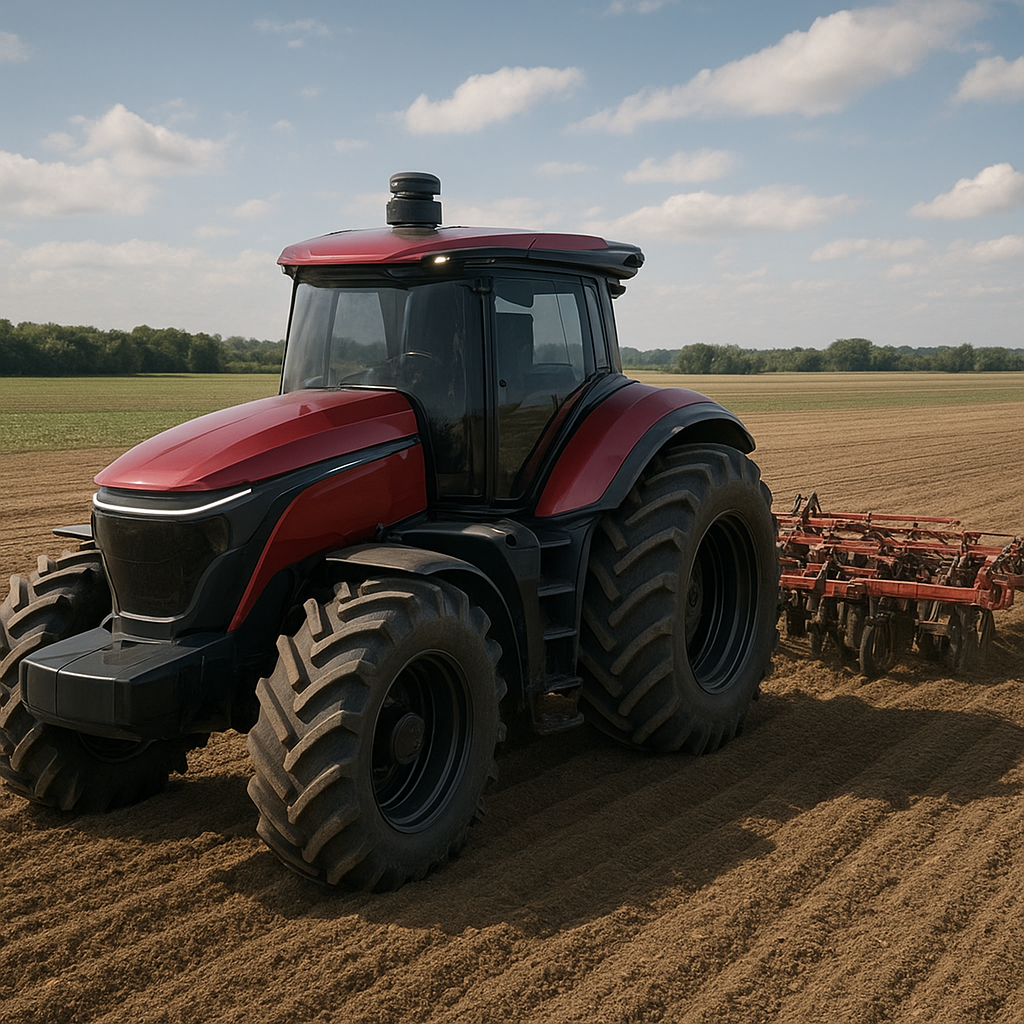
Autonomous tractors can operate around the clock, performing repetitive tasks with steady accuracy. These platforms rely on high-definition mapping, real-time sensor fusion, and AI-driven decision-making to adapt to dynamic field conditions. In addition, swarms of smaller robotic units can collaborate, dividing large fields into manageable zones and executing synchronized activities such as precision spraying or selective harvesting.
Safety protocols are crucial: geofencing prevents machines from straying into restricted zones, while redundant fail-safe systems ensure operations halt instantly upon detecting anomalies. As regulatory frameworks evolve, farmers will gain the confidence to deploy autonomous fleets for tasks ranging from plowing to crop monitoring.
Precision Farming and Data-Driven Decisions
Data has become the new currency in agriculture. Tractors are now equipped with an array of sensors capturing soil moisture, nutrient levels, and crop health metrics in real time. These readings feed into advanced analytics platforms that deliver:
- Variable-rate application of seeds, fertilizers, and pesticides.
- Predictive maintenance for tractor components based on usage patterns and wear indicators.
- Yield optimization models that balance inputs with environmental conditions.
On-the-go soil scanners and multispectral cameras generate granular maps that guide implement adjustments on a meter-by-meter basis. Through big data integration, farmers can compare field performance year over year, pinpointing areas that underperform and experimenting with tailored remediation strategies. This shift towards precision methodologies not only boosts output but also minimizes waste, aligning agricultural productivity with ecological stewardship.
Connectivity and IoT Integration
Modern tractors are becoming integral nodes within the Internet of Things (IoT), connecting to cloud platforms, edge devices, and mobile apps. Connectivity features include:
- 5G and low-power wide-area network (LPWAN) radios for uninterrupted data streams.
- Bluetooth and Wi-Fi modules to interface with handheld devices and in-cab displays.
- Vehicle-to-Vehicle (V2V) links for coordinated multi-machine operations.
Leveraging real-time analytics, remote technologists can monitor tractor health, adjust implement settings, or diagnose faults before they escalate into costly breakdowns. Fleet managers gain a comprehensive view of equipment location, fuel usage, and field progress through integrated dashboards. Data encryption and secure authentication protocols safeguard sensitive information, ensuring that intellectual property and operational plans remain protected.
Sustainable Fuels and Environmental Impact
Beyond electric drives, research into alternative power sources is fueling diverse innovation streams. Biofuels derived from agricultural residues or dedicated energy crops offer a renewable option for diesel-compatible engines. Synthetic e-fuels, produced via captured CO2 and green hydrogen, promise near-carbon-neutral operations. Key advantages include:
- Drop-in compatibility with existing engine designs.
- Significant reduction in particulate and NOx emissions.
- Integration with circular agricultural systems, where crop waste becomes fuel feedstock.
Life-cycle assessments are guiding product development to ensure that overall environmental benefits outweigh production impacts. Combined with no-till implements and cover-cropping practices, these sustainable energy solutions contribute to healthier soils, cleaner air, and a robust approach to climate resilience.
Human-Machine Collaboration and Safety
As tractors grow more autonomous, the role of the operator shifts toward supervision, analysis, and strategy. Cab designs are evolving to blend physical controls with augmented reality (AR) overlays, providing real-time guidance and alerts. Collaborative interfaces promote seamless handoffs between manual and automatic modes, allowing growers to intervene when needed.
Ergonomics and operator well-being have become central considerations: adjustable seats with vibration-damping technologies, climate-controlled cabins, and intuitive touchscreen consoles enhance comfort during long shifts. Moreover, advanced driver-assistance systems (ADAS) incorporate collision avoidance, lane-keeping, and fatigue detection, safeguarding both equipment and personnel.
The next decade will see humans and machines working in concert, each leveraging unique strengths. Farmers will harness the resilience and consistency of automated platforms alongside the critical thinking and contextual awareness of human operators, unlocking new levels of productivity and sustainability across global agriculture.