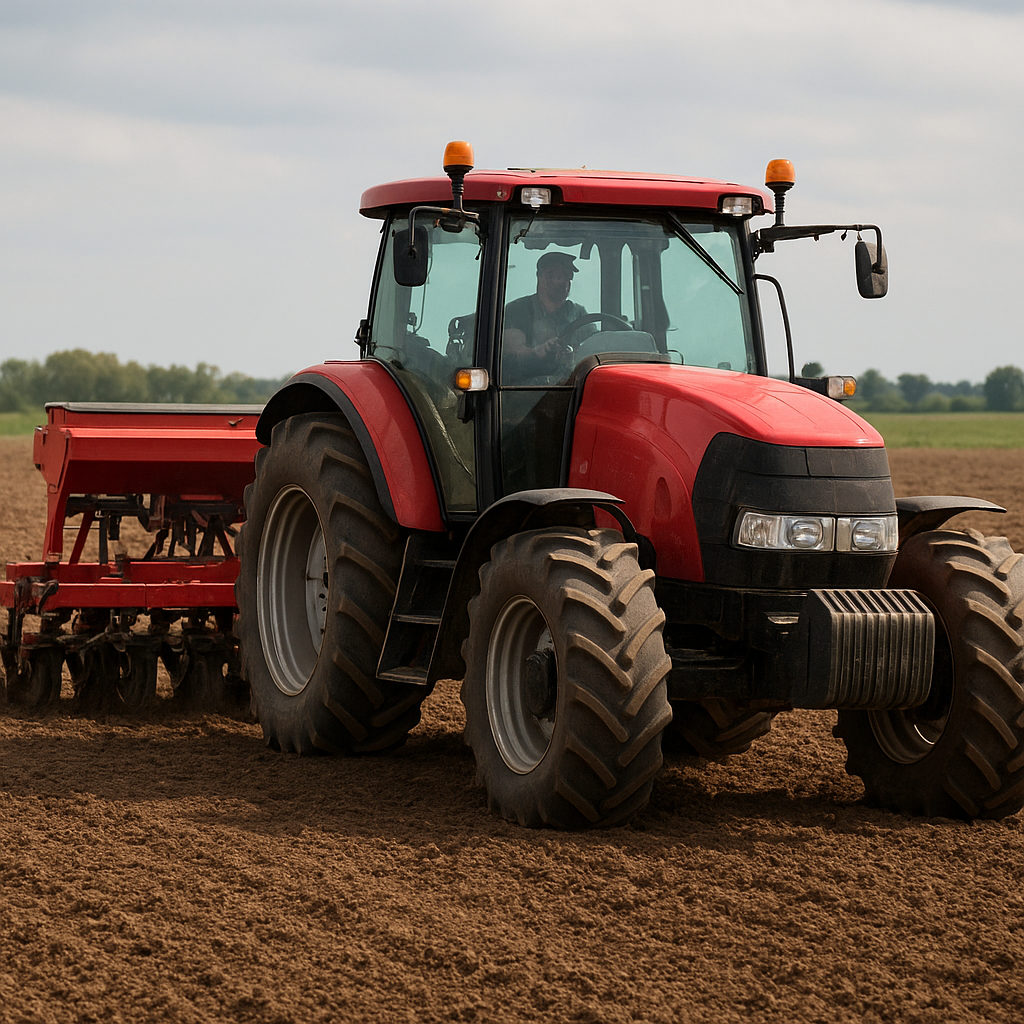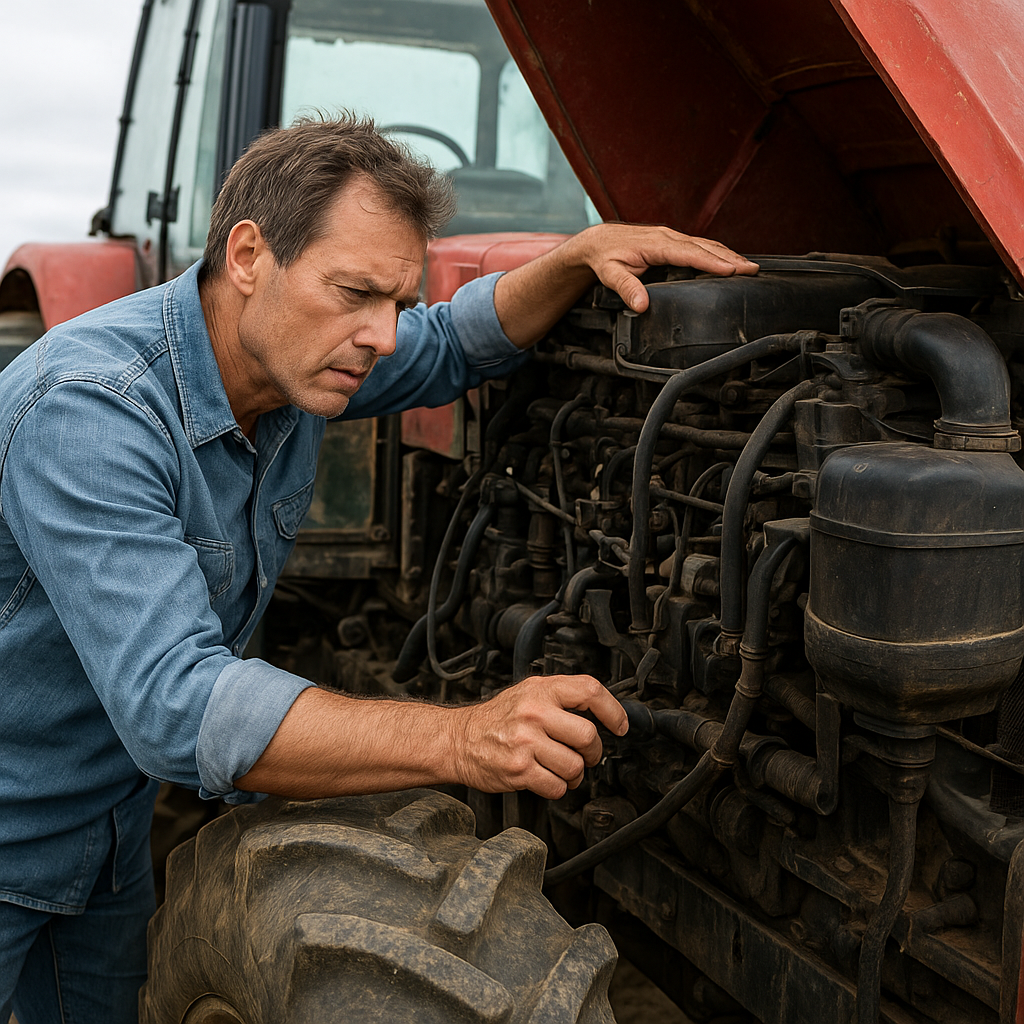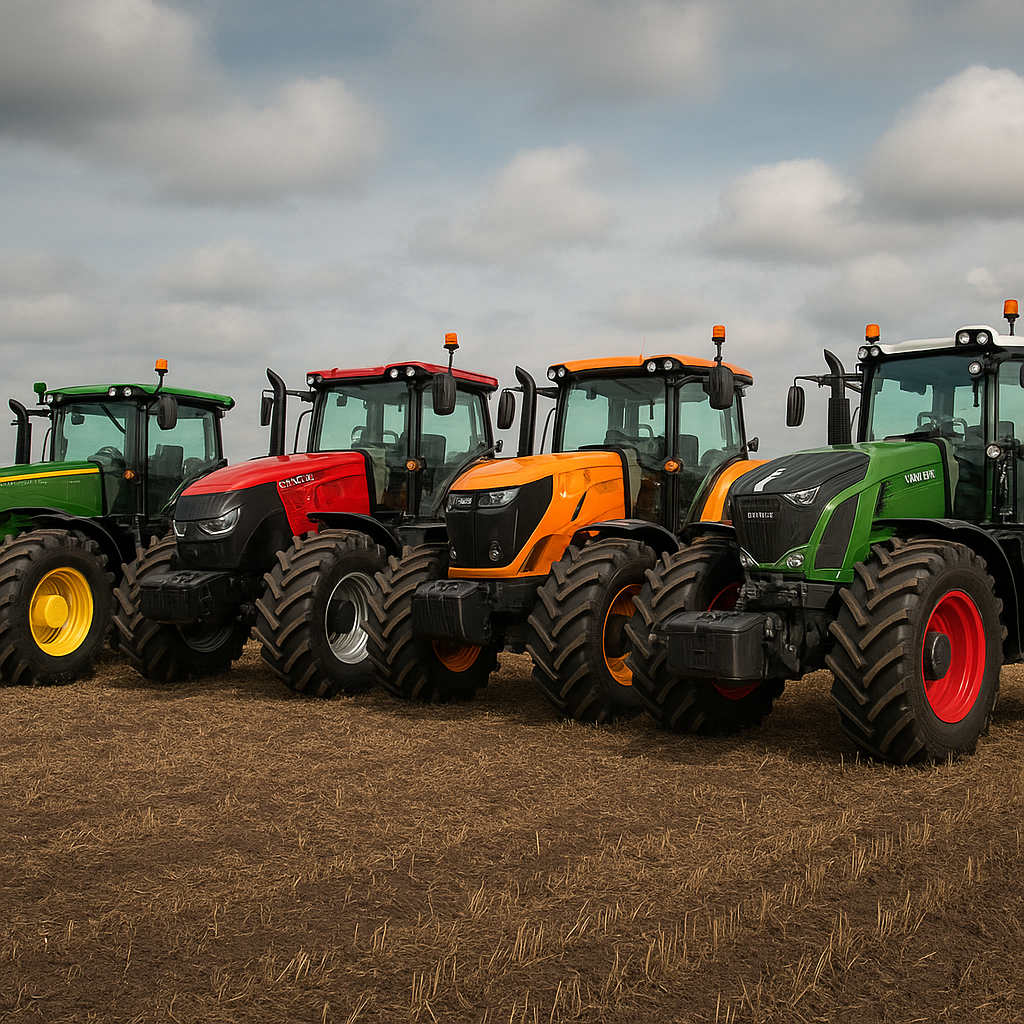
The agricultural sector has witnessed a remarkable transformation as leading manufacturers introduce groundbreaking developments in tractor design. This article explores the most significant advancements from major brands, covering propulsion systems, digital integration, operator experience, and a glimpse into sustainable solutions that will reshape farming’s future.
Powertrain Breakthroughs in Modern Tractors
Diesel-Electric Hybrid Systems
Several top-tier brands have unveiled powertrain architectures that combine traditional diesel engines with electric motors. These hybrid configurations deliver optimized torque curves, improved fuel economy, and rapid response under varying load conditions. By recuperating braking energy and employing intelligent power management, tractors can reduce overall consumption by up to 20 percent. The integration of advanced battery packs also allows for short-duration pure-electric operation, ideal for low-load tasks or confined areas.
Hydrogen Fuel Cell Innovations
Hydrogen as an alternative energy source has gained traction among forward-thinking manufacturers. New prototypes feature onboard fuel cells generating electricity to drive electric motors. This zero-emission approach yields only water vapor as a byproduct, addressing strict environmental regulations. Key challenges such as hydrogen storage, refueling infrastructure, and operational range are being tackled through high-pressure tanks and modular fuel cell stacks, offering a glimpse into a sustainability-driven future for agri-machinery.
Continuous Variable Transmissions and Smart Clutches
Beyond engine improvements, transmission advances have focused on seamless power delivery. Continuously variable transmissions (CVT) now boast robust belt and pulley designs capable of handling hundreds of horsepower without noticeable gear shifts. Smart clutch systems further optimize efficiency by engaging and disengaging power only when required, reducing mechanical drag. These innovations deliver smoother field operations and lower maintenance demands.
Precision Technology and Connectivity
GPS-Guided Auto-Steering
Precision agriculture has redefined how fields are cultivated, and auto-steer technology sits at its core. High-accuracy GNSS receivers paired with on-board computers enable centimeter-level positioning. Tractors equipped with these systems can follow pre-programmed paths, minimizing overlap and maximizing coverage. Farmers benefit from increased productivity and reduced input costs, thanks to precise seed placement and uniform fertilizer application.
Telematics and Remote Monitoring
Major brands increasingly integrate telematics modules into their tractors, providing real-time data on engine health, fuel usage, and work progress. Fleet managers can access dashboards via mobile apps or web portals to track location, performance metrics, and maintenance alerts. Predictive analytics algorithms identify anomalies and schedule service interventions before failures occur, enhancing resilience and uptime in critical planting or harvest windows.
Machine Learning for Adaptive Workflows
Artificial intelligence has begun influencing how tractors respond to field conditions. Machine learning models analyze soil texture, moisture levels, and crop density, automatically adjusting implement depth, traction settings, and speed. The result is a dynamic optimization loop that ensures consistent output quality, even across varying terrain. This layer of automation transforms tractors into self-learning platforms capable of continuous improvement throughout the season.
Ergonomics and Operator-Centered Design
Intuitive Control Interfaces
Comfort and ease of use have become critical differentiators in tractor cabs. New control consoles feature touchscreens with customizable layouts, gesture-based commands, and voice-activated shortcuts. Joystick modules manage front loaders and implements with minimal hand movement, reducing fatigue during long shifts. Enhanced visibility through panoramic windows and LED lighting systems ensures safe operations in low-light conditions.
Advanced Seating and Suspension
Manufacturers now offer multi-adjustable seats with pneumatic suspension and integrated climate control. These seats adapt to the operator’s weight distribution and posture, mitigating back strain. Cab suspension systems use electrohydraulic actuators to isolate the operator from bumps and vibrations. The combined effect fosters higher productivity by maintaining comfort levels throughout extended work periods.
Noise Reduction and Climate Management
Noise levels inside modern cabs have dropped significantly thanks to newly designed engine compartments, soundproofing materials, and optimized air intake paths. Meanwhile, climate control units integrate air filtration and humidity regulation, ensuring a pleasant environment regardless of external conditions. The focus on human-centric design underscores the importance of well-being in sustaining efficient operations.
Smart Implements and Automated Attachments
Plug-and-Play Implement Recognition
Next-generation tractors can automatically detect connected implements via electronic ID chips. Once hooked up, the machine downloads optimal settings for hydraulic flow, PTO speed, and ballast distribution. This connectivity simplifies implement changes and prevents operator error, ensuring each attachment performs at peak efficiency from the outset.
Self-Leveling Loader Arms
Innovative loader systems now feature self-leveling arms that maintain bucket orientation during lifting and tilting operations. Built-in sensors and microprocessors calculate load distribution in real time, adjusting cylinder pressures to stabilize heavy loads. Whether moving silage or pallets, operators benefit from precise handling and reduced spillage.
Electric Implement Drives
Electrically driven attachments are gaining prominence as PTO-based hydraulics give way to brushless motors. These motors offer instant torque, fine speed control, and reduced heat generation. Electric drives also simplify maintenance by eliminating hydraulic leaks and filtration systems. The modular nature of these units allows for rapid swapping between tasks, boosting overall machine versatility.
Emerging Trends and The Road Ahead
Autonomous Field Robots
Autonomous tractor units capable of operating without an onboard operator are transitioning from concept to commercial reality. Equipped with LiDAR, radar, and advanced cameras, these vehicles map their surroundings, navigate obstacles, and perform repetitive tasks like tilling or planting. Remote supervisors can coordinate entire fleets, dramatically reducing labor requirements for large-scale operations.
Blockchain for Traceability
Some manufacturers are exploring blockchain networks to record machine usage, maintenance history, and produce origin details. This ledger-based approach ensures transparent supply chains and authenticates sustainable practices. Farmers can provide verifiable data on planting dates, agrochemical usage, and yield outcomes, appealing to conscious consumers and premium markets.
Towards Carbon-Neutral Farming
Integration of on-board carbon capture modules and biofuel compatibility represents the next sustainability frontier. Adaptive engines will burn renewable fuels like hydrotreated vegetable oil or bioethanol blends, while capture units trap a portion of emitted CO2 for sequestration. These combined strategies aim to achieve net-zero field operations, aligning agriculture with global climate goals.
Modular Design Philosophy
Future tractors will emphasize modularity, enabling growers to customize machines according to seasonal demands. Swappable power units, sensor packages, and cab modules will reduce downtime and capital expenditure. This design ethos underpins a shift from monolithic equipment ownership to flexible tractor-as-a-service models, where uptime guarantees replace outright purchase.