In modern organic farming, tractors have become indispensable tools that blend traditional agricultural wisdom with contemporary mechanical innovation. Their integration into regenerative systems demands careful consideration of both mechanical performance and environmental impact. This article explores the evolution, customization, and future directions of tractors tailored to the needs of organic farmers seeking to enhance productivity while preserving the natural balance of their land.
The Evolution of Tractors in Sustainable Agriculture
Early tractors were simple machines designed for pulling plows and harrows, but advances over the past century have transformed them into sophisticated, multipurpose platforms. Innovations in engine design, hydraulics, and electronics have yielded machines with enhanced efficiency and lower emissions. Integration of onboard computers enables operators to monitor fuel consumption, engine diagnostics, and performance metrics in real time, paving the way for precision operations that align with the principles of organic cultivation.
The shift toward sustainable agriculture accelerated interest in alternative power sources. Electric and hybrid tractors, once niche prototypes, are now undergoing field trials. These vehicles offer near-silent operation, zero tailpipe emissions, and reduced reliance on fossil fuels, making them ideal for operations that emphasize ecological integrity and minimal disturbance of wildlife habitats. As battery technology and energy storage solutions improve, electric tractors could become mainstream on mid- to large-scale organic farms.
Moreover, the concept of multifunctional tractors emerged, allowing a single unit to conduct diverse tasks by swapping attachments. This modular approach reduces capital expenditures and greenhouse gas footprints associated with maintaining multiple specialized machines. By harnessing the power of integrated systems, farmers can manage operations from soil preparation to harvest with a single, fuel-efficient platform.
Customization and Adaptation for Organic Farms
Organic farmers face unique challenges, such as maintaining soil fertility without synthetic chemicals and encouraging on-farm biodiversity. To meet these demands, manufacturers and agricultural engineers have collaborated to develop tractors with features specifically suited to low-input systems.
- Adjustable Row Spacings: Tractors equipped with adjustable axles and track widths allow operators to navigate between diverse crop rows without damaging adjacent plants. This flexibility supports intercropping and cover cropping strategies essential for organic fields.
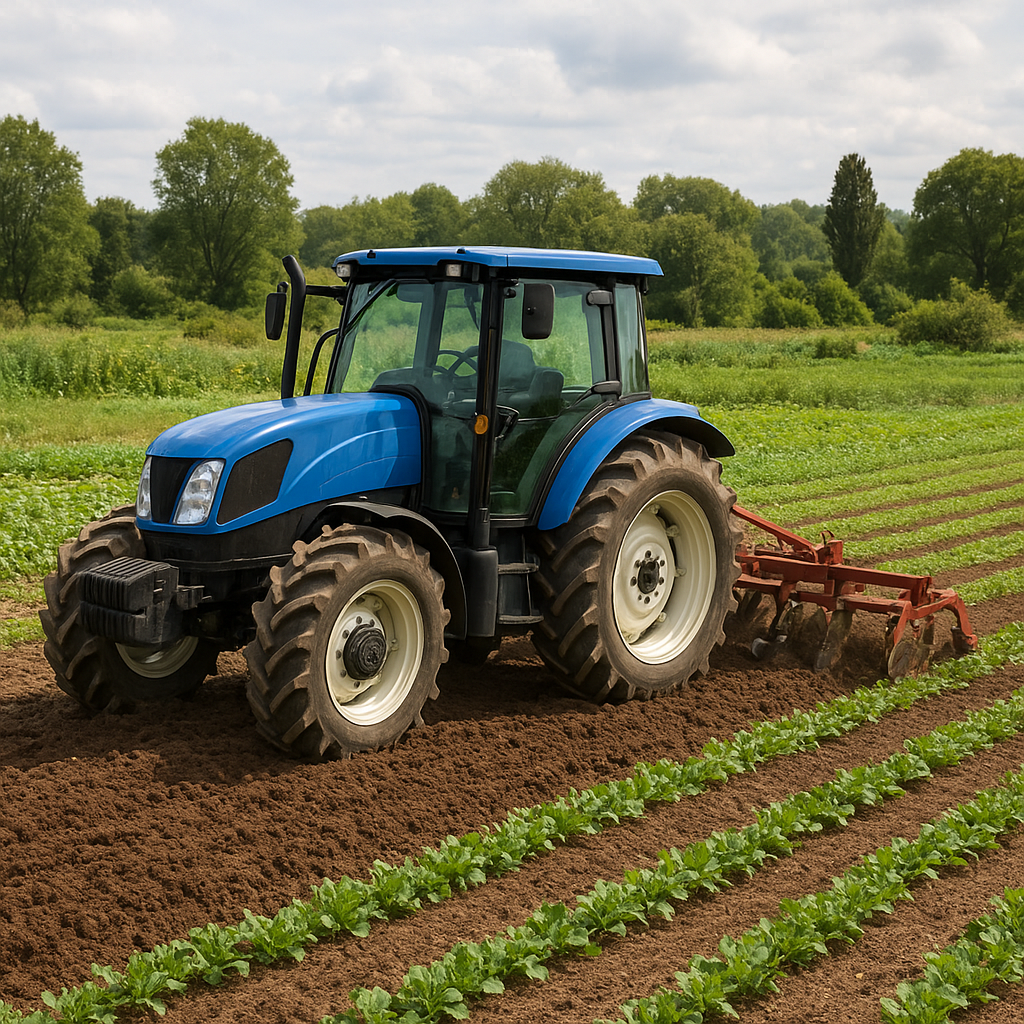
- Reduced Tillage Implements: Integration of precision seeders and coulters enables minimal soil disturbance, preserving the structure of the topsoil and promoting a thriving microbial ecosystem. Such attachments align with regenerative practices by protecting organic matter and reducing erosion.
- Low-Impact Tires and Tracks: Choices between wide flotation tires and rubber tracks distribute weight more evenly, preventing soil compaction. Maintaining proper soil porosity is critical for water infiltration and root growth in non-chemical management systems.
- Onboard Weeding Tools: Mounted flame weeders, mechanical hoes, and high-pressure water wands can be powered directly by the tractor’s hydraulics or PTO (Power Take-Off), offering chemical-free weed control options that integrate seamlessly with cultivation schedules.
Implement Attachments and Biodynamic Practices
Organic producers often integrate biodynamic principles into their farm design, emphasizing lunar planting calendars, compost preparations, and holistic land stewardship. Tractors play a central role in executing these practices at scale:
- Compost Spreaders: Specialized hoppers and conveyor systems enable uniform application of compost tea or solid amendments, enriching soil with beneficial microbes and nutrients.
- Seed Sowers for Cover Crops: High-precision broadcast and drill seeders facilitate rapid cover crop establishment, which suppresses weeds, improves soil structure, and enhances nutrient cycling during fallow periods.
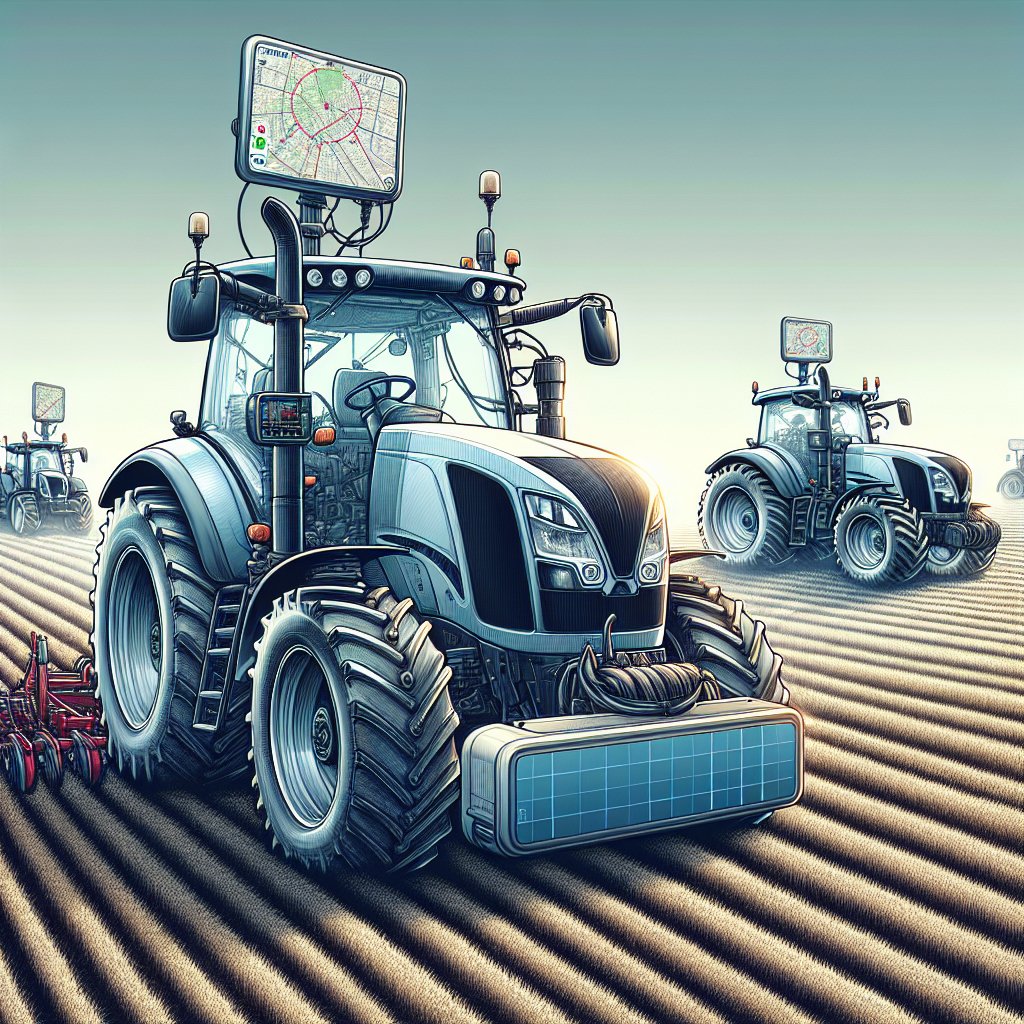
- Crop Rotation Management: GPS-enabled guidance systems allow operators to follow exact field maps, ensuring accurate planting sequences and minimizing overlap. This precision supports complex rotations vital for pest and disease suppression without chemical interventions.
By coupling tractors with biodynamic equipment kits, organic farmers can reduce manual labor while upholding the integrity of their production systems. The ability to schedule operations with automated sprayers, hue-adjusted lasers for light-based weeding, and drone-assisted monitoring elevates the role of mechanization in holistic farm management.
Technologies Driving Low-Impact Mechanization
Emerging technologies are reshaping the capabilities of tractors used in organic settings:
- Autonomous Operation: Self-driving tractors equipped with lidar, radar, and computer vision navigate fields with centimeter-level accuracy. Automation reduces labor shortages and allows night-time operations that avoid crop stress during hot daytime hours.
- Remote Telemetry: Farmers can monitor machine health, track fuel levels, and receive maintenance alerts through mobile apps. Predictive analytics extend engine life and prevent costly downtime, critical for small-scale organic enterprises operating on tight margins.
- Precision Nutrient Application: Although organic standards prohibit synthetic fertilizers, variable-rate spreaders can distribute approved mineral amendments or rock dust according to soil test maps. This targeted approach conserves inputs and maintains balanced nutrient profiles.
- Integrated Environmental Sensors: Soil moisture probes, infrared cameras, and atmospheric sensors feed data to the tractor’s control system, guiding real-time adjustments in speed, depth, and implement settings for optimal tillage and planting.
These innovations contribute to resilience in the face of climate variability. By reducing fuel use, minimizing soil disturbance, and optimizing field operations, tractors become partners in building a circular economy on the farm.
Challenges and Opportunities for the Future
While the trajectory of tractor technology in organic farming is promising, several hurdles remain. High acquisition costs for state-of-the-art machines and attachments can deter smallholders. Maintenance expertise for electric drivetrains or advanced automation systems may be scarce in remote regions. Additionally, navigating certification requirements for modified equipment requires careful documentation and transparent supply chains.
Nevertheless, collaborative models such as machinery rings, cooperatives, and equipment sharing platforms offer pathways to broaden access. Government incentives and research grants aimed at low-carbon agriculture can further offset upfront investments. As public awareness grows around the benefits of organic produce, market premiums can improve return on investment, reinforcing the case for specialized tractors tailored to eco-friendly management.
Ultimately, the fusion of mechanical ingenuity and ecological stewardship positions tractors as catalysts for sustainable transformation. Their evolving role in organic farming underscores the potential to harmonize productivity, soil health, and environmental responsibility, charting a course toward a more resilient agricultural future.