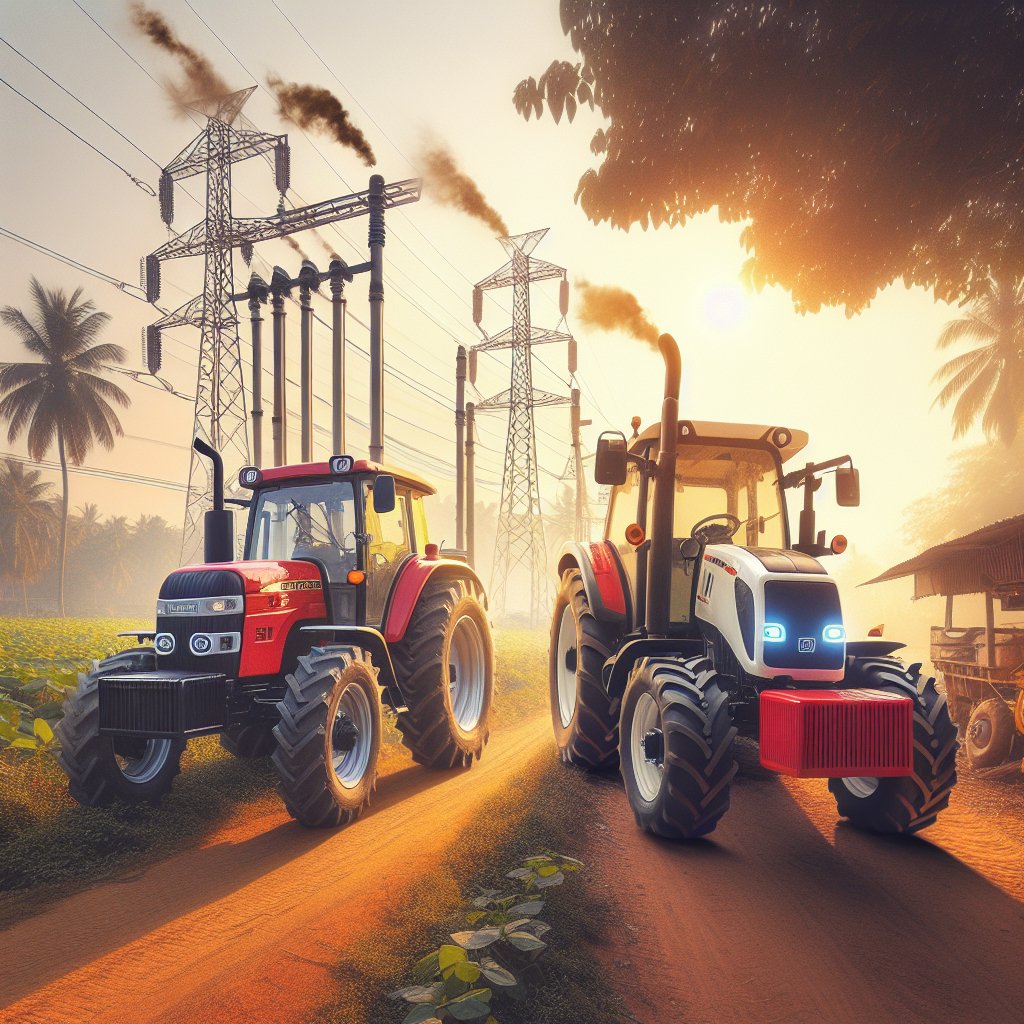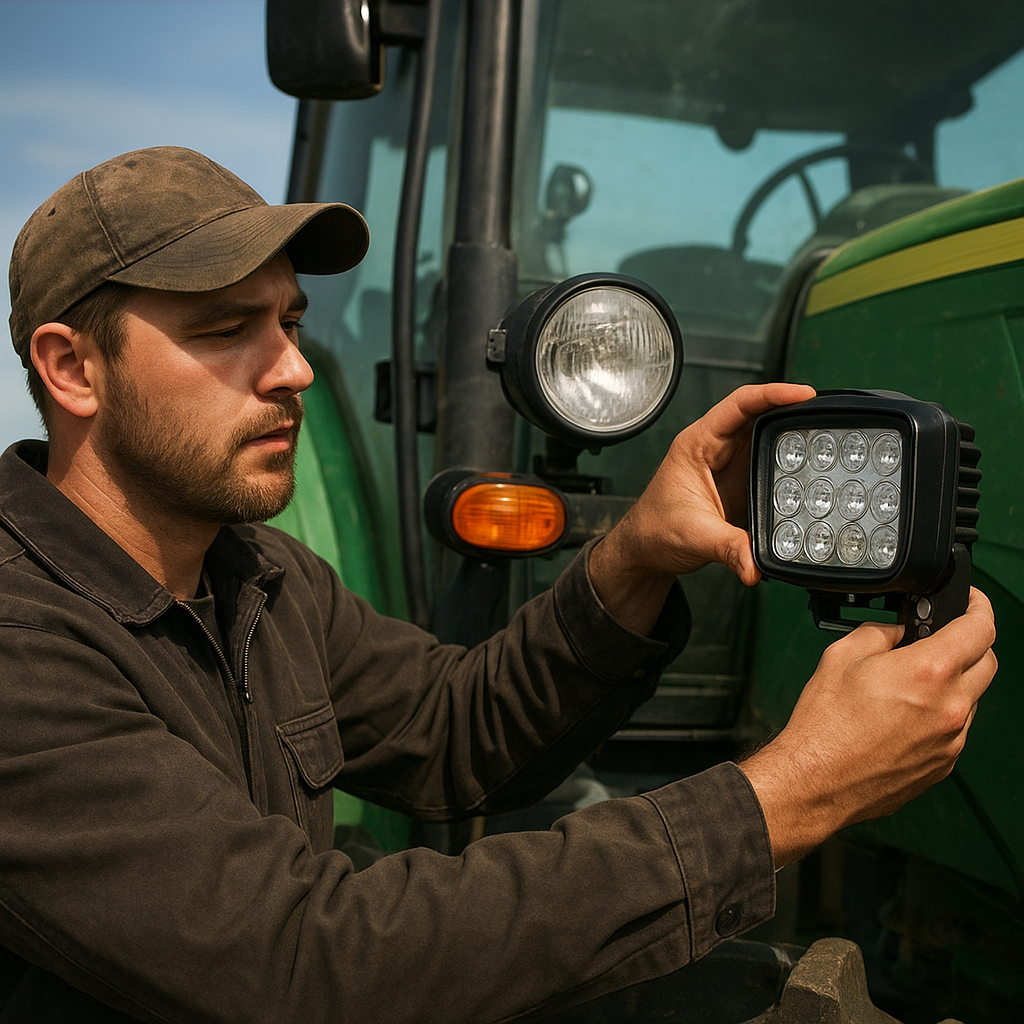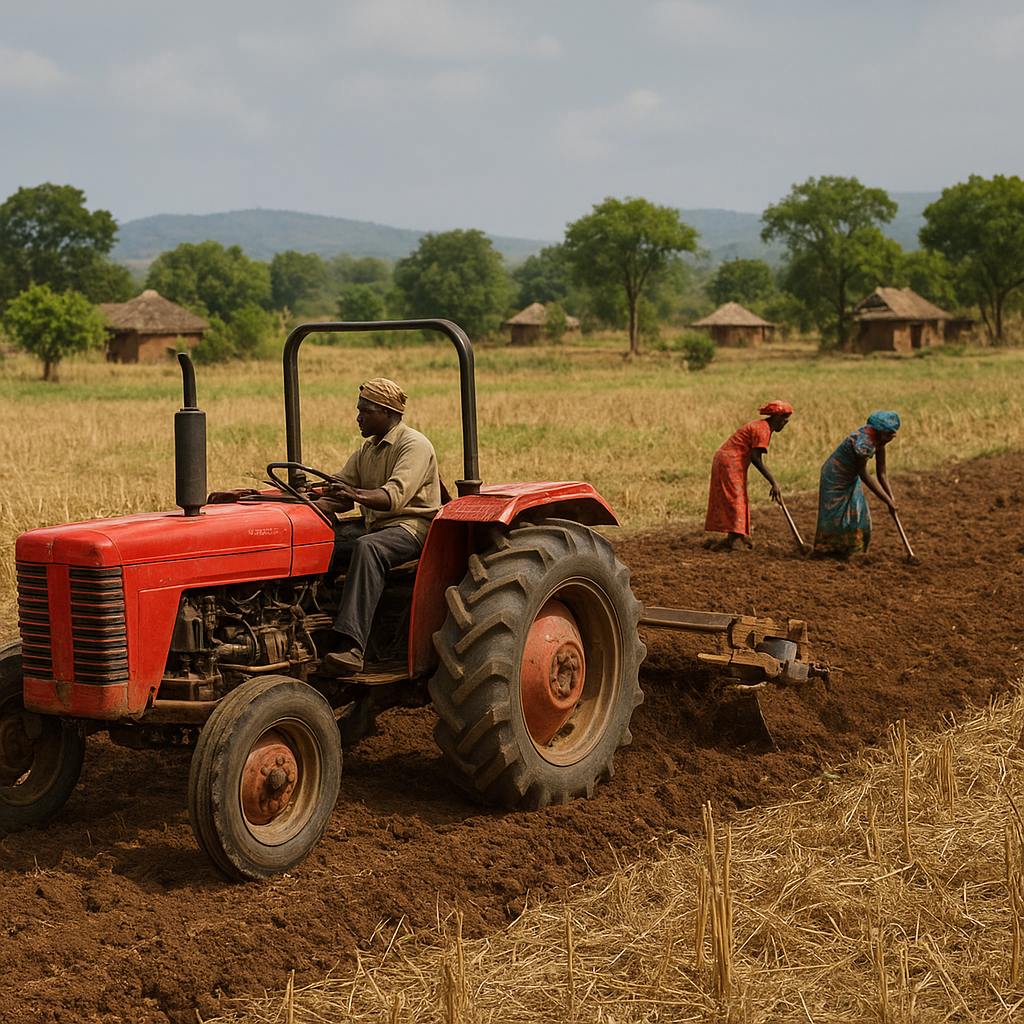
The increasing integration of mechanized tools in agriculture has transformed rural landscapes across many developing nations. The introduction of reliable, cost-effective farm machinery has reshaped traditional farming practices, ushering in improved yields, reduced labor demands, and heightened resilience against climate uncertainties. This article delves into the multifaceted role of tractors in developing countries, examining their contributions to productivity, social structures, and the sustainability of rural communities.
Mechanization and Productivity
Mechanization marks one of the most significant shifts in agricultural evolution. For centuries, smallholder farmers relied on manual labor or draft animals for plowing, planting, and harvesting. The adoption of tractors has accelerated land preparation, enabling farmers to cultivate larger areas with precision and speed. Advances in tractor design, such as adjustable plow depths and efficient fuel consumption, have enhanced efficiency and crop performance. In particular:
- Improved Soil Preparation: Modern tractors equipped with multi-purpose implements loosen compacted soil, promote aeration, and support healthy root growth.
- Timely Planting: Precision seeders attached to tractors ensure uniform depth and spacing, reducing seed waste and improving germination rates.
- Enhanced Harvesting: Harvesters and balers reduce post-harvest losses and keep grains, legumes, and tubers free from pest damage.
Several case studies highlight these gains. In parts of South Asia, the shift from manual plowing to small tractors has cut land preparation time by over 60%. In East Africa, collaboration between cooperatives and microfinance institutions has made accessibility to tractors feasible for communities previously deprived of mechanized services.
Technological Innovations
Emerging technologies in tractor design promote sustainability and resilience. Examples include:
- Solar-assisted engines that reduce fuel dependency and carbon emissions.
- GPS-enabled guidance systems for precision farming, minimizing seed overlap and fertilizer run-off.
- Modular implements that adapt to multiple crops, from cereals to horticultural produce.
These innovations enhance yield predictability and reduce environmental footprints, supporting broader goals for climate-smart agriculture.
Economic and Social Impact
A functioning agricultural sector is the backbone of many developing economies. By introducing tractors into rural areas, nations witness ripple effects throughout local markets. The infusion of mechanization fosters new forms of employment, stimulates demand for repair services, and drives the emergence of agro-tourism. Key social and economic outcomes include:
- Rural Employment: While tractors replace some manual tasks, they generate jobs in machinery operation, maintenance, and distribution networks.
- Income Diversification: Farmers can lease unused land to neighboring smallholders, creating rental income and efficient land use.
- Food Security: Higher and more reliable yields translate into stable grain stocks and improved nutrition for rural households.
Community Empowerment
Access to mechanized services often hinges on collective action. Farmer groups and cooperatives negotiate favorable rates for hiring tractors during peak seasons. Such arrangements nurture livelihoods by:
- Pooling capital to purchase or rent larger machines.
- Organizing training sessions on safe operation and routine upkeep.
- Strengthening governance and decision-making within the community.
These models instill confidence among smallholders, empowering them to experiment with new crops and adopt improved agronomic practices.
Challenges and Future Prospects
Despite clear benefits, widespread tractor adoption faces several hurdles. Market distortions, lack of financing, and inadequate service networks restrict the positive impact of mechanization. Common challenges include:
- High Upfront Costs: The initial purchase price of a tractor and implements can exceed the financial capacity of many small-scale farmers.
- Maintenance Gaps: In regions lacking certified mechanics, downtime due to mechanical failures can be prolonged.
- Infrastructure Limitations: Poor roads and limited fuel supply chains hinder timely access to remote areas.
Policy and Financial Interventions
Governments and development agencies play a crucial role in overcoming these barriers. Effective strategies encompass:
- Subsidies or tax incentives to bring down the cost of acquisition.
- Credit schemes tailored to smallholder repayment capacities, often incorporating grace periods aligned with harvest cycles.
- Extension services that deliver hands-on training in preventive maintenance and operational safety.
Such interventions lay the groundwork for sustained mechanization and catalyze innovation in rural finance.
Looking Ahead
The future landscape of agriculture in developing countries will reflect the synergy between human ingenuity and mechanized support. Ongoing research into alternative power sources, such as biofuels and electric motors, promises to further reduce external dependencies. Strategic collaborations between private manufacturers and public institutions can tailor tractor models to regional conditions, ensuring that each machine aligns with local soil types, crop patterns, and cultural preferences. Ultimately, the journey toward fully mechanized agriculture must balance technological advancement with social inclusion, fostering genuine empowerment for rural communities worldwide.