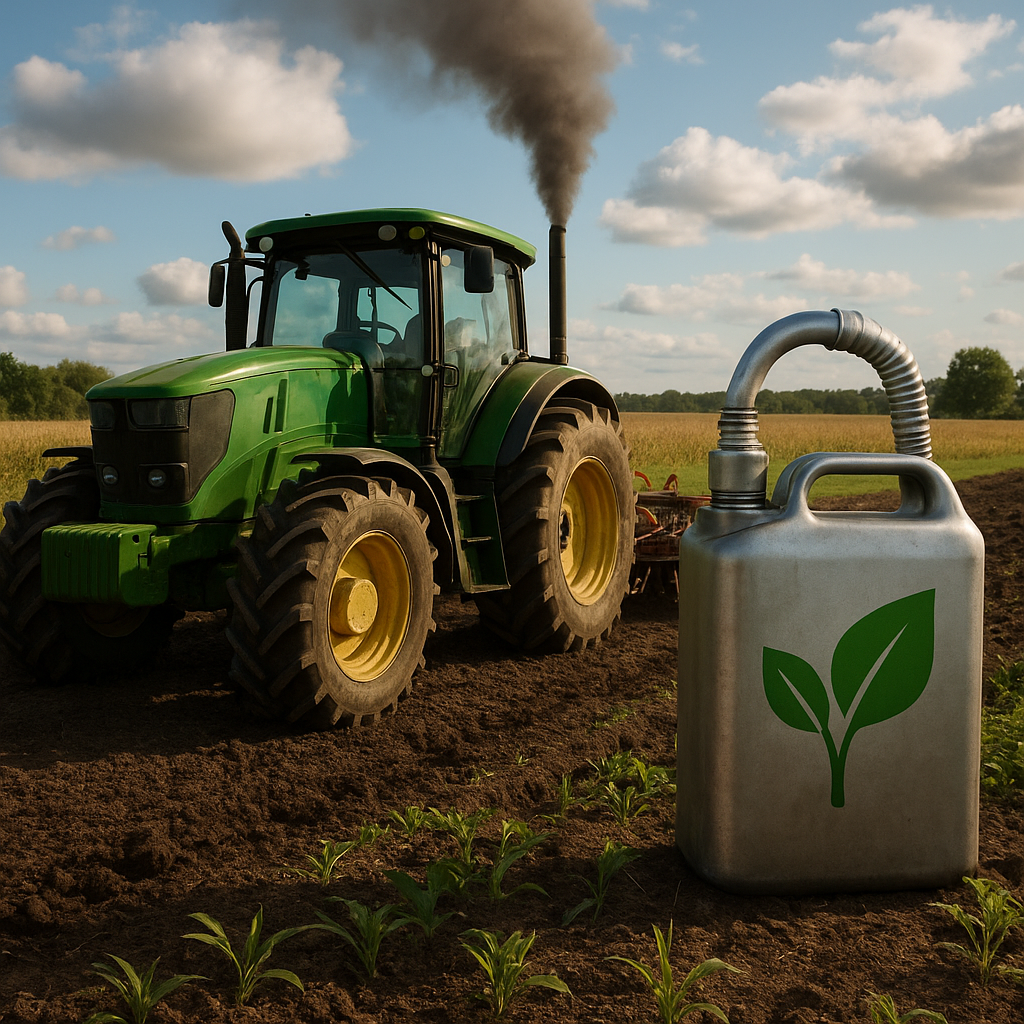
The agricultural revolution has always been powered by the relentless quest for greater efficiency and enhanced performance. Today, the spotlight falls on the integration of renewable fuels in tractor engines, a change driven by the pressing need for sustainability in modern agriculture. This article explores the evolution of farm machinery, the various types of alternative fuels available, and the wide-ranging implications of this transformative technology for the environment and rural economies.
Historical Development of Farm Engines
From the early steam-powered traction engines of the 19th century to the advanced four-wheel-drive tractors of the 21st century, the journey has been marked by continuous innovation. Initial models relied on coal or wood to generate steam, offering farmers unprecedented capability but limited mobility. With the advent of the internal combustion engine, diesel quickly became the fuel of choice, praised for its high energy density and reliability. However, diesel engines also brought rising concerns over emissions and fossil fuel dependency.
Early Experiments with Alternatives
- Vegetable oil trials in the early 20th century, often without proper refining
- Attempts to adapt engines for ethanol blends, hampered by corrosion and low energy content
- Limited success with kerosene substitution during fuel shortages in wartime
While these experiments were pioneering, they often suffered from technical setbacks. Carburetors and injectors, designed for pure petroleum fuels, clogged or wore out quickly when exposed to unrefined bio-oils. It wasn’t until modern technology enabled precision fuel delivery and robust materials that true progress became possible.
Renewable Fuel Types and Engine Innovations
Advancements in chemistry, materials science, and engine design have paved the way for several viable renewable fuel options. Farmers and equipment manufacturers are now collaborating closely to ensure that engines can seamlessly run on sustainable alternatives with minimal performance trade-offs.
Common Biofuel Varieties
- Bioethanol: Produced from sugarcane, corn, or cellulosic biomass; typically blended with diesel at low ratios to improve combustion.
- Biodiesel: Derived from vegetable oils or animal fats; compatible with existing diesel engines with minor modifications.
- Hydrotreated Vegetable Oil (HVO): A high-grade, paraffinic biofuel that meets diesel standards and offers excellent cold-flow properties.
- Bio-LNG: Liquefied natural gas from anaerobic digestion of organic waste, utilized in specialized spark-ignited or dual-fuel engines.
Key Engine Modifications
To fully harness these fuels, manufacturers have introduced upgrades:
- High-pressure common-rail injectors designed for varying viscosity levels
- Enhanced corrosion-resistant seals and fuel lines
- Optimized combustion chambers for lower ignition delay and more complete burning
- Electronic control units (ECUs) with adaptive maps for different fuel blends
These modifications ensure that tractors maintain or exceed original power ratings while achieving significant reductions in emissions. Many modern models feature on-board sensors to monitor fuel quality in real time, automatically adjusting injection timing and pressure.
Environmental and Economic Impacts
Transitioning to renewable fuels carries profound consequences for both the planet and farm economics. While upfront costs and infrastructure challenges remain, long-term benefits often outweigh initial investments.
Environmental Benefits
- Reduced carbon footprint: Up to 90% lower lifecycle CO₂ emissions with certain biofuels
- Lower particulate matter and NOₓ output, improving air quality in rural communities
- Less reliance on finite fossil resources, contributing to global energy security
- Supporting circular economy principles by converting crop residues and waste oils into fuel
Numerous case studies reveal that farms employing B100 (100% biodiesel) or high-level ethanol blends report marked improvements in soil health, thanks to reduced chemical residue deposition from exhaust gases.
Economic Considerations
Farmers must weigh several factors when adopting renewable fuels:
- Initial investment in modified engines or conversion kits
- Availability and price volatility of local feedstocks
- Potential subsidies and government incentives aimed at decarbonizing agriculture
- Operational savings from lower fuel taxes and maintenance costs due to cleaner combustion
Regions with strong policy support and established biofuel supply chains see shorter payback periods—often less than three years. Additionally, on-farm biofuel production facilities enable farmers to capture more value from their land, turning otherwise discarded materials into a revenue-generating commodity.
Challenges and Future Prospects
Despite the optimism, several hurdles remain. Feedstock competition with food crops, logistical complexities in distribution, and the need for universal fuel quality standards can impede widespread adoption. Adaptation strategies include developing second- and third-generation biofuels based on non-food biomass, algae, or even synthetic biology approaches.
Ongoing research focuses on:
- Genetically engineered microbes to produce high-energy hydrocarbons
- Advanced catalysts for lower-temperature fuel processing
- Modular, mobile refining units for on-site fuel production
- Integration of solar and wind energy in biofuel conversion facilities
Such innovations promise a more resilient agricultural sector that aligns with national and global decarbonization goals, shaping a cleaner, more productive future for farming communities worldwide.