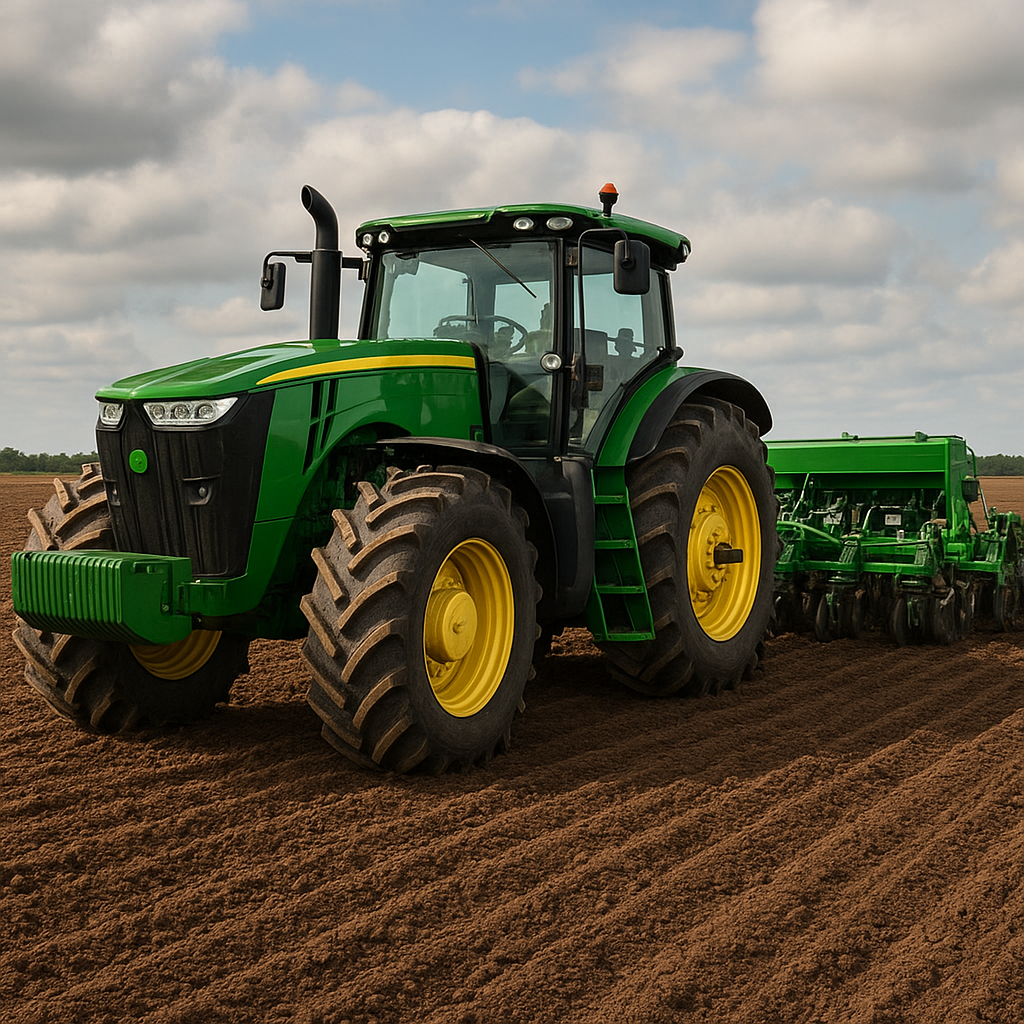
Articulated tractors represent a significant stride in agricultural and construction machinery, offering distinctive capabilities that cater to demanding terrains and diverse tasks. By integrating a pivot point between front and rear chassis sections, these vehicles deliver unparalleled maneuverability and exceptional load distribution. Farmers and contractors increasingly rely on these machines to maximize productivity, especially in conditions where conventional rigid-frame tractors fall short.
Design and Maneuverability
The hallmark of an articulated tractor lies in its dual-frame configuration, connected via a central articulation joint. This setup allows the front and rear halves to pivot independently, resulting in a tighter turning radius and superior control on uneven ground.
Chassis and Pivot Mechanism
The central pivot assembly constitutes a robust combination of bearings, hydraulic rams, and structural beams. When the operator turns the steering wheel, hydraulic pressure actuates the ram, altering the angle between the two frames. This design spreads the tractor’s weight more evenly, reducing soil compaction and enhancing traction under heavy loads.
Enhanced Steering Dynamics
Unlike traditional steering systems that rely solely on front-wheel articulation, these tractors channel input forces directly through the articulation joint. This directly improves the vehicle’s response in tight rows, forest trails, or urban job sites where every inch of space counts. As a result, operators experience a reduced turning circle by up to 25%, according to industry tests.
Power, Performance and Efficiency
Articulated machines often come equipped with high-displacement engines, delivering horsepower ratings that exceed 200 HP in many models. The integration between engine, transmission, and hydraulic systems plays a crucial role in how effectively the tractor converts fuel into usable force.
Engine Output and Powertrain
Manufacturers typically pair turbocharged diesel engines with advanced power-shift or continuously variable transmissions (CVTs). These transmissions allow seamless gear changes without interrupting torque delivery, ensuring steady performance when climbing slopes or pulling heavy implements. The synergy between engine controls and transmission logic optimizes overall output, offering a balance between raw powertrain capability and operator comfort.
Fuel Efficiency and Emissions
With tightening environmental regulations, modern articulated tractors incorporate after-treatment systems such as selective catalytic reduction (SCR) and diesel particulate filters (DPFs). These devices reduce NOx and particulate emissions, aligning with stringent Tier 4 or Stage V standards. Simultaneously, electronic fuel injection and variable geometry turbochargers help achieve fuel-use reductions of up to 10% compared to older, mechanically governed engines.
Operational Flexibility and Versatility
One of the standout features of articulated tractors is their capacity to handle a variety of implements and attachments without sacrificing stability. From large plows and cultivators to slurry spreaders and front loaders, these machines adapt to multiple roles across seasons.
- Versatility in Implement Mounting: Equipped with front and rear three-point hitches and power take-off (PTO) shafts, articulated tractors can run multiple attachments simultaneously.
- Adaptable Hydraulics: Load-sensing hydraulic circuits deliver precise flow rates, allowing implements to operate at peak efficiency.
- Customizable Wheel and Track Options: Users can select tires or rubber tracks to suit soil types, whether wet clay or dry sandy soils.
- Operator Station Adjustments: Ergonomic controls, adjustable seats, and climate-controlled cabs reduce fatigue during long shifts.
Economic and Environmental Considerations
Investing in an articulated tractor often represents a considerable financial commitment. However, when evaluating total cost of ownership, these machines can deliver strong returns through improved productivity and lower field-pass numbers.
- Upfront Cost vs. Productivity Gains: Although purchase prices exceed those of conventional tractors, articulated machines can reduce the number of passes required for soil preparation and harvesting, saving time and fuel.
- Resale Value: Durable frames and widely supported powertrains contribute to solid resale values in the used equipment market.
- Fuel Consumption: Advanced engine management systems keep fuel usage within competitive ranges, mitigating one of the largest operating expenses.
- Environmental Footprint: Reduced soil compaction leads to improved water infiltration and healthier crop yields, supporting sustainable farming practices.
Maintenance, Uptime and Longevity
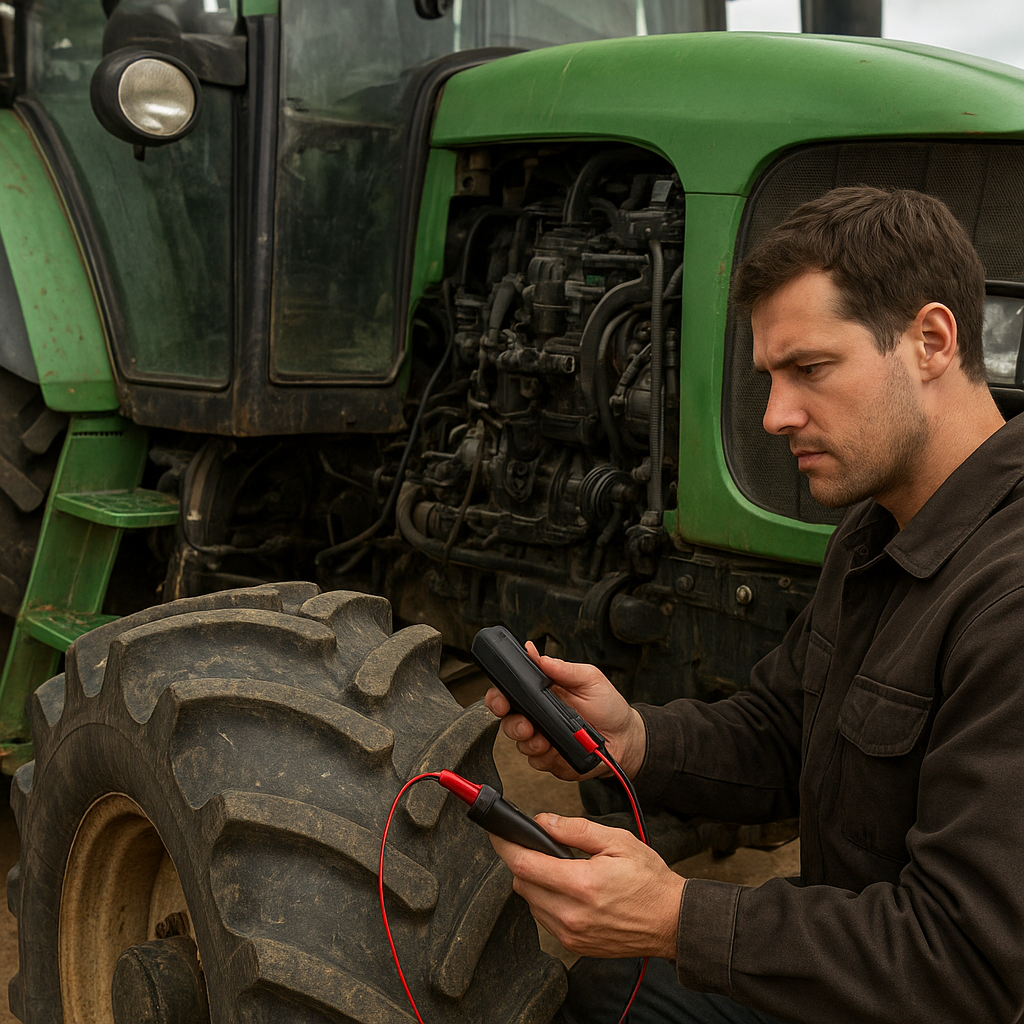
Maintaining an articulated tractor demands attention to both the engine and the articulation joint—two of the most critical and complex subsystems. Proactive maintenance strategies can significantly extend operational life and maximize uptime.
- Routine Inspections: Regular checks of pivot bushing wear, hydraulic fluid condition, and chassis weld integrity prevent costly breakdowns.
- Hydraulic System Health: Monitoring filter condition and fluid cleanliness ensures responsive steering and hitch function.
- Component Accessibility: Many manufacturers design service points—such as engine oil drains, air filters, and fuel filters—for ground-level access, speeding up routine tasks.
- Use of Genuine Parts: Opting for OEM pivot seals, bearings, and hydraulic components maintains the original durability and performance specifications.
- Telematics Integration: Remote monitoring systems track engine hours, fault codes, and fuel consumption in real time, aiding in predictive maintenance scheduling.
Comfort and Ergonomics
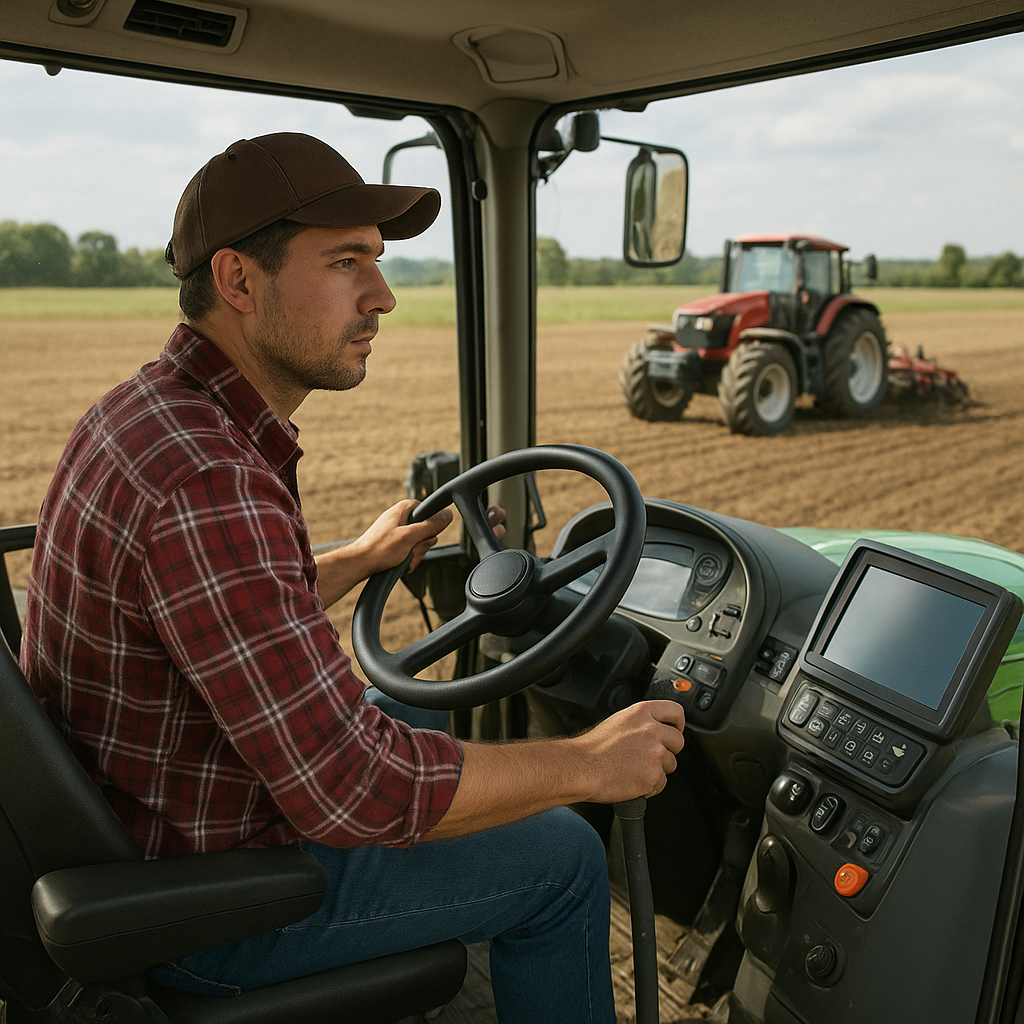
Spending long hours in the field places premium demand on cab comfort and control layout. Articulated tractors often feature air-suspended seats, reduced noise levels, and logically arranged consoles to accommodate operators of various statures.
- Climate Control Systems: Automatic heating and air conditioning maintain a consistent cabin temperature, reducing operator fatigue.
- Visibility Enhancements: Panoramic windshields, LED work lights, and optional camera kits provide 360-degree awareness around the machine.
- Intuitive Controls: Joysticks or multi-function levers centralize implement control, allowing hands-on operation without excessive movement.
- Information Displays: Color touchscreens and digital dashboards relay performance data, GPS guidance information, and camera feeds.
Future Innovations and Trends
Advances in autonomous operation, electric drive systems, and advanced materials are set to redefine articulated tractor capabilities. Electric-hybrid powertrains promise to reduce noise and emissions further, while AI-driven steering systems may soon offer hands-free field navigation. Meanwhile, the integration of lightweight composites could cut overall machine weight, enhancing both efficiency and soil protection.
Conclusion
With their distinctive articulation joint, high-horsepower engines, and adaptable attachments, articulated tractors fulfill a vital role in modern farming and land management. From tackling steep slopes to hauling heavy implements, these machines exemplify the intersection of robust engineering and operator-focused design, ensuring they remain at the forefront of agricultural innovation for years to come.