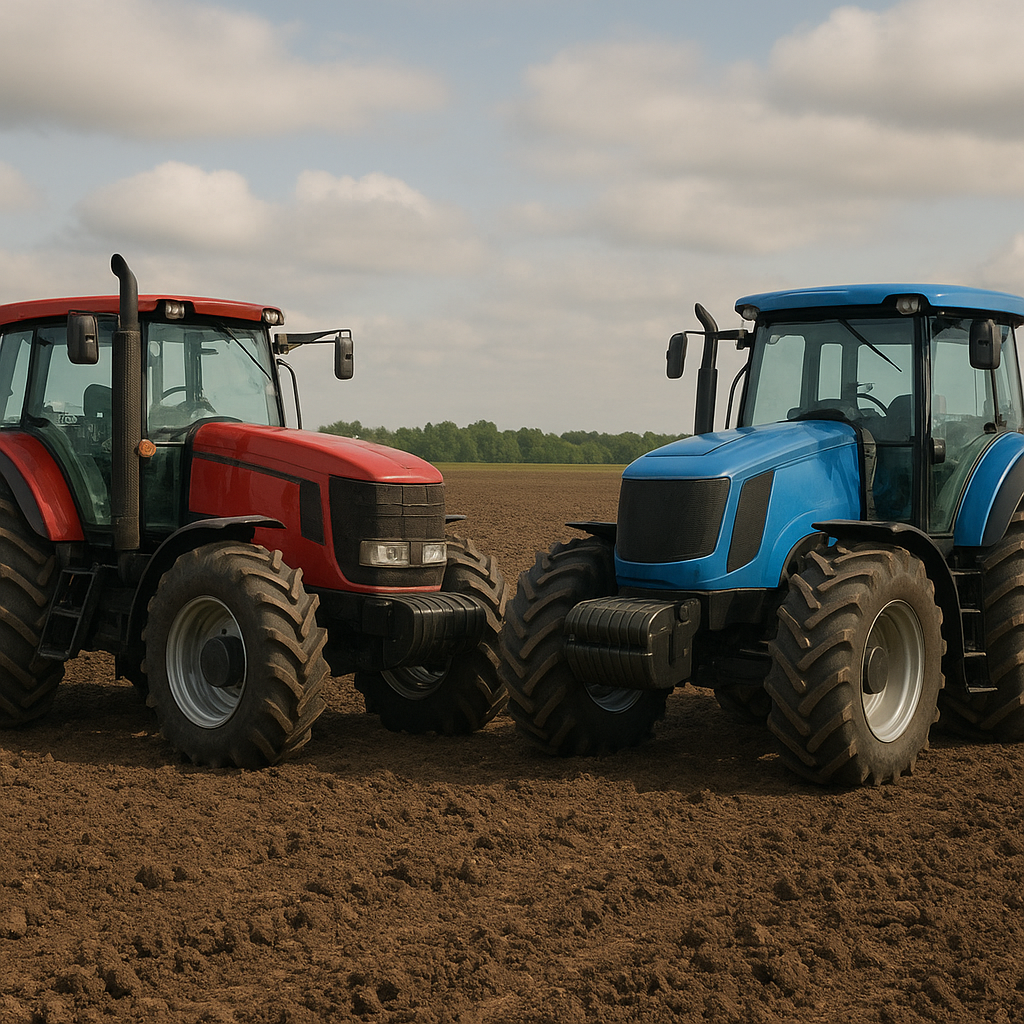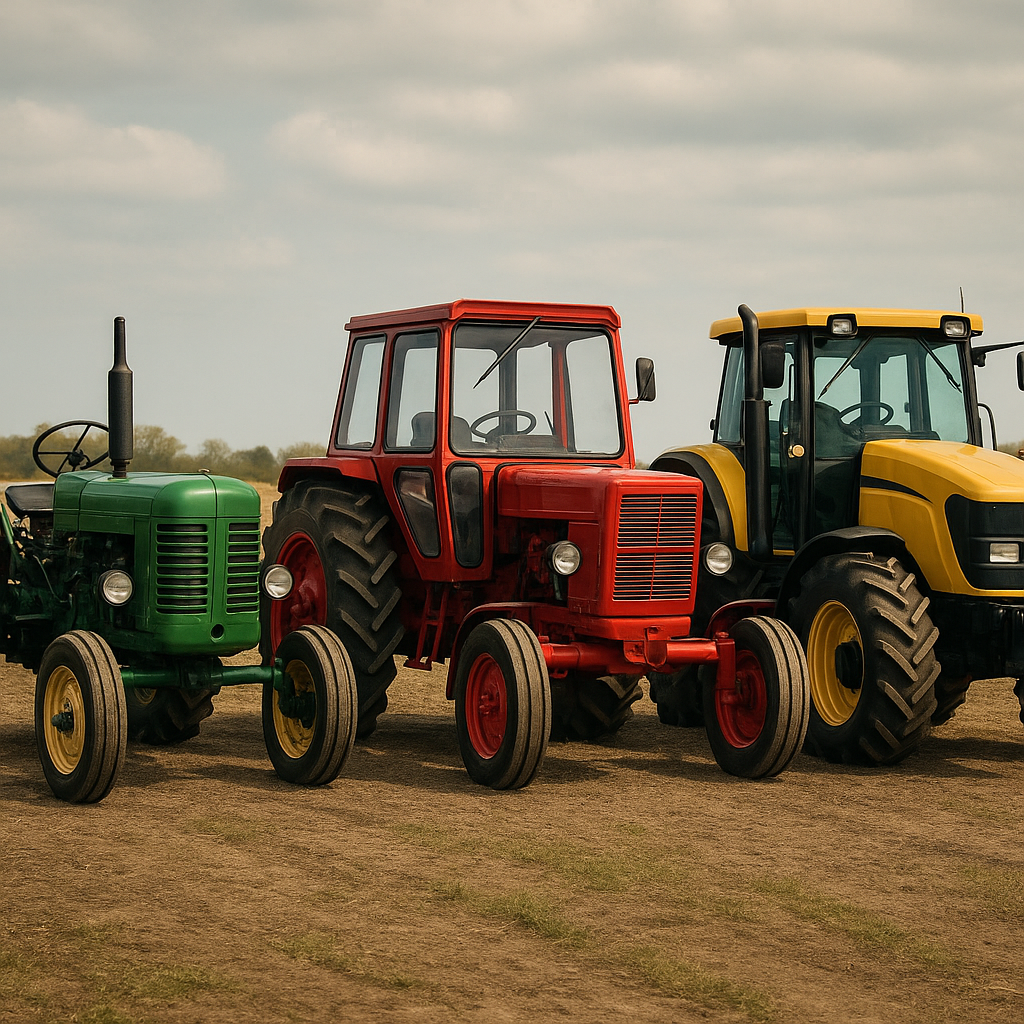
The quest for the most reliable farm machinery has spurred decades of innovation and fierce competition among manufacturers. From humble beginnings to cutting-edge models, the evolution of tractors has been driven by the pursuit of unmatched performance and unwavering durability. This article delves into the history, highlights standout contenders, explores critical design features, and underscores the importance of proper maintenance for ensuring a long service life.
History of Tractor Reliability
The origins of mechanized farming date back to the early 20th century, when pioneers sought to replace horse-drawn implements with self-propelled machines. Early prototypes were often prone to breakdowns, but they laid the groundwork for continuous improvements in engine design, drivetrain efficiency, and operator comfort.
- 1920s–1930s: Basic models used simple two-cylinder engines, offering farmers a glimpse of increased productivity.
- 1940s–1950s: Introduction of diesel power and hydraulic systems dramatically improved hauling capacity and versatility.
- 1960s–1970s: Rollbars, enclosed cabs, and power-shift transmissions became more common, boosting safety and operator ergonomics.
- 1980s–1990s: Electronics and fuel injection systems arrived, enhancing fuel economy and reducing emissions.
Through each era, a handful of brands emerged as benchmarks for dependable machinery, cementing their legacy in rural communities worldwide.
Top Contenders in Reliability
John Deere 4020
Often hailed as one of the greatest tractors ever built, the John Deere 4020 combined a robust six-cylinder diesel engine with a smooth power shift transmission. Its reputation for minimal downtime and ease of repair made it a favorite among farmers who needed a workhorse that could handle heavy tillage, planting, and hauling tasks.
Massey Ferguson 135
This versatile model became famous for its simplicity and adaptability. The Massey Ferguson 135 used a three-point hitch and a four-cylinder petrol or diesel engine that delivered consistent torque across varying workloads. Its straightforward mechanical design allowed for quick field repairs, contributing to its status as a symbol of reliability.
Ford 8N
Introduced in 1947, the Ford 8N revolutionized small-scale farming with features like the three-point hitch and live power take-off (PTO). Built with durable cast-iron components, the 8N’s straightforward hydraulic and electrical systems required little maintenance yet provided dependable operation for decades.
Kubota L Series
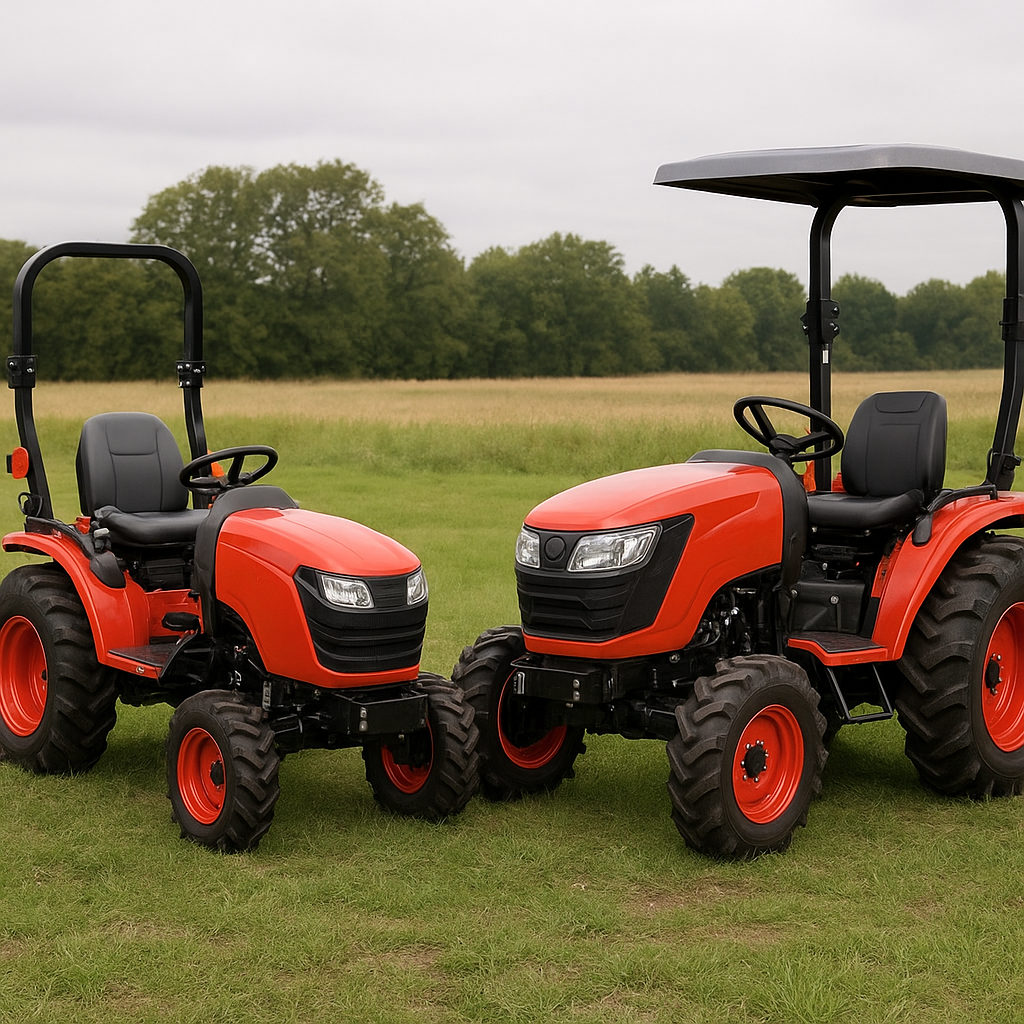
In more recent decades, the Kubota L Series has earned acclaim for its blend of modern technology and proven mechanical fundamentals. Equipped with electronic fuel injection, four-wheel drive, and comfortable cabs, these tractors excel in both utility and landscaping applications, showcasing how innovation can coexist with time-tested design.
Key Features of Durable Tractors
When evaluating a tractor’s potential lifespan, certain features consistently correlate with extended service life and reduced downtime. The following elements have proven essential in ensuring a machine can withstand rigorous agricultural demands:
- Rigid Frame Construction: A sturdy chassis minimizes flex under heavy loads and resists metal fatigue over thousands of hours of use.
- Efficient Cooling System: Proper heat management for the engine and transmission prevents overheating during long, hot days in the field.
- Sealed Drivetrain Components: Waterproof seals and robust bearings on axles, differentials, and gearboxes guard against contaminants like dust and moisture.
- Simplified Electronics: While advanced sensors and computerized controls add functionality, overly complex wiring can introduce failure points. A balanced approach ensures reliability without sacrificing capability.
- Accessible Service Points: Strategically placed oil drains, filter housings, and grease fittings reduce service time and promote regular upkeep.
Maintenance Practices for Maximum Longevity
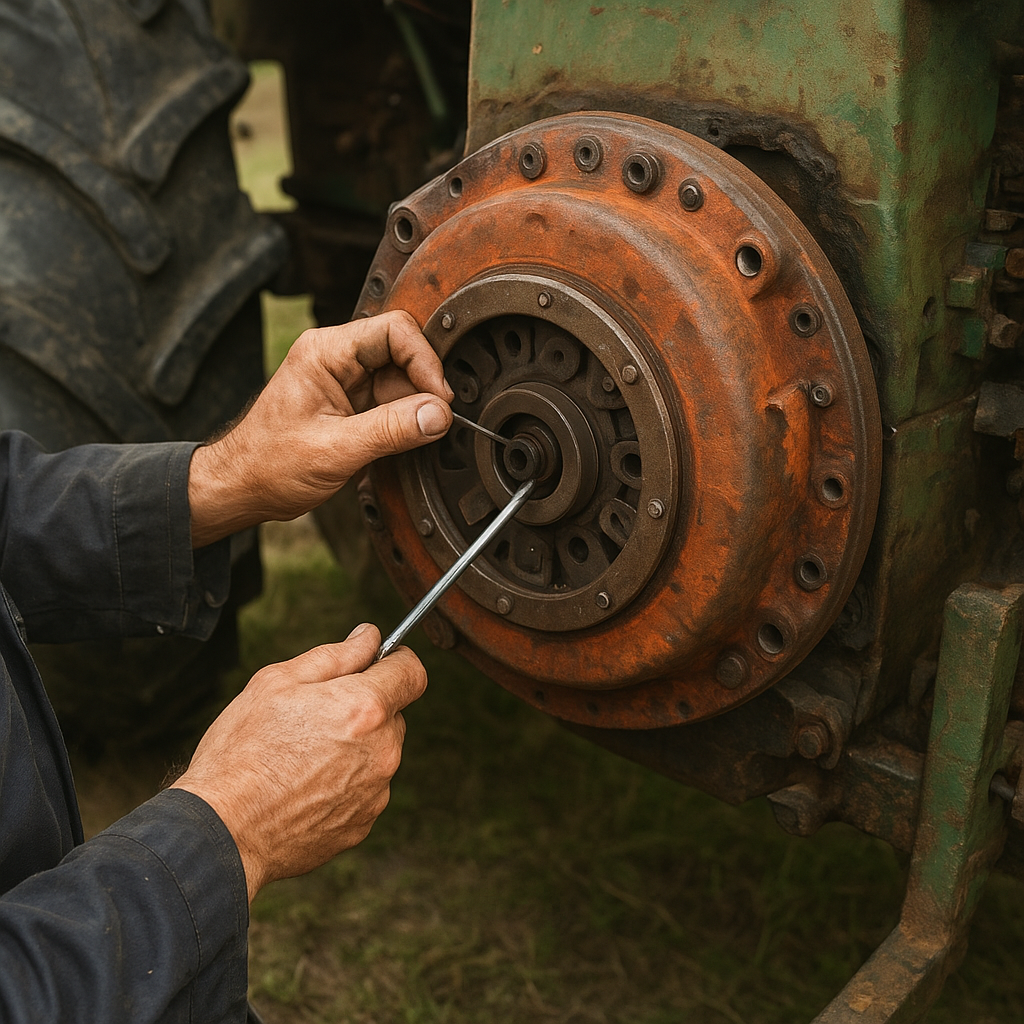
Even the most durable tractor can suffer premature failure if neglected. Establishing a routine maintenance schedule is critical for preserving mechanical health and operational readiness. Key tasks include:
- Regular Oil Changes: Fresh engine and hydraulic oil enhance lubrication, reduce wear, and carry away harmful particles.
- Filter Replacements: Air, fuel, and oil filters trap debris that would otherwise accelerate component damage.
- Inspection of belts, hoses, and seals for cracks or leaks, ensuring fluid integrity and preventing unexpected breakdowns.
- Greasing of chassis points, linkages, and PTO shafts to maintain smooth motion and reduce friction.
- Monitoring coolant levels and testing antifreeze concentration before extreme temperatures arrive.
Adhering to the manufacturer’s service intervals and using high-quality fluids and parts preserves warranty coverage and upholds resale value, reinforcing the machine’s long-term performance.
Future Trends in Tractor Reliability
As farms embrace precision agriculture and automation, reliability remains paramount. Emerging trends likely to shape the next generation of dependable tractors include:
- Telematics and Remote Diagnostics: Real-time data monitoring can predict failures before they occur, reducing unplanned downtime.
- Electric and Hybrid Drives: Simplified powertrains with fewer moving parts may offer lower maintenance demands and enhanced energy efficiency.
- Modular Components: Swappable power modules and universal mounting interfaces allow quick replacements, avoiding lengthy repairs in remote locations.
- Advanced Materials: Use of composites and high-strength alloys can reduce weight while improving structural integrity.
By integrating cutting-edge technology with proven mechanical foundations, future models promise to uphold and exceed the legendary reliability standards set by their predecessors.