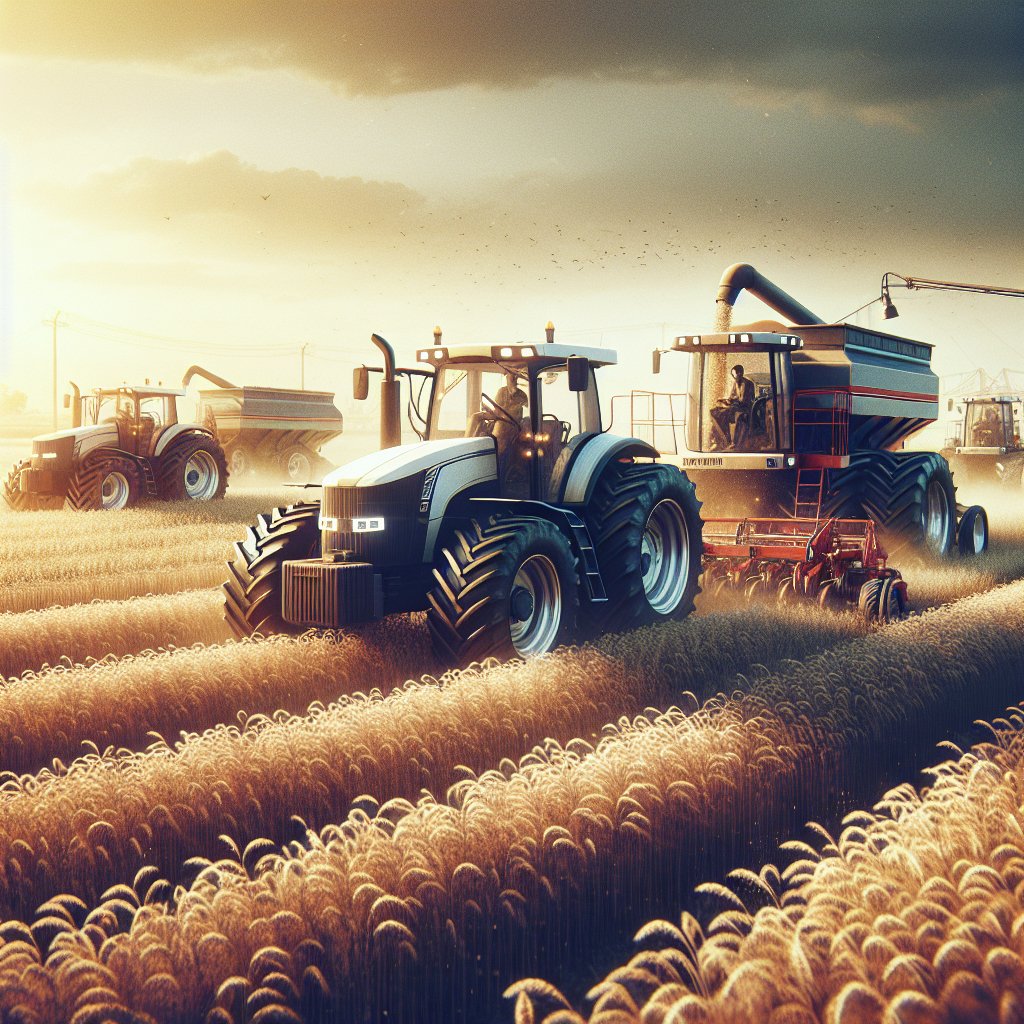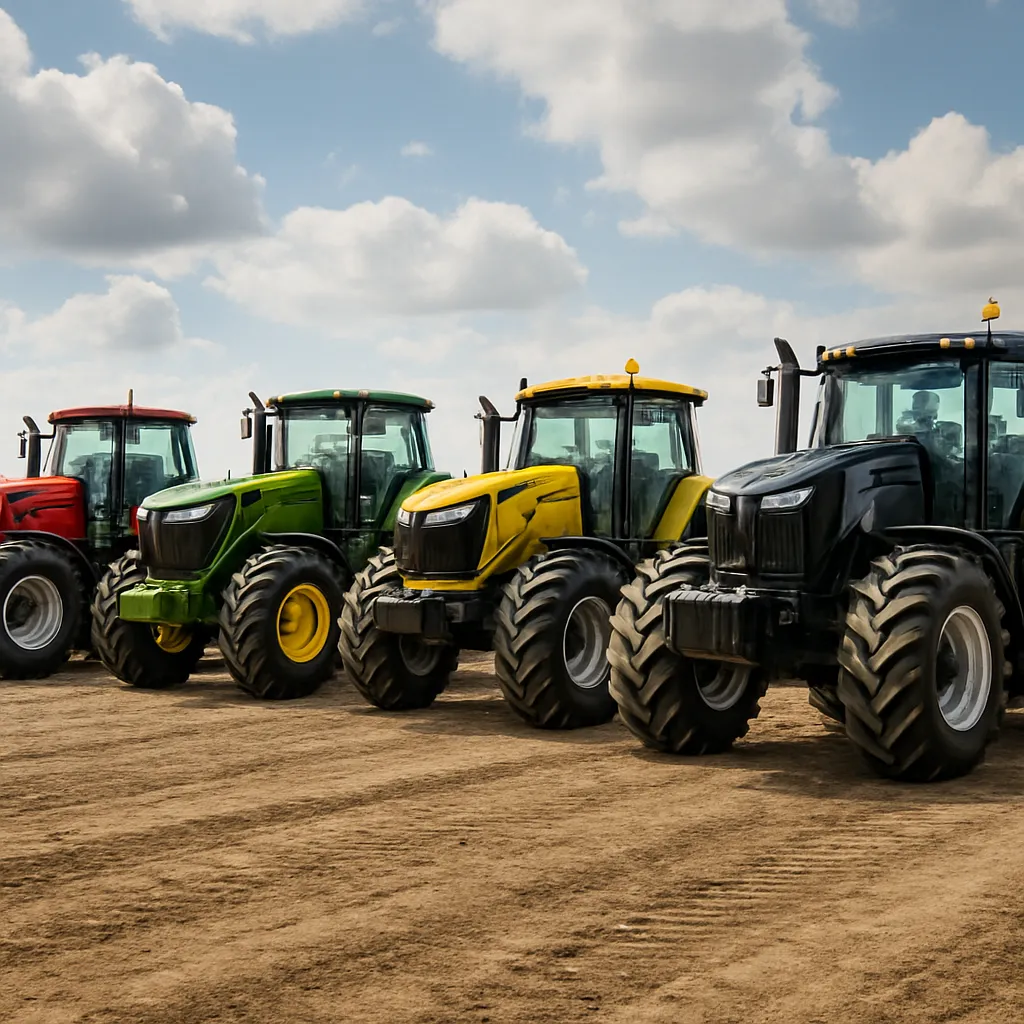
Tractors have revolutionized modern farming by combining brute strength with cutting-edge technology. From the earliest steam-powered machines to today’s GPS-guided giants, these agricultural workhorses continue to push the boundaries of powerful operation. This article explores the journey of tractor development, highlights some of the most awe-inspiring machines ever built, and examines the engineering breakthroughs that enable their extraordinary horsepower and torque.
The Evolution of Tractor Power
The transition from animal-drawn plows to mechanized farming marked a pivotal shift in rural life. Early 20th-century tractors were modest by today’s standards, delivering barely 20–30 HP. As industrial engines became more reliable, manufacturers like Ford, John Deere, and International Harvester began to experiment with larger diesel engines. By mid-century, tractors boasting 100–150 HP had become commonplace on large farms. Advancements in metallurgy, fuel injection, and turbocharging steadily increased output, paving the way for efficiency gains and enabling the cultivation of ever-larger fields.
Steam to Internal Combustion
- Late 1800s: Steam traction engines powered by coal or wood.
- 1910s–1930s: Emergence of gasoline tractors, enabling lighter, more versatility-oriented designs.
- 1940s–1960s: Diesel engines dominate thanks to superior fuel economy.
- 1970s–present: Turbocharging, electronic controls, and emissions systems reshape performance.
Landmark Models That Redefined Strength
Certain tractors stand out for shattering previous horsepower records and redefining what’s possible in the field. Below is a selection of the heaviest hitters in the tractor world:
- Big Bud 16V-747 – Dubbed the world’s largest farm tractor, this monster built in 1977 packs a whopping 1,100 HP. With dual rear wheels and a custom Cummins engine, Big Bud handles enormous plows and has become a legend in the annals of mechanization.
- Case IH Steiger Quadtrac 620 – Featuring 620 HP, four independent tracks, and a state-of-the-art CVXDrive transmission, the Quadtrac excels in traction and flotation on soft soils. It represents a balance of raw punch and terrain adaptability.
- John Deere 9620R – Delivering up to 620 HP, this four-wheel-drive beast integrates Active Command Steering and 50kW of electrical power to operate auxiliary equipment, emphasizing both strength and onboard precision guidance.
- Fendt 1050 Vario – With 517 HP from a six-cylinder engine and the seamless Vario stepless transmission, Fendt’s flagship model epitomizes balance between comfort, fuel savings, and continuous power delivery.
- New Holland T9.645 – Offering 645 HP and a unique 6WD configuration, the T9 series employs dual Clutch PowerShift technology and IntelliView displays to manage heavy tillage with minimal operator fatigue.
Engineering Innovations Driving High Horsepower
Behind every high-output tractor lies an array of advanced components and systems designed for durability and maximum performance. Modern engines use common-rail direct injection and variable geometry turbochargers to optimize air-fuel mixture under varying loads. Emission controls like SCR (Selective Catalytic Reduction) and DPF (Diesel Particulate Filters) keep output compliant with stringent regulations without sacrificing power.
Transmission Technologies
The gearbox is another pivotal area of innovation. Traditional manual transmissions have largely given way to powershift, continuously variable (CVT), and hydrostatic transmissions. These systems allow seamless shifts and constant power flow, eliminating the torque interruptions typical of gear changes and ensuring steady traction during demanding operations.
Advanced Hydraulics and Electronics
High-flow hydraulic pumps and precision electro-hydraulic controls manage implements requiring thousands of pounds of downforce. Integrated electronic control units (ECUs) monitor engine parameters, adjust injection timing, and coordinate traction management. The result is optimal fuel consumption, reduced slippage, and extended component life.
Practical Applications and Future Trends
Ultra-high-horsepower tractors find their niche in large-scale operations performing heavy-duty tasks: deep ripping, multi-pass seedbed preparation, and hauling massive grain carts. They also serve in non-farming roles, such as site preparation for large construction or renewable energy projects.
Autonomy and Precision Farming
Future tractors will blend immense power with self-driving capability. Autonomous systems guided by GPS, lidar, and machine learning can operate continuously, performing field chores with sustainability in mind. Variable-rate applications will adjust seed, fertilizer, and pesticide delivery on the fly, reducing waste and environmental impact.
Alternative Fuels and Electrification
As greenhouse gas concerns intensify, manufacturers are exploring hybrid drives and biofuels. Electric motors excel at delivering instant torque, and battery packs could handle low-load operations before switching to diesel or hydrogen fuel cells for heavy work. Such hybrid architectures promise quieter, cleaner fields and lower operating costs.
- Hydraulic hybrids store braking energy to boost plowing force.
- Fuel-cell prototypes aim for zero tailpipe emissions in remote areas.
- Modular attachments with onboard sensors optimize implement performance.
From steam beginnings to today’s GPS-steered giants, the tractor’s evolution is a testament to relentless innovation and adaptability. As fields grow larger and environmental pressures mount, the next generation of machines will demand even greater versatility while upholding farm productivity and resource stewardship. The saga of the most powerful tractors is far from over; it’s merely entering its most exciting chapter yet.