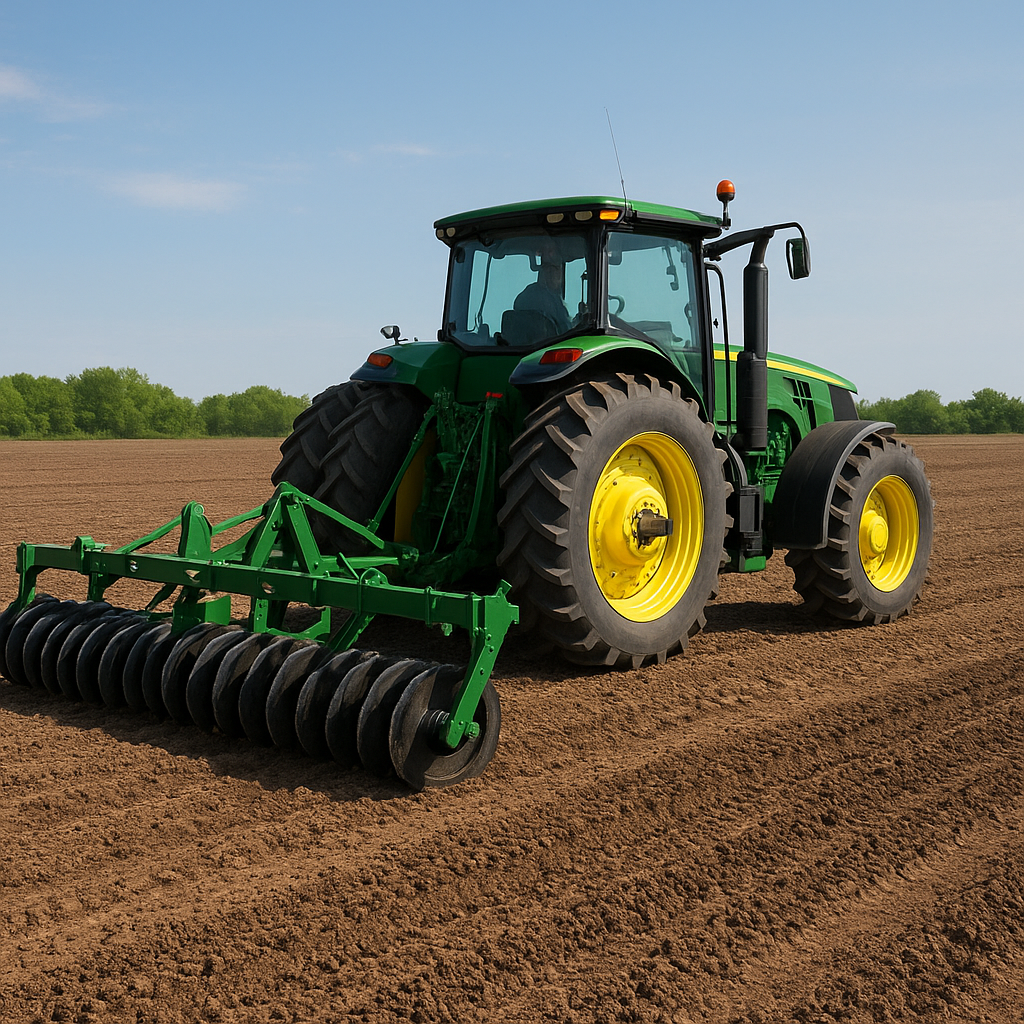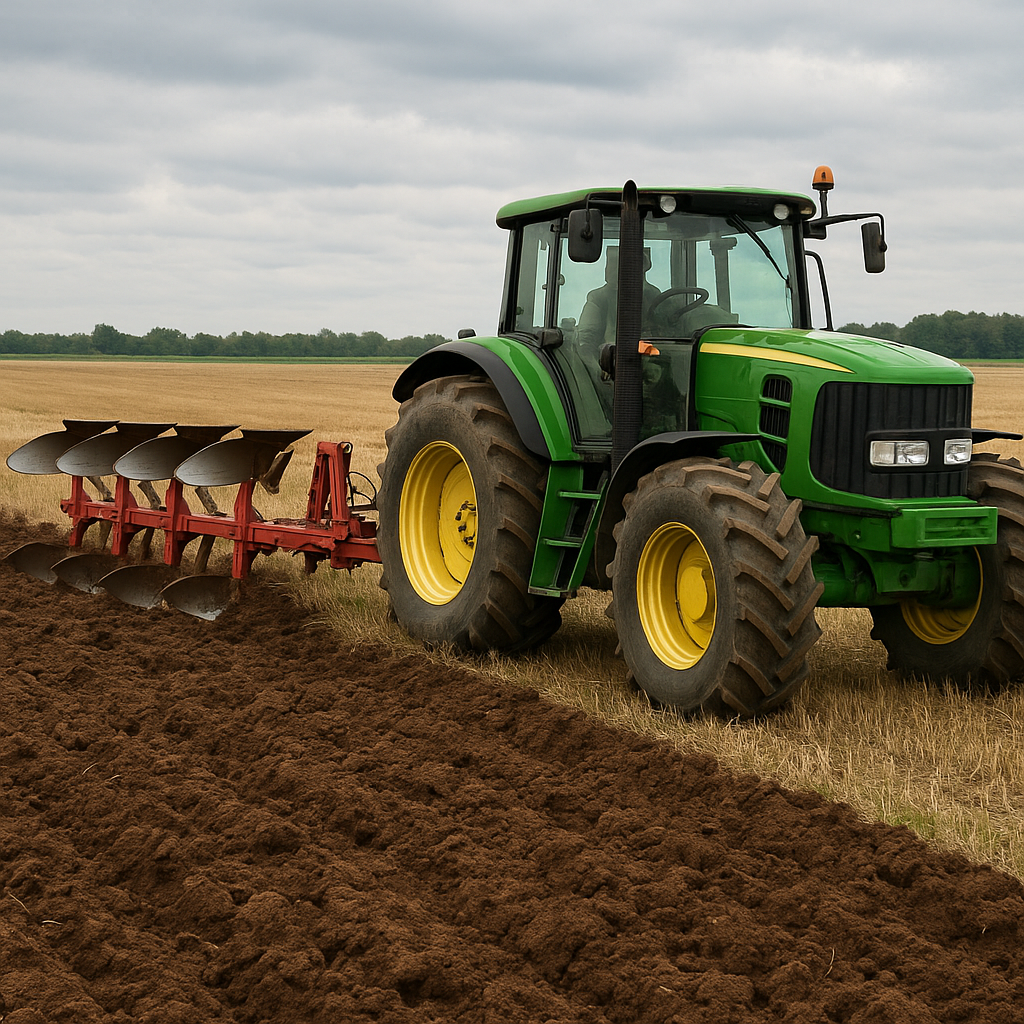
Achieving optimal tractor weight distribution is a foundational aspect of modern agricultural and industrial operations. When a tractor’s weight is properly balanced, it enhances stability, improves traction, reduces soil compaction, and prolongs equipment durability. This article examines the critical factors surrounding weight management, explores adjustment methods, and highlights safety considerations to help operators maximize both field performance and machine efficiency.
The Role of Weight Distribution in Tractor Stability
Weight distribution directly influences a tractor’s center of gravity and its ability to remain upright under load. An improperly balanced machine can be prone to tipping, especially on uneven terrain or steep grades.
Understanding Center of Gravity
Every tractor has a point known as the center of gravity, which is the average location of the vehicle’s mass. When attachments such as front loaders or rear implements are added, the center of gravity shifts. Operators must account for these shifts to maintain safe handling. A forward-placed load can cause excessive steering effort, while a rear-heavy setup can decrease front-wheel contact, compromising steering control.
Longitudinal vs. Lateral Balance
Longitudinal balance (front-to-rear) affects pulling power and hitch performance, whereas lateral balance (side-to-side) impacts rollover risk on slopes. The following factors play key roles:
- Implement placement – position and weight of attachments.
- Ballast weight – the addition of ballast to front or rear wheels.
- Tire pressure – balancing load across the axles.
Correctly balancing these factors ensures even load distribution and mitigates hazards associated with uneven terrain.
Enhancing Traction and Performance Through Weight Management
Optimal weight distribution is vital for improving traction, reducing wheel slip, and maximizing fuel efficiency. In the field, wheel slip not only wastes fuel but can damage soil structure and reduce overall productivity.
Minimizing Soil Compaction
Excessive weight on a small surface area increases ground pressure, which compacts soil layers. This compaction impedes root growth and water infiltration, leading to lower crop yields. By evenly distributing weight across dual wheels or tracks, operators can maintain adequate balance while preserving soil health.
Balancing Traction and Slip
Too little weight on drive wheels leads to excessive slippage and inefficiency. Conversely, too much weight can overload tires or tracks, causing premature wear. Many tractors feature adjustable ballast systems that allow operators to fine-tune rear-wheel weights in increments. Benefits include:
- Improved drawbar pull and traction in heavy draft work.
- Reduced engine load and lower fuel consumption.
- Enhanced implement performance for plowing, planting, and hauling.
Adjusting Weight Distribution: Methods and Best Practices
Several strategies enable precise control of tractor ballast and weight distribution. Employing the correct method for a given task is essential to unlock maximum performance and maintain machine integrity.
External Ballast Options
Front and rear wheel weights, often called “wheel weights,” can be quickly added or removed. Cast-iron weights stack securely on wheel rims, while suitcase-style weights attach to the three-point hitch. Key considerations include:
- Mounting procedure – ensuring secure attachment to avoid shifting during operation.
- Weight placement – distributing ballast to counterbalance heavy implements.
- Environmental conditions – adjusting ballast based on field moisture and terrain.
Internal Ballast and Fluid Filling
Some tractors allow tires to be filled with a dense solution, such as calcium chloride or urethane. This internal ballast lowers the center of gravity and prevents weights from shifting. Advantages include increased stability and improved ride comfort, with the tradeoff of slightly higher unsprung weight.
Hydraulic and Mechanical Linkage Adjustments
Modern tractors are equipped with advanced hydraulics and three-point hitch controls. By adjusting hydraulic pressure and top link settings, operators can raise or lower implements to influence weight transfer. Best practices involve:
- Using position control to fine-tune implement height and draft load.
- Monitoring hydraulic flow rates to ensure smooth hitch operation.
- Verifying linkage geometry aligns with manufacturer recommendations.
Impact on Safety and Equipment Longevity
Proper weight distribution is not only about field efficiency – it also plays a significant role in operator safety and machine longevity. Neglecting ballast can lead to hazardous situations and accelerated wear on components.
Rollover Prevention and Operator Protection
Rollover incidents are a leading cause of tractor-related injuries. An off-balance load shifts the center of gravity beyond the stability envelope, particularly during sharp turns or on side slopes. Implementing correct ballast reduces the risk of tip-over and protects the operator.
Wear and Tear on Drivetrain Components
Excessive weight on a single axle or side can overstress drive shafts, differentials, and wheel bearings. Uniform weight distribution ensures even load sharing across the drivetrain, extending component durability and reducing maintenance costs.
Prolonging Tire Life
Uneven weight loads accelerate tire tread wear and can cause irregular patterns such as scalloping or cupping. Proper ballast extends tire life by maintaining consistent contact pressure and reducing slippage. Operators benefit from lower replacement expenses and less downtime.
Integrating Weight Distribution into Routine Maintenance
Consistent monitoring and adjustments are key to sustaining optimal weight balance throughout the tractor’s service life. Adopting a proactive approach ensures that ballast settings remain aligned with operational demands.
Regular Inspection and Measurement
Routine checks of axle loads using portable scales or weigh pads help verify distribution. Log settings for various implements and field conditions to streamline future adjustments. Inspect wheel weights and hitch components for secure mounting and signs of fatigue.
Seasonal and Task-Based Adjustments
Different seasons and tasks require unique ballast configurations. Planting may demand lighter loads for minimal soil disturbance, while harvesting or heavy tillage often needs additional rear ballast for improved traction. Maintain a reference guide to expedite transitions between operations.
Training and Operator Awareness
Educating operators on the principles of weight distribution fosters safe and efficient practices. Encourage the use of onboard indicators, such as load-sensing hydraulics or implement draft meters, to provide real-time feedback on weight transfer and load conditions.
Conclusion
Mastering tractor weight distribution significantly impacts both field productivity and equipment lifespan. By understanding the principles of balance, fine-tuning ballast through trusted methods, and prioritizing regular maintenance, operators can achieve superior performance, enhanced safety, and greater efficiency across all agricultural and industrial applications.