Tractors remain at the heart of agricultural operations, where variable weather conditions play a significant role in determining their performance and overall productivity. Farmers and operators must navigate a complex interplay of temperature shifts, precipitation patterns, wind speeds, and soil moisture levels to maximize efficiency and ensure safe fieldwork. This article explores several key weather factors influencing modern tractor use, examines the technical challenges posed by adverse conditions, and outlines practical measures to preserve machine reliability and longevity.
Understanding Weather Variables Affecting Tractors
Various meteorological elements can directly or indirectly impact a tractor’s operational capabilities:
- Temperature extremes – both high and low – can affect engine start-up, fluid viscosity, battery life, and cab environment.
- Humidity levels influence condensation inside mechanical components, potentially leading to corrosion or electrical failures.
- Precipitation (rain, snow, sleet) alters ground conditions, affecting traction and increasing the risk of the tractor becoming bogged down.
- Wind speed and direction can hamper visibility, spread dust, and even affect the stability of mounted implements.
- Soil moisture content directly determines the effectiveness of plowing, seeding, and tillage operations.
By monitoring local weather forecasts and deploying on-board sensors, operators can anticipate challenges and adjust their field plans. Advanced telematics systems now integrate real-time climate data with machine diagnostics, offering insights on the ideal working windows and minimizing unplanned downtime.
Effects of Temperature Extremes on Tractor Operation
Tractors exposed to sub-zero conditions often face difficulty in engine ignition due to thickened oils and reduced battery capacity. In freezing weather:
- Use of winter-grade hydraulic and engine oils helps maintain proper lubrication.
- Installing block heaters and battery warmers improves cold starts and reduces strain on the electrical system.
- Pre-warming the cab environment enhances operator comfort and reaction time.
Conversely, excessive heat places stress on cooling circuits and air conditioning systems. High ambient temperatures can lead to:
- Overheating of the radiator and clogged cooling fins, which necessitate more frequent cleaning and maintenance.
- Accelerated wear of belts, hoses, and seals, increasing the likelihood of leaks.
- Degradation of hydraulic fluid properties, reducing implement response and overall efficiency.
Implementing temperature monitoring alarms and regular coolant checks are vital in preventing costly engine repairs. Many manufacturers now recommend digital thermostats and remote monitoring apps, enabling farmers to respond swiftly to overheating warnings.
Impact of Precipitation and Soil Conditions
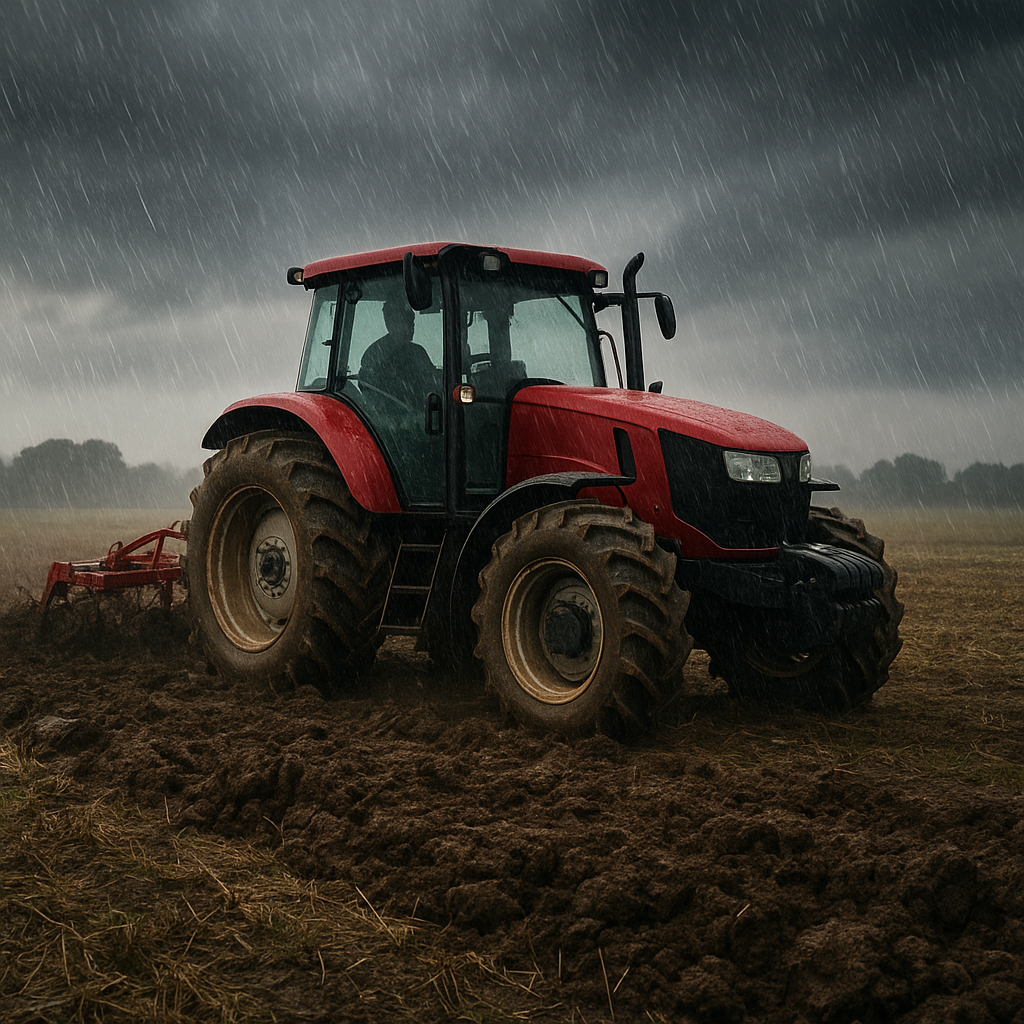
Rainfall intensity and soil saturation levels directly influence the tractor’s ground grip and maneuverability. During periods of heavy rain:
- Soil compaction risks increase if tractors operate on waterlogged fields, harming future crop yields.
- Reduced traction leads to slippage, fuel wastage, and uneven seed placement.
- Mounted implements such as plows and seed drills may clog, requiring frequent stoppages to clean debris.
Snow and ice introduce additional hazards. Low ground clearance can cause buildup around axles and undercarriages. Traction chains and dual tires can mitigate slip potential, but they demand extra attention to torque settings and wheel alignment.
Field drainage systems, including tile drains and surface ditches, are critical for expelling excess water. Incorporating controlled traffic farming techniques confines compaction to specific lanes, preserving the structural integrity of the majority of the field.
Wind, Visibility, and Operational Safety
Strong winds impact tractor stability, particularly when carrying tall loads or towing large implements. Dust storms during dry spells reduce visibility and pose health risks to operators:
- Installing cab filtration systems and air purifiers ensures clean cabin air.
- Fuel consumption tends to rise as engines work harder to maintain speed against wind resistance.
- Wind gusts may topple lightweight attachments; proper securing and lowering of booms are essential.
Fog and low-lying mist diminish sightlines, increasing collision risks with field obstacles or other vehicles. High-lumen LED work lights, reflective decals, and GPS-guided auto-steer systems enhance safety in low-visibility settings. Some modern tractors are equipped with radar or LiDAR sensors to detect obstacles and adjust speed automatically.
Technological Innovations for Weather Adaptation
To counter weather-induced challenges, manufacturers and third-party companies have introduced several groundbreaking solutions:
Smart Telematics and Forecast Integration
Systems now merge live weather feeds with telematics dashboards, alerting operators to upcoming frost, heat waves, or storms. Automated scheduling algorithms can then optimize work routines, reducing idle time and protecting soil health.
Adaptive Tire and Track Systems
Variable-pressure tires allow in-cab adjustment of inflation levels to suit wet or dry ground. Rubber tracks offer increased flotation in marshy areas, distributing weight evenly to prevent sinking.
Advanced Engine Management
Electronic control units adjust fuel injection timing and turbo boost in response to altitude and temperature changes, maximizing power output and minimizing emissions.
Overall, a holistic approach that combines preventive maintenance, real-time data analytics, and weather-sensitive operational planning is key to sustaining high tractor performance across seasons. By embracing these strategies, farmers can secure reliable results, reduce operational costs, and maintain their equipment in peak condition.