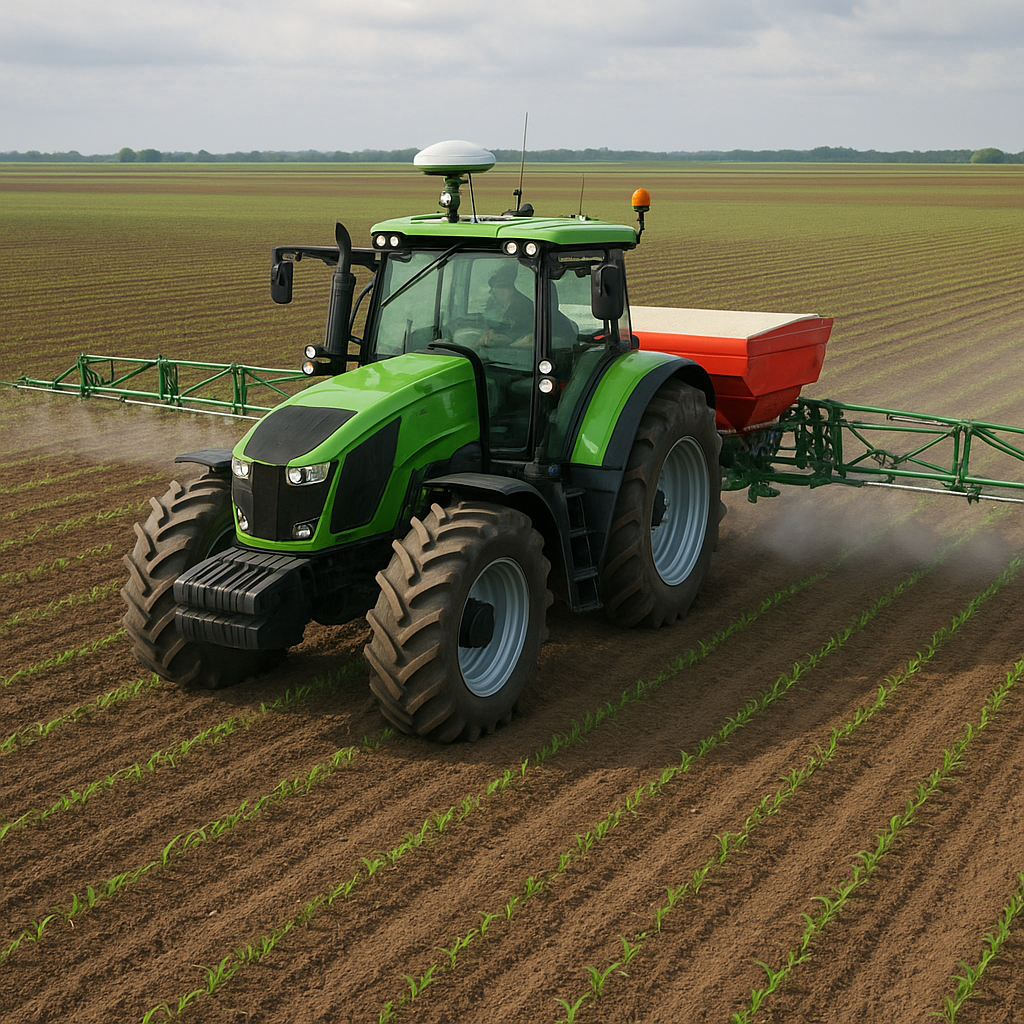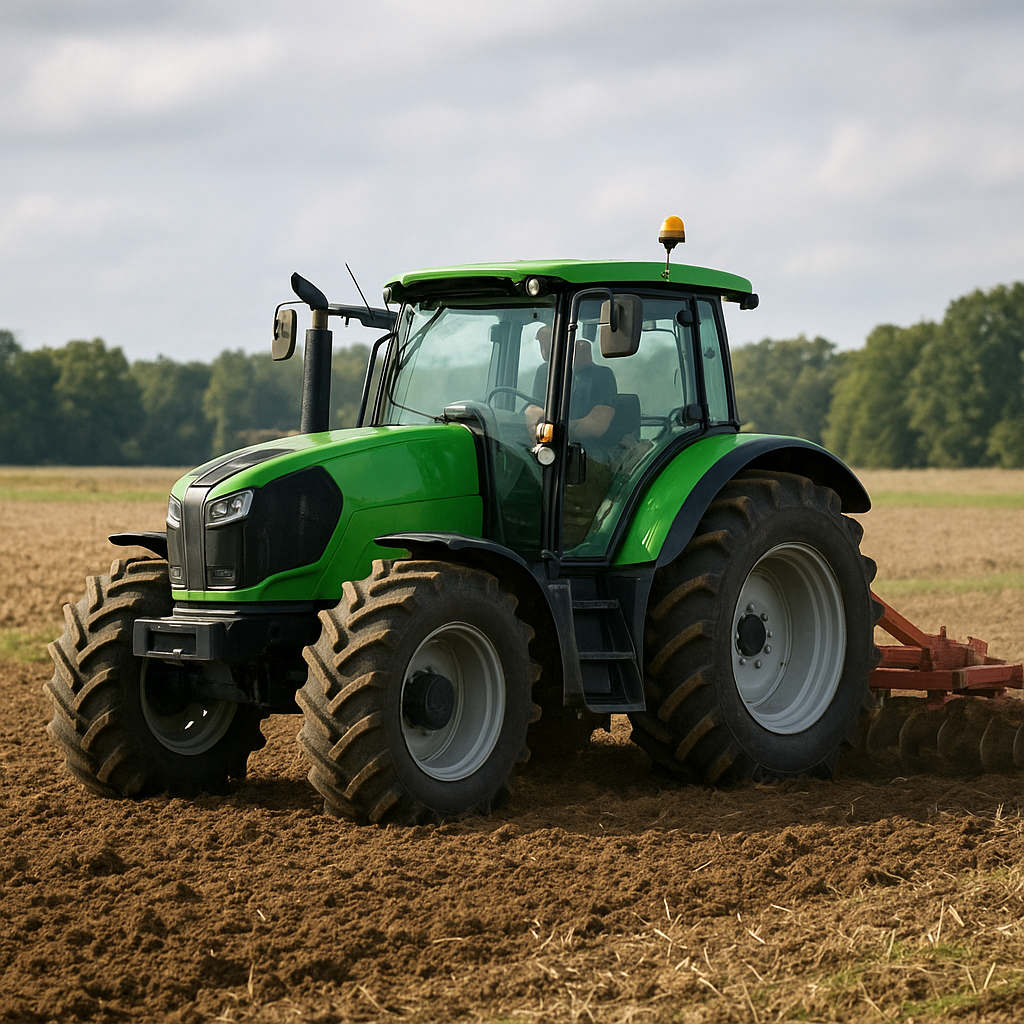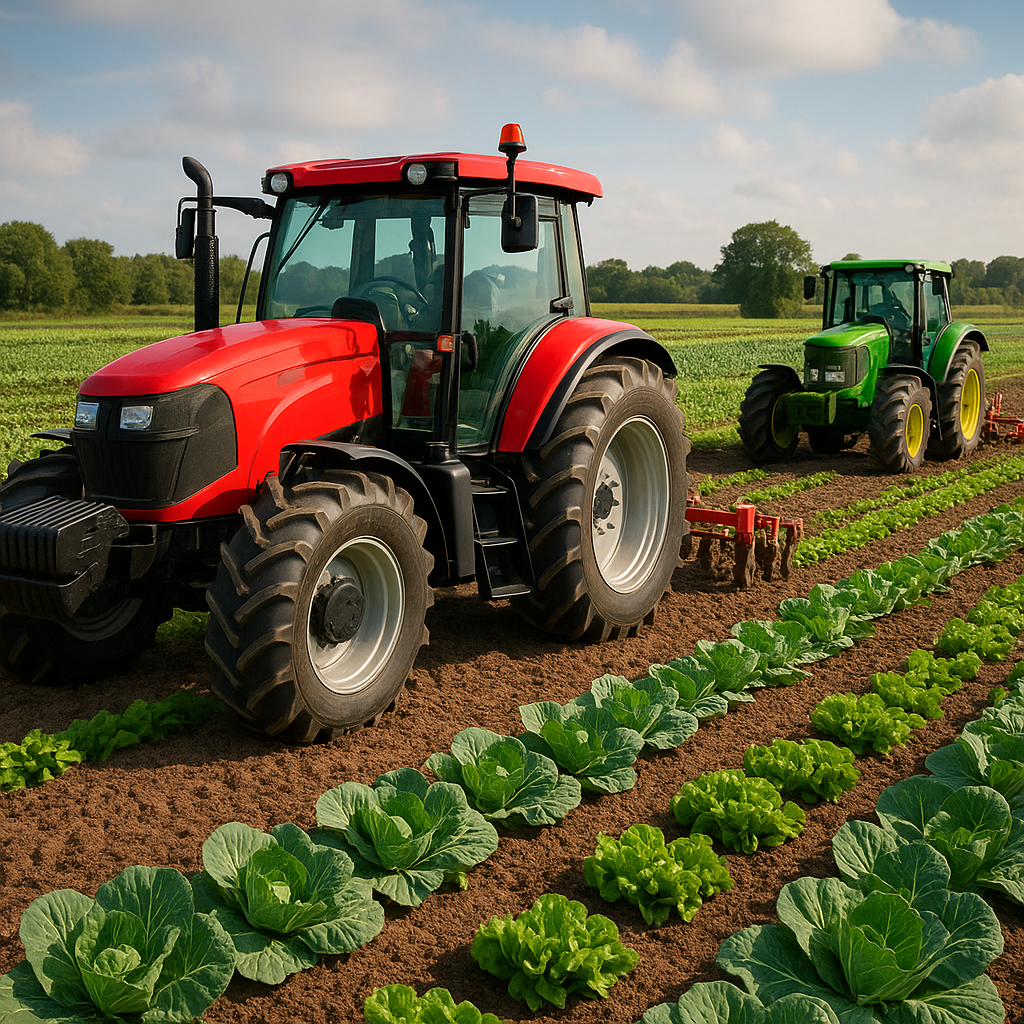
Vegetable farming demands a blend of precision, power, and adaptability to cultivate vibrant, high-yielding crops. Choosing the right tractor can transform fields into productive havens, ensuring each row of lettuce, tomato, or pepper benefits from optimal soil management. This guide delves into the critical factors of tractor selection, highlights leading models tailored for vegetable growers, and examines essential implements that elevate efficiency on small to mid-sized farms.
The Essentials of Tractor Selection
Selecting a tractor for vegetable farming involves more than simply matching horsepower to acreage. Growers must prioritize versatility, maneuverability in tight rows, and compatibility with specialized attachments. Below are the key considerations to guide your decision:
Engine Power and Efficiency
A tractor’s horsepower rating directly influences its capacity to handle demanding tasks such as plowing heavy clay or powering multi-row cultivators. However, overpowered machines can lead to fuel wastage and soil compaction. Aim for a balance: 40–80 HP tractors often suffice for diversified vegetable plots spanning 5 to 20 hectares.
Tire and Track Options
Soil health is paramount in vegetable production. Wider tires or tracks distribute weight more evenly, reducing compaction that stifles root growth. Consider flotation tires for wet soils or rubber tracks for maximum traction during muddy seasons.
Hydraulics and PTO Capacity
High-flow hydraulics enhance implement performance, powering equipment from hydraulic planters to post-hole diggers. A robust PTO (Power Take-Off) system ensures consistent power delivery to rotary tillers, seeders, and harvesters, streamlining field operations.
Cab Comfort and Visibility
Vegetable farmers often spend long hours in the field. An ergonomic cab with clear sightlines and climate control reduces fatigue and improves precision during tasks like transplanting and high-speed cultivation.
Top Tractor Models for Vegetable Farming
The market offers a wide array of tractors tailored to the unique demands of vegetable production. Below are some of the most highly recommended models for growers seeking reliability and performance.
-
John Deere 5E Series
With 60–75 HP options, the 5E Series delivers a superb blend of durability and tech integration. Its precise electro-hydraulic shuttle makes row-to-row maneuvers seamless, and compatibility with narrow high-crop configurations supports diverse plantings.
-
Kubota M6 Series
Offering up to 104 HP in a compact frame, the M6 Series excels in maneuverability. Its patented Sidekick™ boom allows hydraulic oil changes without tools, reducing downtime during peak planting or harvesting windows.
-
New Holland Workmaster 55–75
Designed for simplicity, the Workmaster series features a reliable three-cylinder engine and SyncShuttle™ transmission. Its fuel efficiency and maintenance-friendly design make it a smart choice for growers on a budget.
-
Massey Ferguson 4700 Global Series
Equipped with three transmission options and a comfortable Dyna-4 shuttle shift, these tractors prioritize operator comfort and easy service access. The factory-integrated loader packages are ideal for material handling in packing sheds.
-
Mahindra 2555
One of the most affordable models in its class, the 2555 offers solid build quality, a mechanical shuttle, and optional front-end loader. Its simple electronics translate to fewer service calls and extended field uptime.
Key Attachments and Implements for Vegetable Production
Stretching a tractor’s capabilities often depends on the implements it can accommodate. Here are the must-have attachments that every vegetable farmer should consider:
Rotary Tillers and Cultivators
Rotary tillers break up soil clods and smooth seedbeds quickly, while narrow cultivators maintain weed control between rows without harming delicate crops. Look for adjustable tine widths and depth controls for maximum precision.
Transplanters and Seeders
Mechanical transplanters reduce labor costs by placing seedlings at uniform intervals and depths. Air or vacuum seeders ensure accurate seed placement and density, critical for uniform emergence and optimal crop yields.
Mulch Layer and Plastic Applicator
Raised bed mulching systems lay plastic film and drip tape in one pass, boosting soil temperature and reducing weed pressure. Integrating drip irrigation under plastic promotes water-use efficiency and consistent moisture levels.
Field Cultivators and Harrows
Lightweight field cultivators are indispensable for mid-season weed control and soil aeration. Flex harrows or spring-tooth harrows provide a fine finish for seedbeds, improving seed-to-soil contact.
Harvesting Equipment
Self-propelled or tractor-drawn harvesters customized for crops like carrots, onions, and potatoes can significantly reduce manual labor. Options range from conveyor-belt lifters to topper-harvester combos, enhancing operational speed.
Maintenance Tips for Maximizing Tractor Performance
Routine maintenance is vital to safeguard your investment and prevent costly downtime during critical farming periods. Implement these best practices to keep your tractor in peak condition:
-
Daily Checks
Inspect fluid levels, look for leaks around hoses and seals, and verify that tires are at the correct pressures for the day’s tasks.
-
Scheduled Servicing
Adhere to manufacturer-recommended intervals for oil changes, filter replacements, and fuel system cleanings. Well-timed services ensure reliability when weather windows are tight.
-
Hydraulic System Care
Change hydraulic oil and filters regularly to maintain consistent implement performance. Contaminated fluid can damage pumps and cylinders, leading to expensive repairs.
-
Battery and Electrical
Keep terminals corrosion-free and ensure charging systems operate correctly. Reliable starts are especially crucial during early spring planting.
-
Implement Inspections
Check hitch pins, PTO shafts, and safety guards before each use. Worn or damaged components not only reduce efficiency but also pose safety risks.