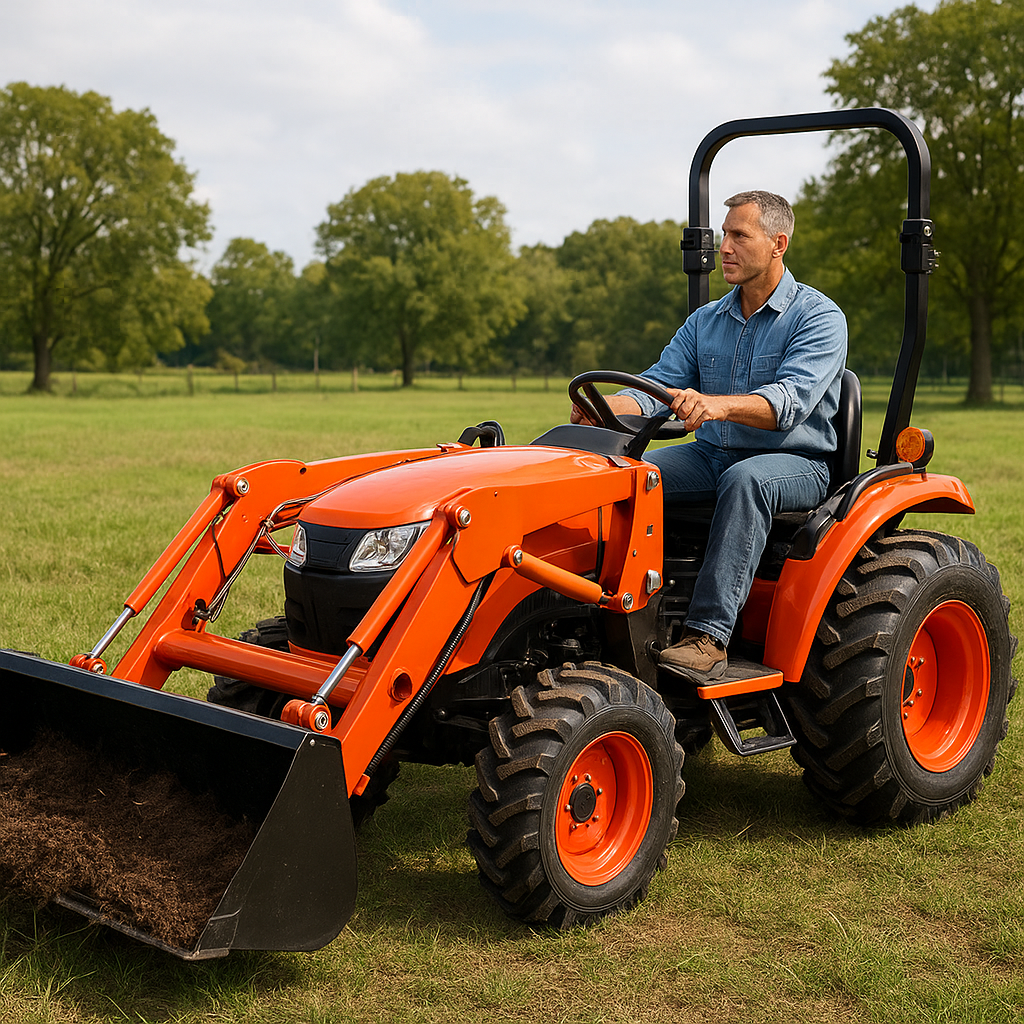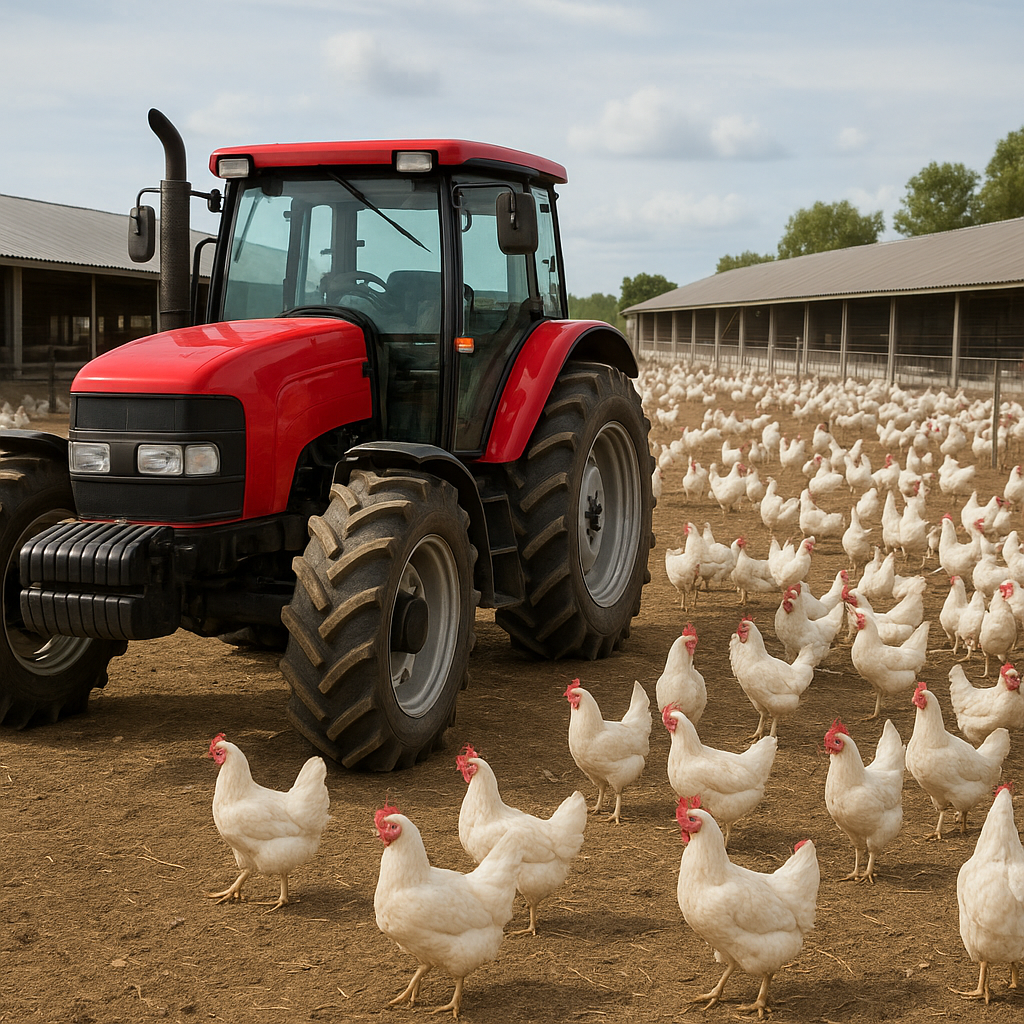
Tractors serve as the backbone of modern poultry farming, enabling farmers to tackle daily tasks with unmatched efficiency and precision. From hauling feed and bedding to mowing pasture and transporting equipment, the right tractor can dramatically boost a poultry operation’s output. Selecting a machine tailored to the unique demands of a farm—where space is often tight and soil conditions vary—can mean the difference between smooth workflows and constant setbacks. Below, you will find detailed guidance on selecting, operating, and maintaining tractors optimized for poultry farms.
Choosing the Right Tractor Model for Poultry Farming
Selecting the ideal tractor begins with a clear understanding of farm size, terrain, and daily chores. Poultry farms range from compact, free-range operations to large-scale, climate-controlled houses. Consequently, the machine you choose must combine maneuverability with sufficient horsepower. Key factors to evaluate include:
- Horsepower Rating: For small pastures and light haulage, a compact tractor with 25–50 HP often suffices. Larger poultry units or tasks involving heavy implements require 60 HP or more.
- Drive Configuration: Two-wheel drive (2WD) models are more affordable and lighter, but four-wheel drive (4WD) tractors deliver superior traction in muddy conditions typical around poultry houses.
- Lift Capacity: A robust three-point hitch must support implements such as sprayers, spreaders, and box blades. Check the lift capacity at the hitch, usually expressed in pounds or kilograms.
- Transmission Type: Hydrostatic transmissions allow for infinite speed adjustment with simple pedal control—ideal for frequent start-stop tasks. Gear-driven transmissions, while more economical, demand clutch work for gear changes.
- Cab Versus Open Station: Enclosed cabs with heating and air conditioning offer operator comfort in extreme weather, while open stations provide better visibility and lower costs.
Essential Features and Specifications
Beyond basic configuration, a poultry farm tractor should incorporate specialized features that enhance productivity and reliability. Consider the following specifications when comparing models:
- Hydraulic Flow Rate: A higher flow rate (gallons per minute) ensures hydraulic implements run smoothly. This becomes critical when operating feeders, augers, or hydraulic bale spears.
- Tire Selection: Turf tires protect delicate pasture grass, while agricultural lugged tires provide traction in loose soil. Specialty industrial tires resist cuts from gravel and concrete pads common around poultry sheds.
- Optional Attachments: Loader backends can lift feed sacks and pallets. Front-mounted weights improve balance when running rear implements. Quick-attach systems reduce downtime when switching tools.
- Fuel Efficiency: Engines with modern fuel injection and turbocharging maximize output per gallon, lowering overall economy burdens. Some brands also offer auto-idle or cylinder deactivation to save fuel during idle periods.
- Ergonomic Controls: Easily reachable levers, a comfortable seat with suspension, and logically placed pedals reduce operator fatigue during long shifts.
Top Tractor Brands Suitable for Poultry Operations
Certain manufacturers have built reputations for delivering strong and durable tractors that thrive in small-scale livestock environments. Below are a few leading names:
Brand A: Compact & Versatile
Brand A focuses on sub-50 HP models that excel at navigating narrow alleys between coops and pastures. Their compact tractors feature:
- Versatility with a quick-attach loader and rear PTO.
- Low ground pressure, ideal for sensitive soil around housing units.
- A user-friendly hydrostatic transmission.
Brand B: Rugged & Powerful
Brand B’s lineup includes 60–100 HP units designed for heavier chores. Advantages include:
- Steel-frame durability for harsh farm environments.
- High-capacity hydraulics to handle large feeders and spreaders.
- Exceptional resale value due to a widespread service network.
Brand C: Innovative & Efficient
Known for cutting-edge technology, Brand C integrates telematics and precision controls. Highlights are:
- GPS-assisted steering for accurate field passes and reduced overlap.
- Real-time monitoring of fuel use and engine health to minimize downtime.
- Eco-mode settings to promote sustainability and reduce emissions.
Maintenance Practices to Enhance Longevity
Well-maintained tractors not only last longer but also operate more efficiently, reducing the risk of breakdowns when time is most critical. A structured maintenance schedule should include:
- Daily Checklist: Inspect tire pressure, fluid levels (engine oil, coolant, hydraulic fluid), and visible leaks before each shift.
- Weekly Service: Clean air filters, grease fittings, and check battery terminals for corrosion.
- Monthly Inspection: Examine belts and hoses for wear, test lights and electrical systems, and verify PTO engagement smoothness.
- Seasonal Maintenance: Change engine oil and filter, replace hydraulic fluid and filters, and conduct thorough fuel system cleaning.
- Record Keeping: Log hours of operation and service intervals. A detailed service history boosts resale value and ensures warranty compliance.
Optimizing Tractor Performance on Poultry Farms
To extract maximum returns from your investment, operators should focus on both daily usage patterns and long-term upgrades. Consider these practices:
- Implement Matching: Pair tractors with implements sized appropriately for their horsepower. Using oversized attachments forces the engine to labor, increasing fuel consumption and wear.
- Weight Distribution: Attach front weights or bale carriers when using heavy rear implements to preserve balance and improve traction.
- Operator Training: Invest in training staff on smooth clutch engagement, correct lift lever operation, and safe transport speeds.
- Software Updates: For tractors equipped with electronic controls, ensure firmware is current to benefit from the latest efficiency algorithms.
Environmental and Economic Considerations
Choosing a tractor for poultry farming also entails looking at long-term costs and ecological impact. Key aspects include:
- Fuel Type: While diesel remains dominant due to its high energy density, emerging models support biodiesel blends that align with green initiatives and may qualify for incentives.
- Emission Standards: Engines compliant with Tier 4 or Stage V regulations reduce harmful particulates and can avoid municipal restrictions in sensitive zones.
- Cost of Ownership: Factor in depreciation, scheduled maintenance, insurance, and financing interest to calculate total lifetime cost.
- Resale Market: Brands with expansive service networks and part availability tend to retain higher residual values, making future upgrades more affordable.
Implement Attachments and Tools
Poultry farmers rely on a suite of implements that attach to their tractors via the three-point hitch or PTO to streamline operations. Popular tools include:
- Feed Spreaders: Mounted on the three-point hitch, these distribute feed evenly across ground feeders or mobile coops.
- Bedding Dispensers: Specialized wagons tow behind the tractor, allowing rapid replacement of litter material.
- Rotary Tillers: Ideal for breaking up dense soil before pasture reseeding, improving drainage and root penetration.
- Front Loaders: Versatile for moving pallets of feed, manure, or other bulk items, reducing manual labor.
Enhancing Safety and Operator Comfort
A tractor optimized for poultry farming must prioritize both safety and comfort to sustain long hours of operation. Consider these elements:
- ROPS (Rollover Protection Structure): A standard safety requirement that shields operators in the event of a rollover.
- Cab Filtration: Keeps dust, ammonia, and other airborne particles at bay when working near enclosed poultry houses.
- Lighting Packages: LED work lights extend usable hours into early mornings and late evenings.
- Ergonomic Controls: Adjustable seats, tilt steering wheels, and well-placed foot pedals reduce fatigue and repetitive strain.
Conclusion of Practical Insights
Matching the right tractor to your poultry farm’s specific demands will streamline daily tasks, safeguard animal welfare by ensuring timely feed and bedding delivery, and bolster overall productivity. By focusing on core factors like durability, maintenance schedules, and implement compatibility, growers can maximize return on investment and maintain an edge in sustainable poultry production.