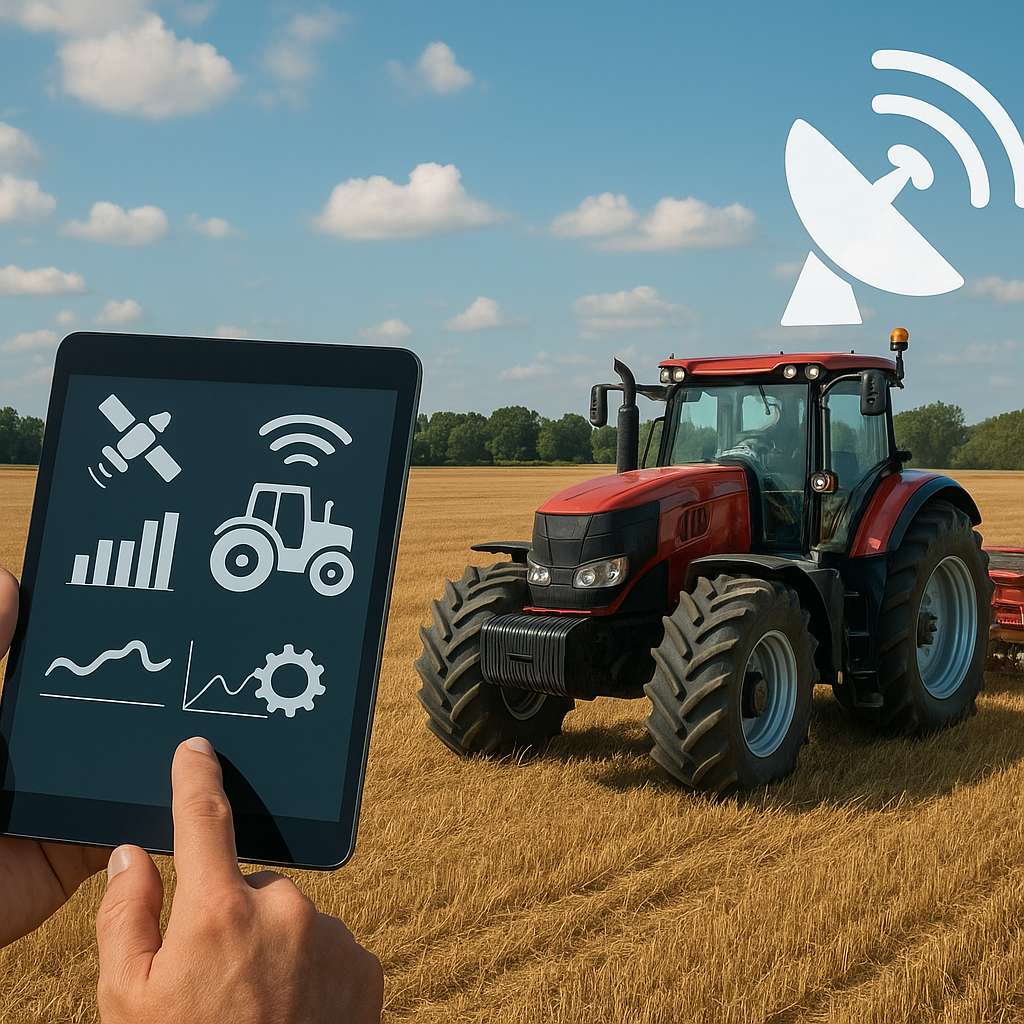
Telematics has revolutionized the agricultural landscape by integrating cutting-edge connectivity solutions into modern tractors. This transformation empowers farmers to optimize operations, boost efficiency, and improve overall performance. By leveraging GPS, IoT sensors, and cloud-based platforms, today’s machines can deliver unparalleled insights into field conditions and machine health. The result is a truly data-driven approach to farming, where real-time adjustments lead to higher yields, lower costs, and enhanced sustainability.
Enhanced Real-Time Monitoring and Connectivity
Integrating telematics into tractors creates a seamless network that links machinery, operators, and farm managers. Through onboard sensors and wireless communication, key parameters such as fuel levels, engine temperature, and operating hours become instantly accessible. This continuous flow of information allows stakeholders to:
- Track machine location via GPS and geofencing features.
- Monitor speed, load, and performance metrics in real time.
- Receive instant alerts when anomalies or thresholds are exceeded.
For example, if a tractor’s hydraulic pressure deviates from standard values, an automated alert can be sent to the service team. This proactive warning reduces the risk of major failures and helps maintain uptime. Moreover, the connectivity provided by telematics facilitates remote diagnostics, allowing technicians to tap into the tractor’s onboard computer from anywhere with an internet connection. Operators benefit from guided maintenance reminders, ensuring that routine tasks are never overlooked. This seamless integration of hardware, software, and human expertise leads to a more responsive and agile farming operation.
Fuel Efficiency and Sustainable Agriculture
Rising fuel costs and environmental regulations have made fuel efficiency a top priority for modern farmers. Telematics addresses this challenge by closely analyzing consumption patterns and suggesting optimizations. Here are key ways telematics drives sustainability and cost savings:
- Real-time monitoring of fuel usage per hectare or operation.
- Automatic engine shutdown when idling time exceeds preset limits.
- Optimized route planning to minimize unnecessary travel across fields.
By comparing actual performance data against ideal benchmarks, telematics platforms can recommend specific adjustments—such as altering working speed, adjusting tire pressure, or fine-tuning engine settings—to maximize fuel economy. When multiple tractors operate on the same farm, aggregated fuel data highlights the most efficient units and helps farm managers deploy resources more strategically. The reduction in fuel consumption not only lowers operational costs but also diminishes greenhouse gas emissions, aligning with modern goals for sustainability and responsible land stewardship.
Predictive Maintenance and Reduced Downtime
Traditional maintenance schedules rely on fixed intervals or anecdotal evidence, leaving room for both over-servicing and unexpected breakdowns. Telematics transforms maintenance into a predictive maintenance model, where data-driven insights guide servicing needs before failures occur. The core benefits include:
- Condition-based alerts for wear-prone components (belts, filters, brakes).
- Trend analysis of vibration, temperature, and oil quality readings.
- Customized service intervals based on actual usage rather than generic guides.
Advanced analytics detect subtle shifts in machine behavior—such as rising heat in a bearing or fluctuating voltage in an electrical circuit—that could indicate impending issues. By scheduling repairs at convenient times, farmers minimize unplanned downtime and avoid costly emergency interventions. Furthermore, telematics archives maintenance records automatically, providing a verifiable history that adds value to the equipment at resale. This systematic approach to upkeep boosts reliability across the entire fleet, ensuring that every tractor is ready when the field demands maximum productivity.
Advanced Data Analytics for Precision Farming
Beyond machine health, telematics platforms serve as the backbone for sophisticated analytics in precision agriculture. By correlating tractor data with soil maps, weather forecasts, and crop performance records, farmers gain a comprehensive view of field dynamics. Key applications include:
- Variable-rate application of seeds, fertilizers, and pesticides based on zonal requirements.
- Adaptive irrigation schedules informed by moisture sensors and evapotranspiration models.
- Yield mapping that pinpoints high- and low-performing areas for targeted interventions.
Teaming telematics data with machine-learning algorithms unlocks predictive insights into crop health, enabling proactive measures against pests, diseases, and nutrient deficiencies. When a particular field zone shows signs of stress, alerts can be generated and treatment plans deployed swiftly. This data-driven decision-making enhances resource allocation and can lead to significant improvements in yield per hectare. Additionally, aggregated historical data supports long-term strategic planning—revealing trends that inform crop rotation, equipment upgrades, and soil conservation practices.
Seamless Fleet Management and Collaboration
Managing multiple tractors across expansive farms or distributed locations presents logistical challenges. Telematics solutions offer centralized dashboards where fleet supervisors can oversee all assets in one place. Key features include:
- Role-based access controls for drivers, technicians, and managers.
- Route optimization tools that allocate tasks based on proximity and availability.
- Shared data views that foster collaboration between field teams and agronomists.
By unifying communication channels, telematics eliminates guesswork and reduces administrative overhead. Task assignments, progress tracking, and field notes become part of a single, transparent system. This level of coordination ensures that every tractor is used to its fullest potential, driving up overall productivity and maintaining high operational standards across the board.
Conclusion
The integration of telematics into modern tractors marks a pivotal shift toward truly smart farming. From boosting connectivity and efficiency to harnessing advanced analytics and ensuring uptime, telematics empowers agricultural professionals to meet the challenges of tomorrow. As the technology continues to evolve, the synergies between machinery, data, and human expertise will unlock even greater opportunities for precision, sustainability, and profitability in the fields.