Tractors equipped with front-wheel assist (FWA) have transformed agricultural operations by delivering unparalleled traction and enhanced stability across a variety of field conditions. Unlike traditional two-wheel drive units, these machines power both axles, ensuring consistent power delivery and improved efficiency under demanding workloads. Farmers worldwide are discovering how FWA models boost productivity, reduce slippage, and safeguard the soil against excessive soil compaction. Below, we explore the key advantages of front-wheel assist tractors and examine their role in modern farming.
Enhanced Traction and Power Delivery
One of the most compelling benefits of a front-wheel assist system is its ability to provide superior traction in challenging environments. By engaging the front axle, these tractors can handle steep inclines, muddy fields, and uneven terrain with ease. This translates into less wheel spin, faster work completion, and reduced downtime caused by stuck equipment.
How Front-Wheel Assist Works
At the core of this technology lies a versatile transmission that routes engine torque to both axles. When sensors detect slippage at the rear wheels, hydraulic or mechanical couplings activate the front-wheel drive, redistributing force evenly. This seamless switch enhances overall torque transfer, resulting in steady forward momentum without significant power losses.
Key Benefits of Improved Traction
- Greater pulling power for heavy implements
- Enhanced performance on wet or loose soil
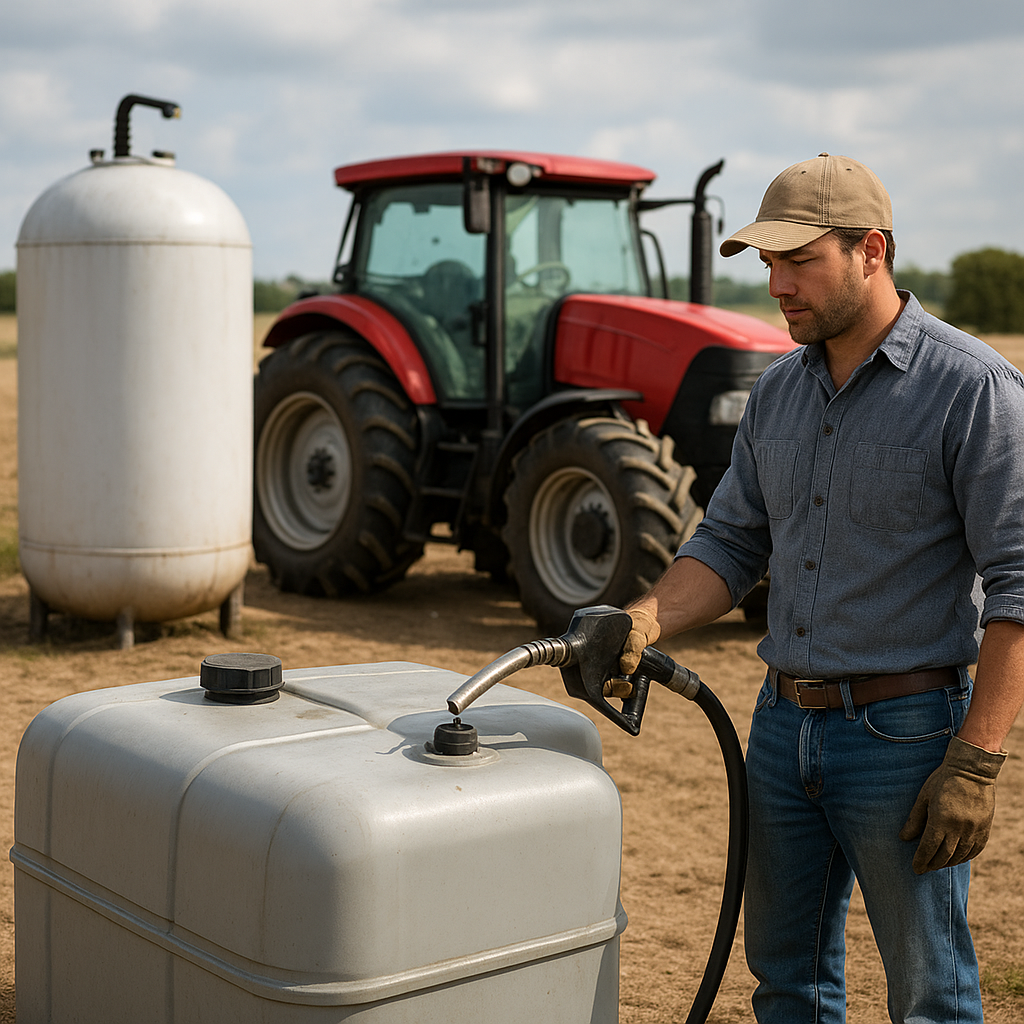
- Reduced fuel consumption due to minimized wheel spin
- Better load handling on inclines
Improved Stability and Soil Protection
Beyond traction, front-wheel assist tractors excel in delivering exceptional stability when carrying or towing heavy attachments. The balanced weight distribution between the front and rear axles reduces the risk of tip-overs and makes high-speed transport safer. Farmers can maneuver across slopes and ditches with confidence, even at faster work rates.
Soil Conservation Through Reduced Compaction
Excessive soil compaction can severely impede root growth and reduce crop yields. FWA tractors help mitigate this effect by spreading the load more evenly, thanks to the additional tractive effort at the front. This prevents the rear wheels from sinking deeply into soft ground, preserving soil structure and long-term field health.
Maintaining Balance in Variable Terrain
On undulating landscapes, FWA systems continually adjust torque distribution to maintain optimal contact between tires and soil. This constant adaptation not only enhances grip but also reduces the operator’s workload, as fewer manual corrections are needed to keep the tractor on course.
Operational Efficiency and Versatility
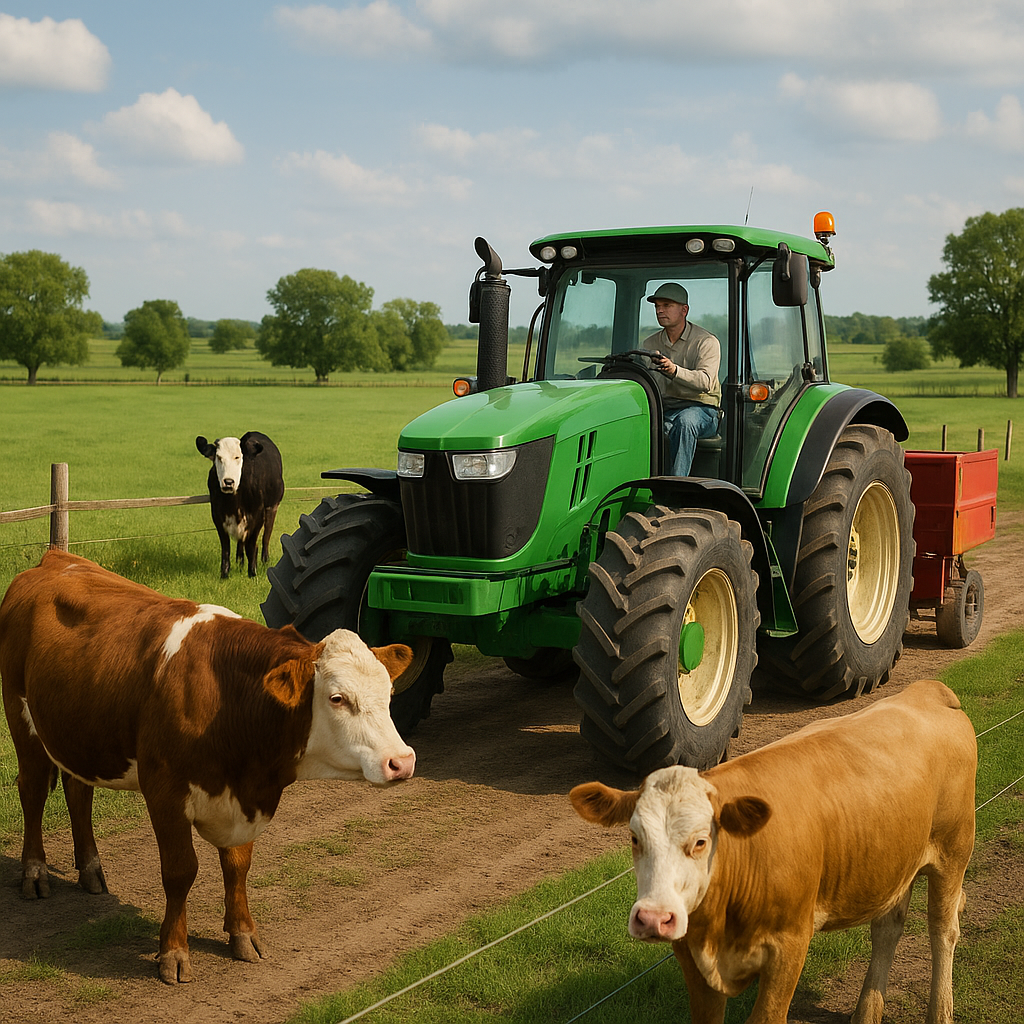
Farmers value versatility above all. Front-wheel assist tractors shine when switching between tasks like tillage, planting, and hauling. Their superior maneuverability allows for tighter turns at headlands, minimizing unworked strips and maximizing productive acreage.
Faster Field Operations
- Accelerated work rates in wet or muddy conditions
- Consistent speed maintenance under load
- Quicker transitions between implements
Adaptable to Multiple Implements
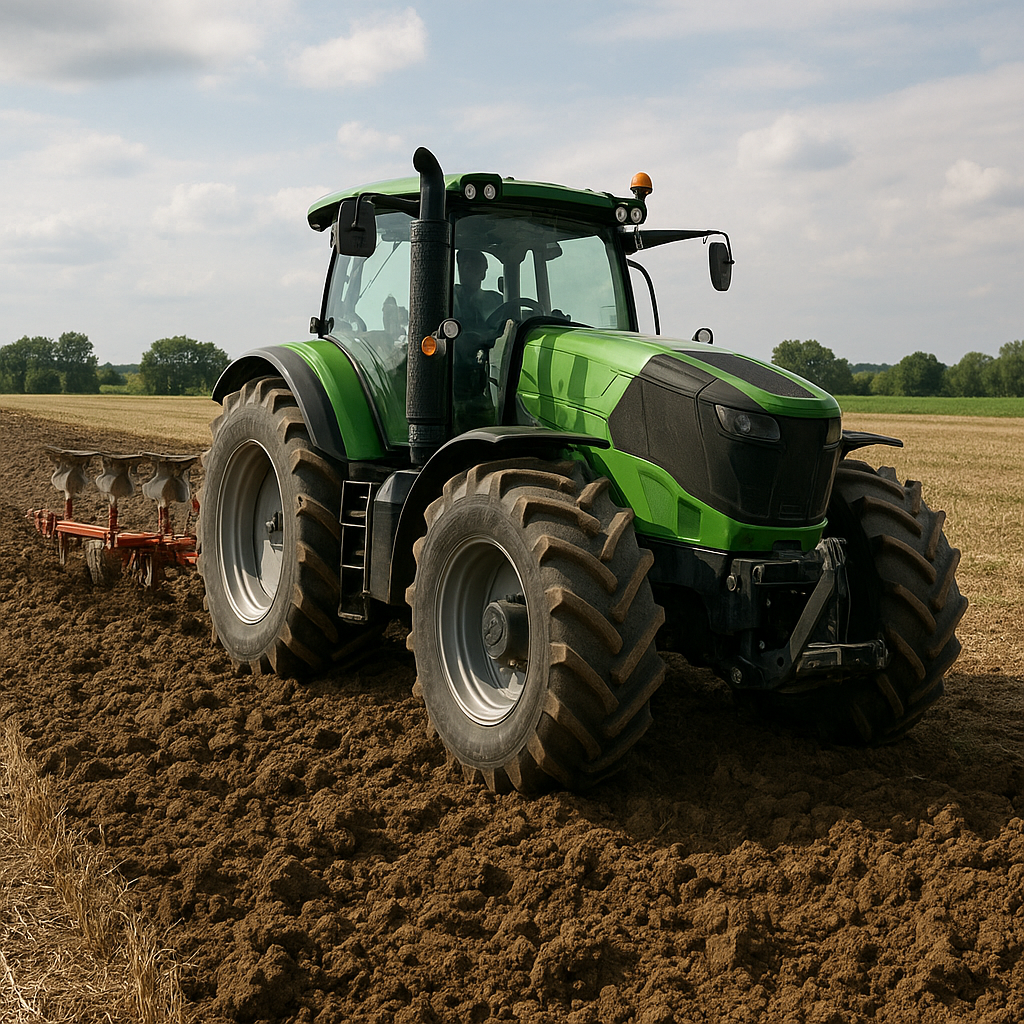
From heavy-duty plows to high-clearance sprayers, FWA tractors handle a wide array of attachments. The front drive system supports larger, more demanding implements by ensuring each axle contributes to the drawbar pull. This results in uniform power delivery, less slip, and smoother field passes.
Advanced Comfort and Control Features
Modern front-wheel assist tractors integrate cutting-edge cabin technologies, offering operators unrivaled comfort and precision control. Features such as GPS-guided steering, real-time performance monitoring, and automated differential lock systems significantly reduce fatigue and optimize output.
Ergonomic Design
Spacious cabs, adjustable seats, and intuitive control layouts make long days in the field more tolerable. Operators can focus on maximizing productivity rather than battling vibrations or poor visibility.
Smart Farming Integration
Many FWA models are equipped with telematics and precision agriculture tools. These systems collect data on fuel usage, soil moisture, and implement performance, empowering farmers to make data-driven decisions for improved yields and resource management.
Maintenance, Reliability, and Longevity
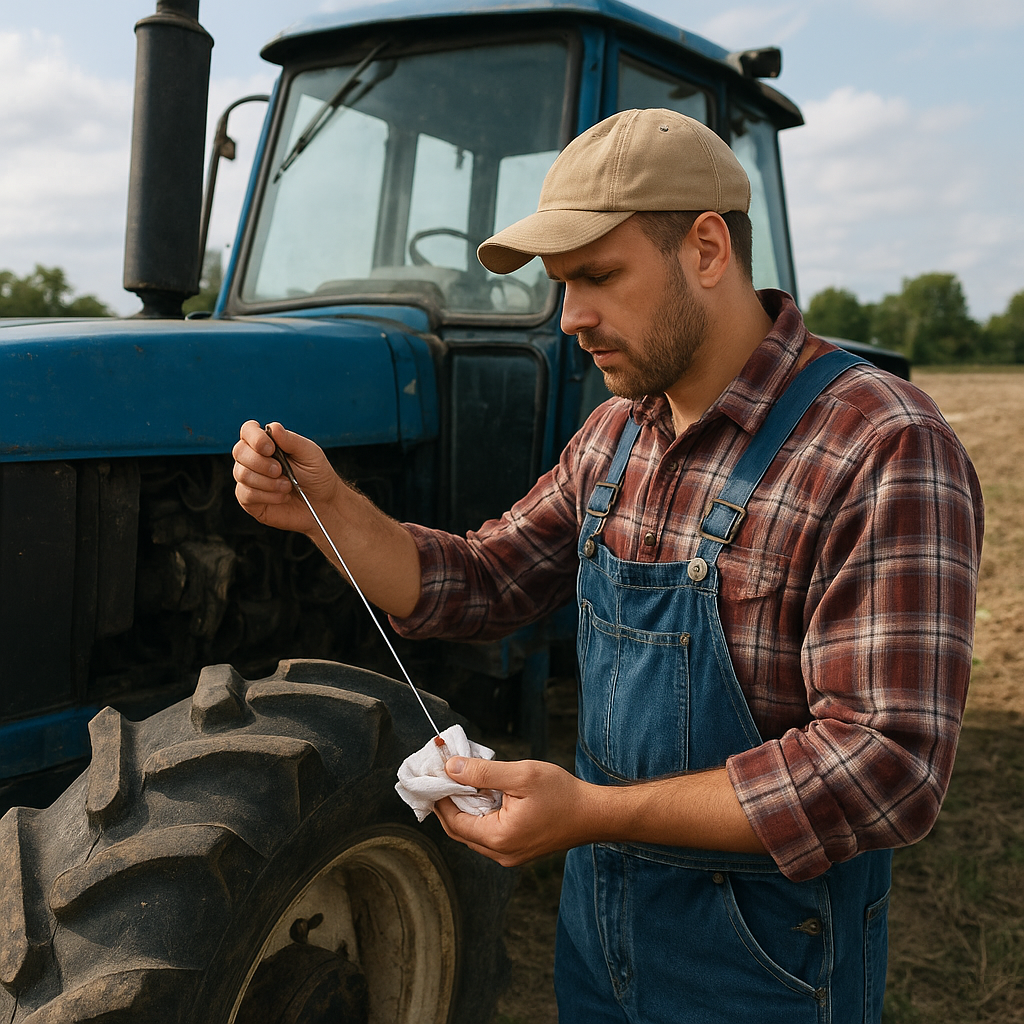
While complexity often raises concerns about upkeep, front-wheel assist tractors are engineered for durability and straightforward maintenance. Manufacturers design sealed driveline components and robust axles to withstand harsh working conditions.
Routine Service Simplified
- Easy-access filters and service points
- Durable seals that resist dust and moisture intrusion
- Standardized parts across models for quick replacement
Extended Component Life
By balancing loads between the front and rear axles, wear on individual tires and drive components is reduced. Consistent lubrication channels and heavy-duty bearings further extend the lifespan of critical assemblies, ensuring that FWA tractors deliver reliable performance season after season.
Economic and Environmental Advantages
Adopting front-wheel assist technology can offer both economic gains and environmental benefits. Lower fuel consumption, decreased soil disturbance, and reduced machinery downtime translate into cost savings and a smaller carbon footprint.
- Decreased operational costs through optimized fuel usage
- Minimized soil erosion and runoff thanks to improved traction
- Fewer pass-throughs in the field, preserving soil structure
By investing in FWA tractors, farmers can achieve a balance between high productivity and responsible stewardship of natural resources.
Embrace the future of agriculture with front-wheel assist tractors that combine raw horsepower, advanced traction management, and intelligent design. These versatile machines not only tackle the toughest tasks but also protect the land and support sustainable farming practices for generations to come.