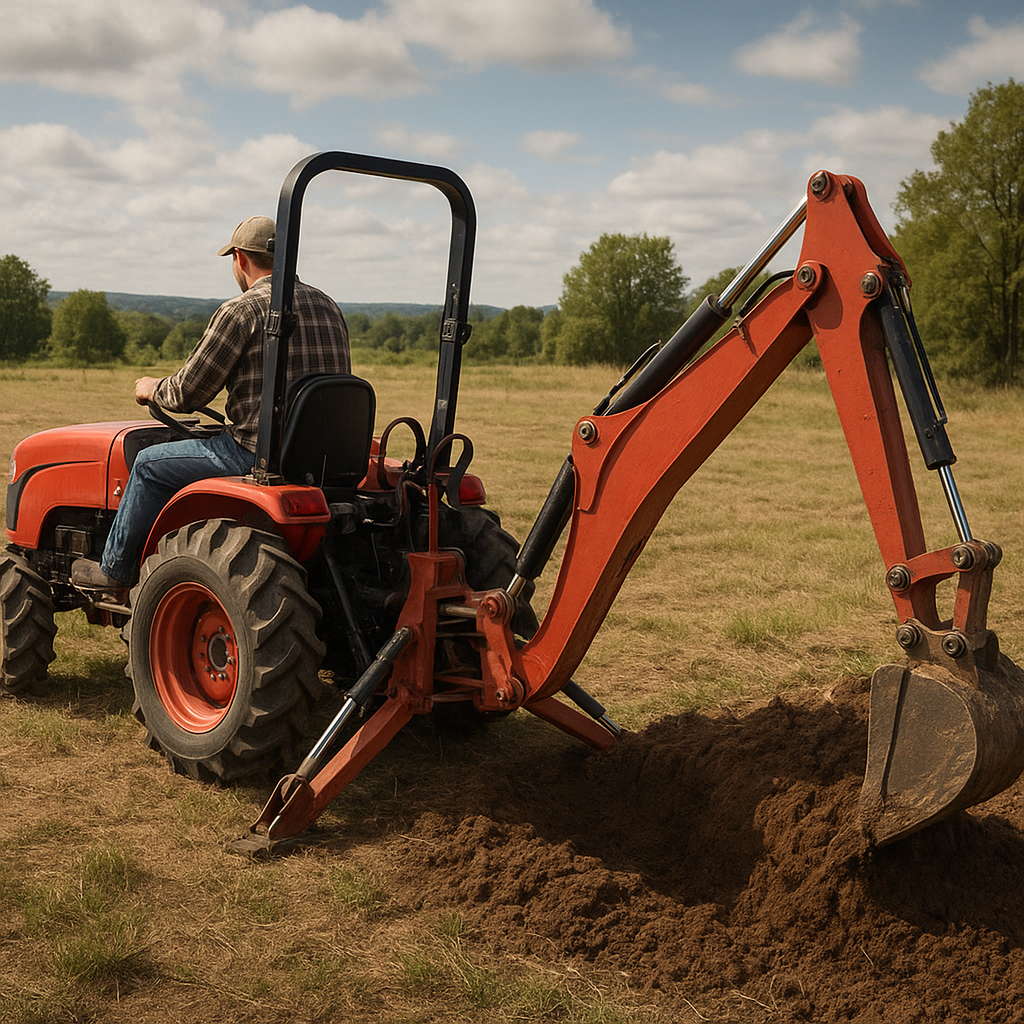
Mastering the art of using a tractor equipped with a backhoe attachment can elevate the efficiency of excavation tasks, landscaping, and rural construction. This guide covers key aspects, from selecting the right equipment to executing safe and precise digging operations.
Choosing the Right Equipment
Tractor Selection
When you begin the search for a suitable machine, focus on the horsepower rating, weight, and hydraulic capacity. A tractor with at least 45–60 horsepower often provides enough power to operate a medium-duty backhoe attachment. Ensure the chassis offers solid frame integrity and adequate counterweight provisions to maintain stability during digging.
Backhoe Attachment Types
- Standard Backhoes – Provide a balance between digging depth and lifting capacity.
- Compact Backhoes – Ideal for smaller jobsites requiring tight maneuverability.
- Heavy-Duty Backhoes – Designed for rigorous excavation projects and rocky soil conditions.
- Swap-Loader Backhoes – Quickly exchange loader buckets with backhoe units for versatile tasks.
Select attachments that match your tractor’s hydraulic flow rate. Mismatched equipment can lead to sluggish performance or even component damage.
Preparing for Operation
Site Assessment
Before any digging takes place, conduct a thorough inspection of the work area. Mark underground utilities, inspect soil type, and evaluate slope angles. Soft soil or steep banks can compromise the machine’s safety and performance.
Pre-Operational Checks
- Hydraulic Fluid Levels – Confirm correct fluid type and fill levels to maintain optimal hydraulics response.
- Tire Pressure and Condition – Even inflation ensures proper weight distribution and comfort during long hours of work.
- Attachment Mounting – Verify pins, locks, and mounting brackets are securely fastened according to manufacturer specifications.
- Control Calibration – Test all levers and joysticks for smooth response before engaging in heavy digging.
Operating Techniques
Deploying Stabilizers
For safe digging, always lower the stabilizer legs fully until they penetrate firm ground. This step maximizes stability by transferring counterweight into the earth, reducing boom sway and tip-over risk.
Basic Digging Maneuvers
- Bucket Curling – Use this motion to compact soil at the rear of trenches, creating stable footing.
- Swing Control – Rotate the turret slowly to avoid sudden shifts in load and maintain precision when moving soil.
- Depth Management – Utilize depth gauges and visual markers to ensure consistent trench depth, crucial for utility installations.
Trenching and Backfilling
When trenching, operate the backhoe slightly behind the tractor’s centerline. This position leverages the machine’s weight distribution and minimizes spillage onto the edges of the trench. For backfilling, reverse the bucket orientation to push soil back effectively, creating a uniform fill layer.
Advanced Techniques and Attachments
Thumb and Grapple Attachments
Adding a hydraulic thumb or grapple enhances the backhoe’s ability to grasp irregular objects like roots or debris. These accessory tools increase jobsite versatility and reduce manual labor for material handling.
Auger and Hydraulic Breaker Integration
- Auger Drives – Perfect for drilling postholes, fence installations, and planting trees with minimal disturbance.
- Hydraulic Breakers – Convert your backhoe into a rock-splitting powerhouse for chiseling out stubborn boulders or concrete slabs.
Ensure your tractor’s pump capacity meets the accessory’s flow requirements; otherwise, power delivery may suffer.
Maintenance and Safety Practices
Routine Maintenance
- Greasing Points – Regularly lubricate pivot joints, hydraulic cylinders, and linkages to prevent wear and extend service life.
- Filter Replacements – Change hydraulic and engine filters at recommended intervals to maintain operating efficiency.
- Visual Inspections – Check hoses, pins, and structural welds for signs of fatigue or leaks.
Operator Safety Protocols
Always wear a seat belt and remain within the operator’s station when the engine is running. Never override interlocks, and use audible alarms when swinging the boom to alert nearby personnel. Keep bystanders at a safe distance from the operating zone, especially when the backhoe is loaded.
Environmental Considerations
Minimize soil erosion by backfilling trenches promptly and compacting fill layers. Use biodegradable hydraulic fluids if working near watercourses to reduce ecological impact. Proper site cleanup and responsible disposal of spoil material contribute to sustainable land management practices.
Troubleshooting Common Issues
Hydraulic Slowdown
Symptoms such as sluggish bucket movement or weak lifting may indicate low fluid levels, clogged filters, or worn pumps. Address these issues promptly to avoid complete system failure.
Uneven Digging
- Check stabilizer leg height and ground engagement.
- Inspect tire inflation to confirm consistent traction.
- Verify boom alignment and control linkage adjustments.
Excessive Vibration
Persistent vibration often signals unbalanced loads or loose mounting bolts on the backhoe unit. Conduct a thorough tightening of attachment hardware and realign any mispositioned components.
Conclusion
Proper selection, careful preparation, and diligent maintenance forge the path to efficient and safe backhoe operations. By mastering the interplay between tractor power, hydraulic performance, and precise control techniques, operators can tackle diverse excavation challenges with confidence and professionalism.