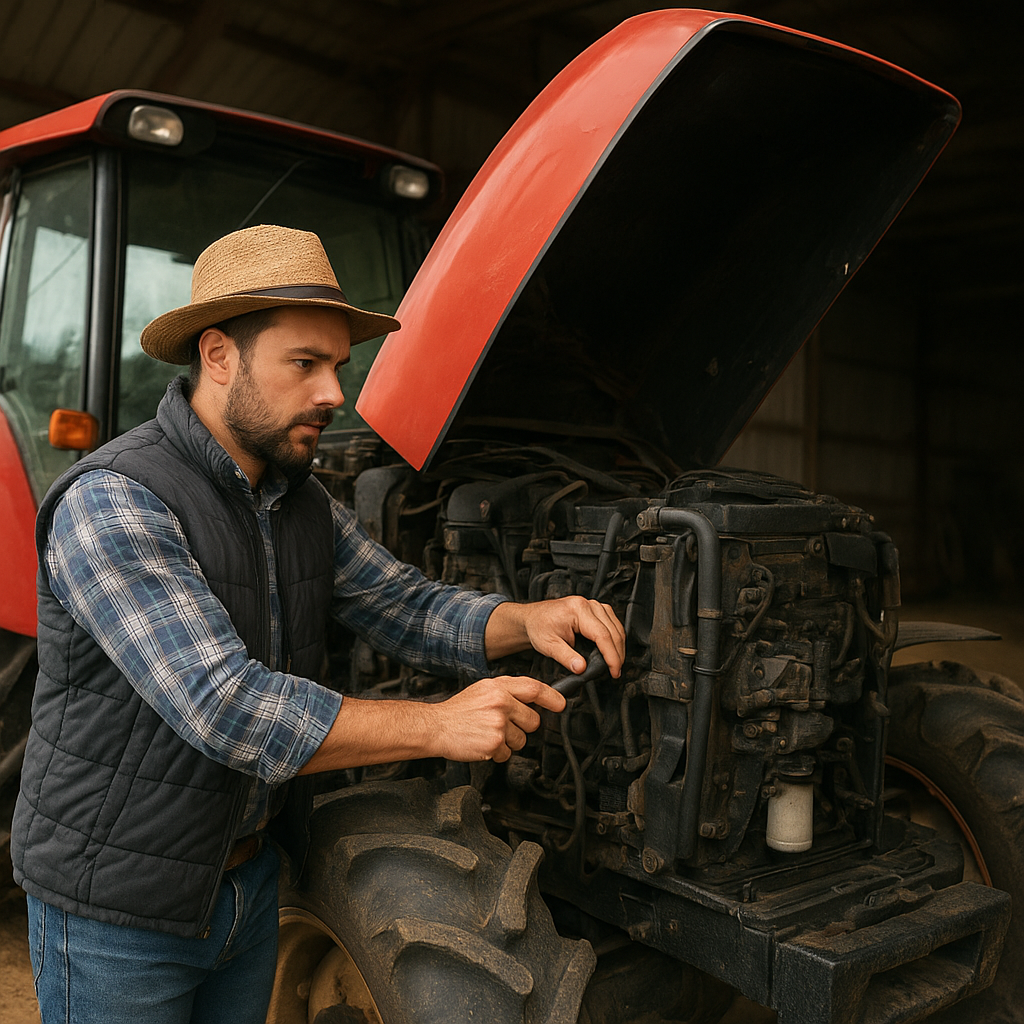
Operating a tractor efficiently requires more than just turning the key and pulling a lever. To keep your machine running at peak performance and avoid costly downtime, understanding how to diagnose and address frequent issues is essential. This guide explores practical methods for troubleshooting common tractor problems, offering insights on engine, electrical, hydraulic, and maintenance challenges. Whether you’re a seasoned operator or a hobby farmer, mastering these techniques will boost your equipment’s reliability and overall efficiency.
Engine Performance and Starting Issues
Inspecting the Fuel System
- Check fuel quality: Contaminated or stale fuel can cause rough idling and reduced power.
- Replace filters regularly: Clogged filters restrict flow and lead to hard starts.
- Bleed air: After changing a filter or running dry, air locks in the line must be removed to restore proper injection.
Diagnosing Compression and Injector Problems
- Perform a compression test: Low cylinder pressure indicates worn rings or valves.
- Examine injectors: Dirty or leaking injectors disrupt atomization, causing misfires and smoke.
- Use proper tools: A reliable compression gauge and an injector tester help pinpoint issues quickly.
Addressing Overheating and Cooling System Faults
- Coolant levels and mixture: Insufficient coolant or incorrect antifreeze ratio can lead to overheating.
- Radiator condition: Debris or bent fins block airflow; flush and straighten as needed.
- Water pump and thermostat: A failing pump or stuck thermostat disrupts circulation, raising engine temperature.
Electrical Systems and Starting Mechanism
Battery Health and Connections
- Voltage and load test: A weak battery fails under cranking load—test with a digital meter.
- Clean terminals: Corroded connections increase resistance, leading to slow cranking.
- Secure grounding: Ensure the negative cable is tightly fastened to a clean chassis point.
Starter and Alternator Troubleshooting
- Starter solenoid check: Listen for a clicking sound; a dead solenoid won’t engage the starter gear.
- Inspect wiring: Frayed or loose cables between battery, solenoid, and starter disrupt current flow.
- Alternator output: Measure charging voltage at idle and under revs; a faulty alternator causes battery drain.
Lighting, Gauges, and Sensor Faults
- Fuses and relays: Burned fuses or stuck relays are common reasons for non-functional lights or gauges.
- Wiring harness: Rodent damage or abrasion can short circuits—trace wires for exposed sections.
- Sensor calibration: Erratic gauge readings often stem from faulty temperature or oil-pressure sensors.
Hydraulic Systems and Implement Functionality
Checking Fluid Levels and Quality
- Hydraulic oil inspection: Contaminated fluid leads to erratic controls and reduced lift capacity.
- Bleed air from lines: Similar to fuel systems, air pockets in hydraulics cause spongy response.
- Filter maintenance: Replace the hydraulic filter at recommended intervals to protect pumps and valves.
Diagnosing Leaks and Pressure Loss
- Visual inspection: Look for wet hoses, fittings, and seals—external leaks often indicate seal wear.
- Pressure gauge test: Use test ports to measure system pressure; a drop below spec suggests pump or valve failure.
- Check cylinders: Worn piston rods or damaged seals can leak internally, resulting in slow implement movement.
Troubleshooting Attachment and Control Valves
- Spool valve cleaning: Debris in the control valve spools leads to sticking and sluggish operation.
- Return-line flow: Restricted return paths cause slow lowering of implements under load.
- Test auxiliary circuits: Verify that each remote control circuit operates independently, ensuring no cross-contamination.
Routine Maintenance and Preventive Strategies
Scheduled Service Intervals
- Engine oil and filter changes: Adhere to manufacturer guidelines to minimize internal wear.
- Transmission and differential fluids: Contaminated gear oil accelerates wear on bearings and gears.
- Periodic greasing: Lubricate pivot points, linkages, and drive joints to prevent corrosion and friction.
Implementing a Diagnostic Log
- Record hours and symptoms: Document patterns of failure to aid future diagnostics.
- Note repairs and parts used: Maintaining purchase and replacement records helps identify chronic issues.
- Visual checklist: Walk around the tractor before and after each shift to catch minor faults early.
Ensuring Operator Safety and Training
- Proper shutdown procedures: Always disengage PTO and lower implements before exiting.
- Use safety locks: Hydraulic and PTO locks prevent accidental movement during maintenance.
- Ongoing education: Train operators to recognize warning signs like unusual noises and vibrations.
Advanced Diagnostic Tools and Techniques
Electronic Diagnostic Interfaces
- On-board ECU readers: Modern tractors often feature diagnostic ports; scanning codes reveals sensor faults.
- Software updates: Keep control modules updated to ensure correct sensor calibration and efficient engine mapping.
- Live data streaming: Monitor real-time parameters like exhaust temperature and turbo boost to catch anomalies.
Infrared and Ultrasonic Testing
- Infrared thermography: Detect hot spots in electrical circuits and bearings before they fail.
- Ultrasonic leak detection: Pinpoint high-pressure air or hydraulic leaks that are inaudible to the human ear.
- Vibration analysis: Identify unbalanced shafts or misaligned pulleys by examining vibration signatures.
Custom Calibration and Component Upgrades
- Aftermarket ECU tuning: Adjust fuel maps for altitude or specific fuel types to optimize performance.
- High-capacity radiators and fans: Ideal for heavy-duty applications in hot climates.
- Enhanced filtration systems: Upgraded maintenance kits reduce downtime in dusty environments.
Optimizing Tractor Use for Longevity
Operating Techniques
- Gradual warm-up and cool-down: Avoid high engine loads when cold and allow cooldown after heavy work.
- Load matching: Use the correct implement size and gear range to prevent overtaxing the drivetrain.
- Ground speed control: Adjust forward speed to maintain optimum PTO rpm rather than varying throttle excessively.
Seasonal Preparation
- Winterizing: Switch to winter-grade oils, insulate fuel lines, and top up anti-freeze before cold spells.
- Post-harvest servicing: Clean debris, inspect belts and hoses, and perform comprehensive checks before storage.
- Summer cooling upgrades: Check fan belts, shrouds, and consider adding an external oil cooler if needed.
Environmental Considerations
- Minimize idling: Prolonged idling increases soot and fuel consumption; shut off when waiting.
- Proper disposal: Recycle used oils, coolants, and filters according to local regulations.
- Emissions compliance: Maintain exhaust after-treatment systems to stay within legal limits and reduce pollution.