Selecting the ideal front loader for your tractor can transform the way you handle materials, streamline tasks, and boost overall productivity. Whether you are moving soil, loading hay bales, or handling gravel, matching the right loader to your machine ensures seamless operation and long-term reliability. This guide explores critical factors—from basic loader anatomy to advanced hydraulic considerations—helping you make an informed decision that aligns with your unique agricultural or landscaping needs.
Understanding the Basics of a Front Loader
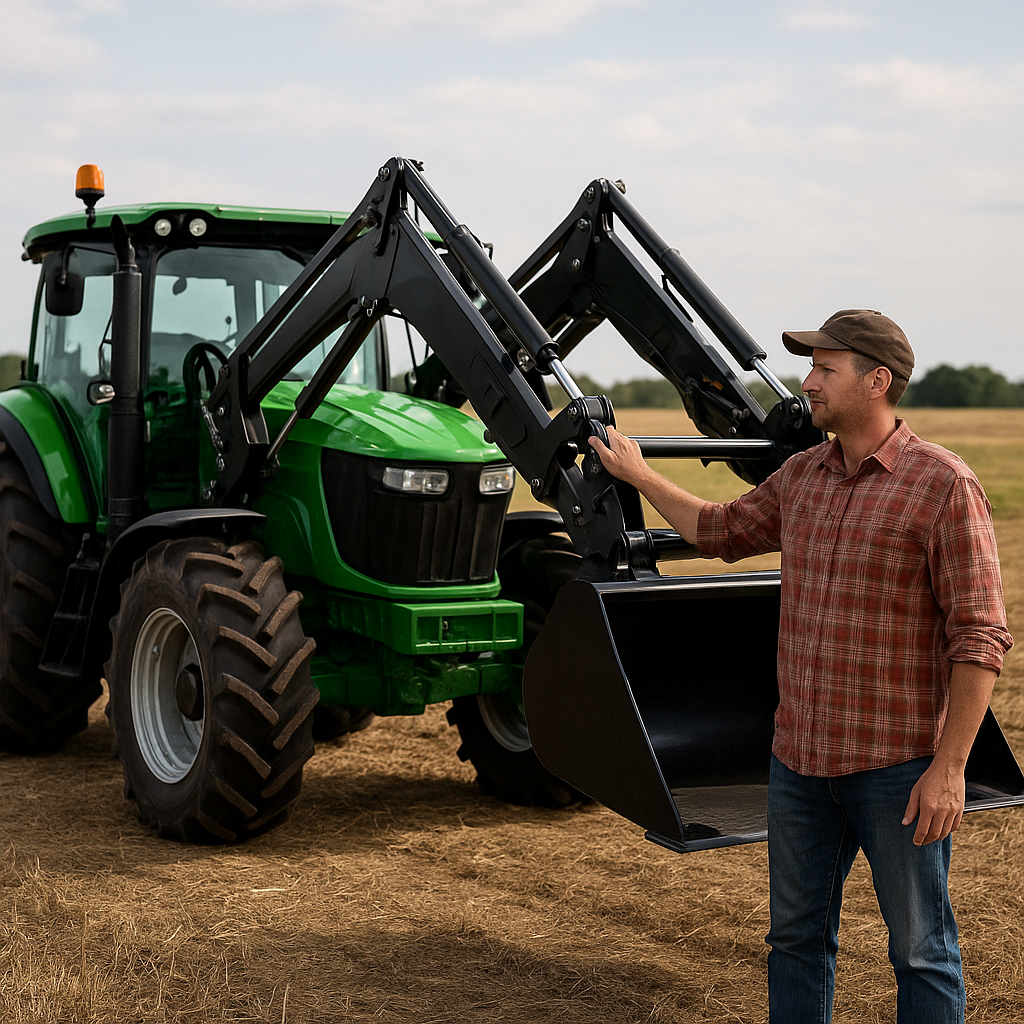
Front loaders attach to the front of a tractor and provide powerful lifting and loading capabilities. They consist of several core components:
- Boom – The main arm that extends and retracts.
- Bucket – The scoop used for moving loose material.
- Hydraulic Cylinders – Provide lifting force and tilt control.
At its heart, a front loader converts hydraulic pressure from the tractor’s system into mechanical energy. Understanding how each component interacts is crucial. The loader’s structural design must complement your tractor’s frame and engine power. Always consider the loader’s rated capacity and maximum lift height to avoid overloading or stalling your tractor.
Loader Capacity and Lift Height
Every loader comes with a rated capacity—usually measured at the pivot pin or at full dump height. Exceeding this capacity can damage the loader arms or the tractor’s subframe. Lift height determines how high you can tip material into trucks or wagons. Matching lift height to your usual tasks ensures you can load trailers or bins without difficulty.
Hydraulic System Requirements
A front loader draws oil from your tractor’s hydraulic pump. You’ll need to verify:
- Pump flow rate (gallons per minute or liters per minute)
- System pressure (PSI or bar)
- Number of circuits (single vs. dual)
Installing a loader that demands more flow or pressure than your tractor can deliver will result in sluggish operation, heating issues, and premature wear. Conversely, a tractor with surplus hydraulic capacity can handle heavy-duty tasks more efficiently.
Key Factors to Consider When Choosing a Front Loader
With various models and brands on the market, you should weigh multiple factors to ensure the loader you select meets your demands.
Tractor Compatibility
Loaders are often designed to fit specific tractor models or size categories. Check your tractor’s:
- Horsepower rating
- Cargo weight distribution
- Frame mounting points
A mismatch can result in improper fitment, reduced stability, and safety hazards. Always consult manufacturer guides or authorized dealers to confirm compatibility.
Material and Build Quality
Durable construction matters when you’re working in abrasive or heavy-duty environments. Look for loaders with:
- Reinforced steel arms and gusset plates
- High-strength pins and bushings
- Corrosion-resistant finishes
These features extend service intervals and maintain structural integrity under stress.
Versatility of Attachments
Beyond buckets, consider other implements:
- Grapples – Ideal for moving logs or brush
- Pallet forks – For loading stacked materials and pallets
- Snow blades – Useful in winter maintenance
A loader with a universal quick-attach system lets you switch between attachments rapidly, increasing your machine’s overall versatility.
Ensuring Compatibility with Your Tractor
Proper mounting and integration with your tractor’s systems are crucial for optimal performance. Key compatibility areas include:
Mounting Kit and Quick-Attach Frames
A precise mounting kit ensures the loader anchors firmly to the tractor’s chassis. Quick-attach frames facilitate fast installation and removal. Verify that:
- Mount points align with the subframe
- Hydraulic lines reach the auxiliary ports without kinks
- Weight distribution remains balanced front to rear
Hydraulic Line Routing and Connections
Neatly routed lines reduce risk of abrasion and leakage. Standard couplers include flat-face quick connects that minimize spillage. Color-coded or labeled hoses simplify attachment and detachment, preventing cross-connections that could damage components.
Electrical Controls and Joystick Options
Modern loaders may require electric or electronic controls for features like:
- Return-to-dig positioning
- Automatic bucket level
- Full-function joystick operation
Upgrading your tractor’s control valves or adding an electric joystick can greatly enhance loader efficiency and operator comfort.
Exploring Different Types of Front Loader Attachments
Each attachment serves a specialized function. Understanding their uses helps you tailor your loader to specific tasks.
General-Purpose Bucket
The most common attachment, perfect for moving soil, sand, or light debris. Look for models with bolt-on cutting edges for easy replacement.
Multi-Purpose Bucket
Also known as a 4-in-1 bucket, it opens like a grapple, loads like a bucket, and acts as a dozer blade or scraper. Its multifaceted design offers maximum versatility for varied jobs.
Pallet Fork Set
Adjustable forks allow you to pick up, carry, and stack pallets, lumber, or other bulky items. Ensure the fork carriage matches your loader’s lift capacity.
Grapple Rake
Ideal for handling brush, demolition debris, and loose material. The grapple’s tines and top clamp secure irregular loads for safe transport.
Maintenance, Safety, and Longevity
Proper upkeep preserves loader performance and extends its service life.
Routine Inspection and Lubrication
- Check pins and bushings weekly for wear
- Grease all pivot points as recommended
- Inspect hydraulic hoses for cracks or leaks
Early detection of wear prevents costly repairs down the line.
Safe Operation Practices
Always follow these guidelines to protect yourself and your equipment:
- Operate on level ground when possible
- Avoid sudden movements that can shift the load
- Keep bystanders at a safe distance
- Never exceed the loader’s rated capacity
Adhering to safe practices minimizes downtime and liability.
Scheduled Servicing
Follow the loader manufacturer’s service intervals for hydraulic fluid changes, filter replacements, and structural inspections. A well-maintained loader delivers consistent performance and helps ensure maximum resale value.
Making the Right Investment
Selecting the right front loader for your tractor involves balancing factors like weight, capacity, attachment compatibility, and overall build quality. By considering your typical workload, hydraulic system constraints, and desired attachments, you can pinpoint a loader that offers both immediate performance gains and long-term reliability. Prioritize safety, maintenance, and proper installation to get the most out of your investment and keep your tractor running at peak performance.