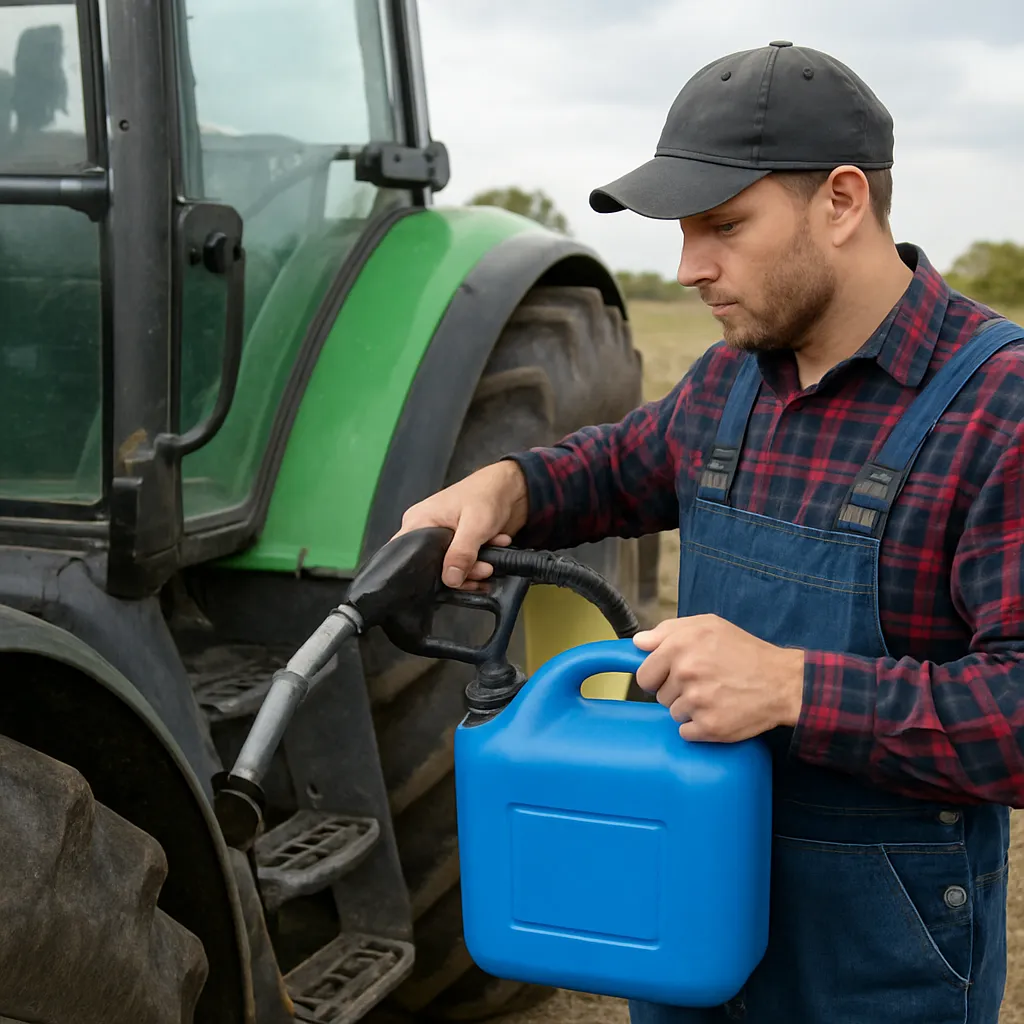
Operating a tractor on the farm demands careful attention to detail, especially when handling fuel. Every step, from preparation to post-refueling checks, can affect the engine performance and overall safety of the machinery and its operator. This guide covers best practices to minimize risks, reduce downtime, and protect both people and the environment.
Preparation Before Refueling
Before you begin any refueling task, make sure the tractor is completely powered down. This reduces the chance of accidental ignition of flammable vapors. Park the machine on a firm, level ground and set the parking brake. Engage wheel chocks if available to prevent any movement.
- Switch off the engine and allow it to cool for at least five minutes to dissipate heat.
- Locate the designated fueling area—ideally a well-ventilated spot, away from open flames or sparks.
- Ensure all protective equipment is at hand: gloves, safety glasses, and flame-resistant clothing if required.
Check the tractor’s fuel tank cap and surrounding area for debris or damage. Wipe away dust and dirt to prevent contaminants from entering the tank. Inspect fuel hoses and nozzles for cracks or leaks.
Safe Refueling Procedures
When refueling, follow a systematic approach to reduce the risk of spills, static discharge, and inhalation of hazardous fumes. Always maintain contact between the nozzle and the filler neck to ground any static buildup, eliminating the risk of a spark lighting residual vapors.
- Position the fuel nozzle correctly; insert it fully into the filler neck to minimize splash-back.
- Avoid overfilling. Leave space at the top of the tank to allow for thermal expansion of the fuel.
- Listen for the automatic shutoff click if using a pistol grip; do not override it by squeezing the lever again.
- Never smoke or use electronic devices near the fueling point. Underline this critical rule: No Smoking.
In cold climates, condensation can accumulate in tanks. Periodically drain the fuel-water separator and replace filters as recommended by the manufacturer. This prevents water contamination that could corrode fuel lines or impair injector operation.
Post-Refueling Checks and Maintenance
After filling the tank, inspect the area for leaks. Wipe down the filler cap and the tractor’s surface to remove drips or residues. Secure the cap to maintain a proper seal and prevent vapor escape.
- Start the engine and let it idle for a few minutes. Check for any unusual noises or smoke indicating improper combustion.
- Monitor fuel gauges and watch for sudden drops that could signal a leak.
- Examine hoses, fittings, and joints for signs of wear or cracking. Replace any defective parts immediately.
Regular maintenance of the refueling system extends tractor life and prevents costly breakdowns. Keep a log of filter changes, hose replacements, and scheduled inspections to ensure nothing is overlooked.
Environmental and Additional Safety Tips
Spills and leaks not only endanger people but also contaminate soil and water sources. Always carry an absorbent spill kit when refueling. In the event of a spill:
- Contain the liquid using absorbent pads or granules.
- Dispose of contaminated materials in approved containers.
- Report large spills to environmental authorities in compliance with local regulations.
Train all farm staff on emergency procedures, including how to shut off pumps, handle fire extinguishers, and perform first aid in case of chemical exposure. Proper instruction empowers every operator to react swiftly and effectively under pressure.
By integrating these practices into your routine, you’ll safeguard lives, preserve machinery, and uphold environmental standards. Consistent attention to detail ensures that each refueling cycle contributes to long-term efficiency and reliable farm operations.