Retrofitting older tractors transforms aging machinery into versatile platforms capable of meeting modern agricultural demands. By integrating advanced electronics, precision guidance, and real-time data monitoring, farmers can significantly enhance field productivity, fuel economy, and overall reliability. This guide explores practical steps for upgrading legacy tractors, focusing on compatibility assessment, key technological solutions, installation strategies, and ongoing maintenance. Whether you operate a vintage two-wheel-drive model or a classic four-wheel-drive workhorse, careful planning and systematic approaches will ensure a successful modernization project.
Assessing the Compatibility of Older Tractors
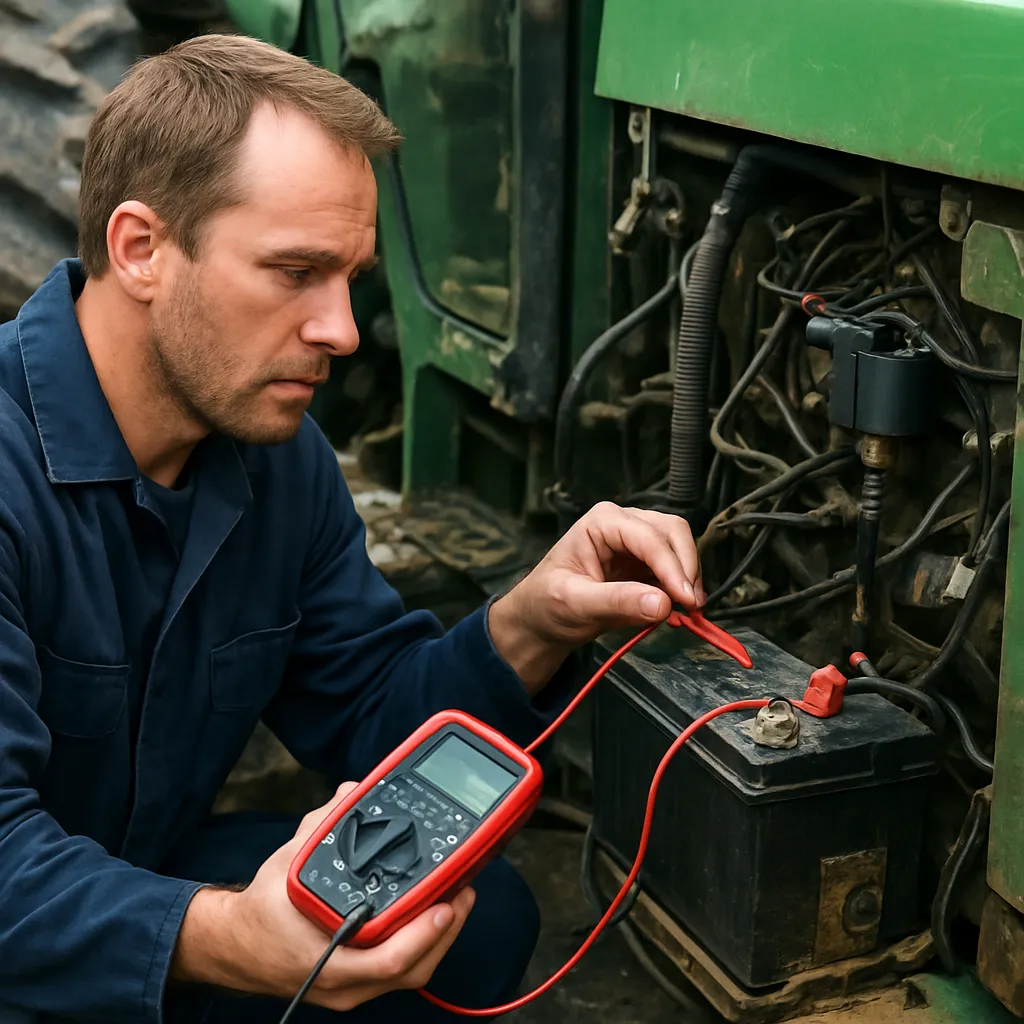
Before selecting components, conduct a thorough evaluation of your tractor’s mechanical and electrical systems. Check for structural integrity in the chassis, steering linkages, and hydraulic circuits. Verify the condition of the engine block, transmission, and differential—any major wear may compromise the benefits of new electronics. Examine the existing wiring harness and fuse box to determine whether it can accommodate added sensors and control units without significant rewiring. You should also review the operator’s cabin: space constraints, mounting points, and ergonomic considerations will influence the placement of displays, joysticks, and control consoles.
Engine and Powertrain Adaptations
Upgrading fuel delivery and emissions control can dramatically improve efficiency and reduce operating costs. Common retrofits include:
- Electronic fuel injection (EFI) modules to replace mechanical pumps, delivering more precise air-fuel ratios
- Aftermarket diesel particulate filters (DPF) and selective catalytic reduction (SCR) systems to meet stricter emission standards
- ECU remapping or add-on engine control units to optimize torque curves and enhance performance
These modifications often require custom sensor brackets and interceptor harnesses. Professional dyno testing ensures safe tuning and reliable integration.
Electrical and Hydraulic System Review
Older tractors frequently feature 12V electrical systems with limited alternator capacity. Consider upgrading to higher-output alternators, and install a secondary battery with an automatic isolator for power-hungry devices like telecommunications modules or autosteer controllers. Inspect hydraulic pumps, valves, and hoses for wear—introducing electronic flow control valves can yield smoother implement actuation and precision automation.
Key Technologies for Retrofitting
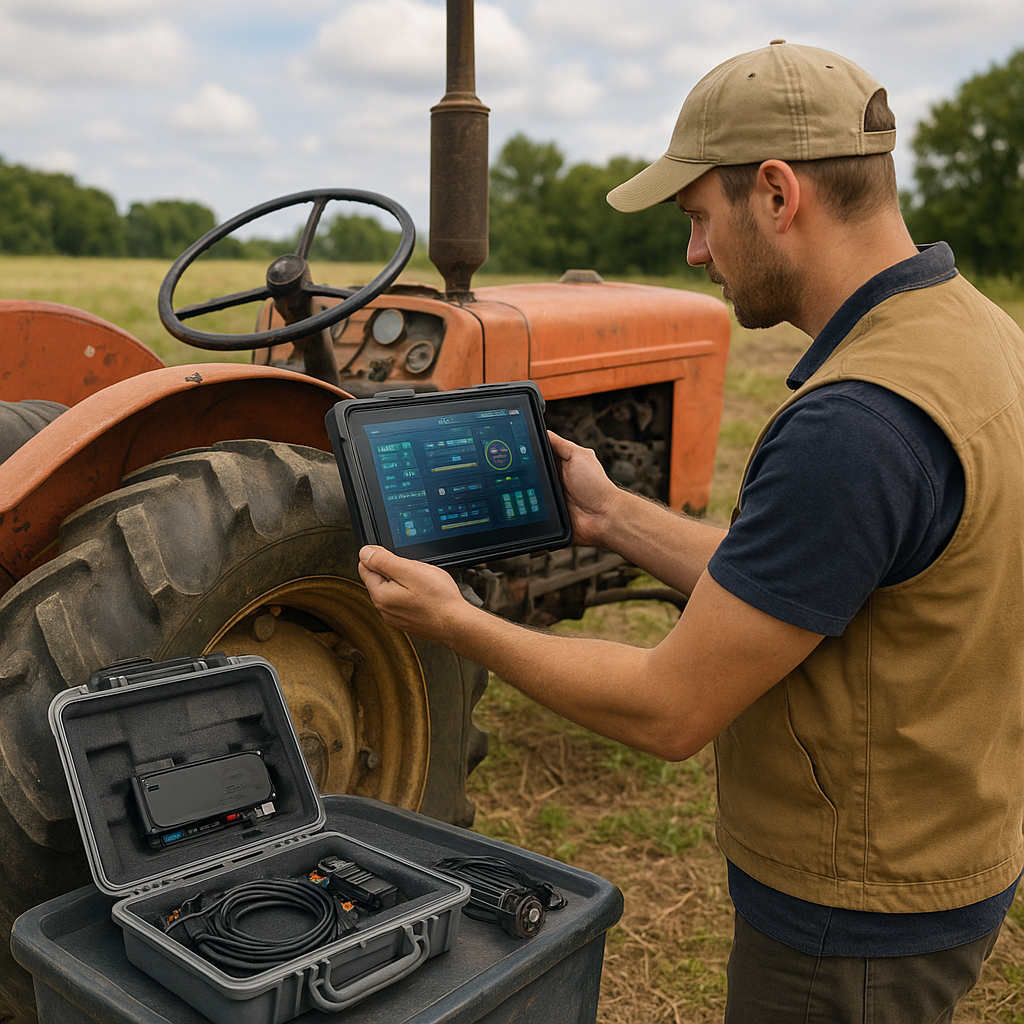
Integrating modern instruments and connectivity options transforms a basic workhorse into a smart farming tool. Some of the most impactful upgrades include:
- GPS Guidance Systems: Submeter to RTK (Real-Time Kinematic) accuracy solutions enable precise row following, reduced overlap, and minimized input waste.
- Telematics Platforms: Cloud-based data logging offers remote monitoring of fuel consumption, engine hours, and location, enhancing fleet management and service scheduling.
- Section Control and Variable Rate Technology (VRT): Adjust seeding, fertilization, and chemical application rates on-the-fly based on field prescriptions.
- Electronic Joystick Controllers: Replace mechanical linkages with proportional valves and multi-function joysticks for intuitive implement control.
- Advanced Display Units: Weather-resistant touchscreens featuring split-screen views of maps, diagnostics, and camera feeds.
When choosing devices, prioritize interoperability: ensure that the GPS receiver, display, and ECU speak the same data protocol (e.g., ISOBUS or proprietary CAN bus). Compatibility reduces wiring complexity and simplifies troubleshooting.
Installation Strategies and Best Practices
Implementing retrofits requires meticulous planning and adherence to safety standards. Follow these guidelines to ensure a smooth upgrade:
- Develop a wiring diagram before cutting into harnesses. Label all connections with heat-shrink tags, and document wire colors and pin assignments.
- Use automotive-grade connectors and heat-shrink tubing to protect against moisture, dust, and vibration. Seal all junctions with silicone or epoxy as needed.
- Mount electronic modules in secure, ventilated enclosures away from high-heat zones. Under-bonnet locations may require additional heat shielding.
- Route sensor cables along existing harness paths, securing them with UV-resistant ties. Keep harnesses clear of moving parts and implement linkages.
- Grounding is critical: attach all sensor and controller grounds to a common chassis point to avoid diagnostics errors caused by ground loops.
Before commissioning, perform a comprehensive bench test. Simulate sensor inputs and verify output responses using a diagnostic tool or laptop. Once satisfied, carry out a controlled field trial, checking calibration accuracy for each function.
Maintenance and Troubleshooting
After installation, establish a routine inspection schedule to preserve system reliability. Key tasks include:
- Cleaning display screens and connectors to prevent corrosion and ensure clear readouts.
- Updating firmware in GPS modules and control units to benefit from new features and bug fixes.
- Verifying calibration of flow sensors and implement control valves at the start of each season.
- Monitoring telematics reports for anomalies in productivity metrics, fuel burn, or error codes.
If issues arise—such as erratic implement behavior or loss of satellite signal—consult error logs in the main display. Many systems offer real-time alerts for low voltage, hydraulic pressure drops, or sensor malfunctions. In complex cases, revert to the documented wiring diagram and use a multimeter to trace continuity and voltage levels. Collaboration with specialized agricultural electronics technicians can expedite diagnostics and repairs.
Future-Proofing Your Tractor
Investing in modular components enhances sustainability and allows seamless integration of upcoming advances. Look for open-standard interfaces and scalable power supplies that can support additional sensors or new communication protocols. By choosing expandable displays and network nodes, you ensure that your retrofitted tractor remains adaptable to evolving precision agriculture trends, such as drone-based field mapping and edge-computing AI for crop monitoring.