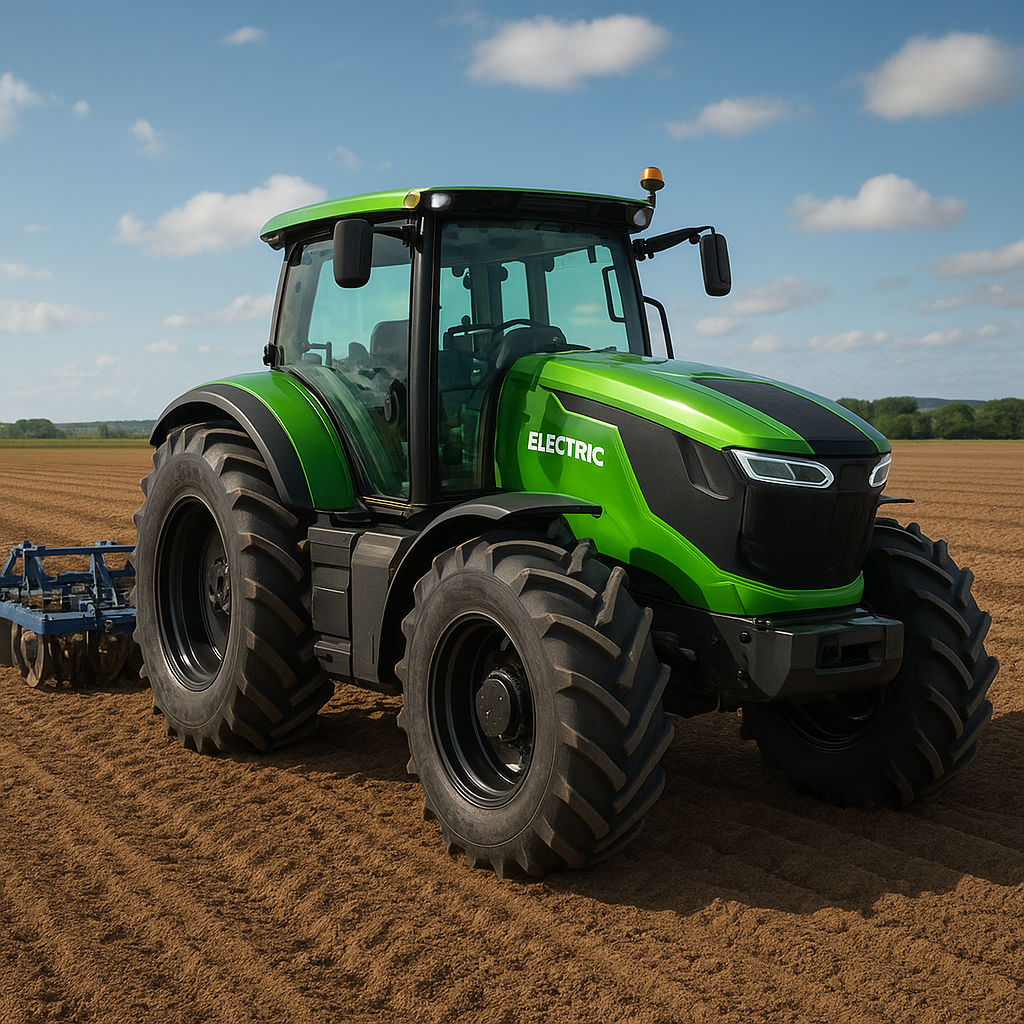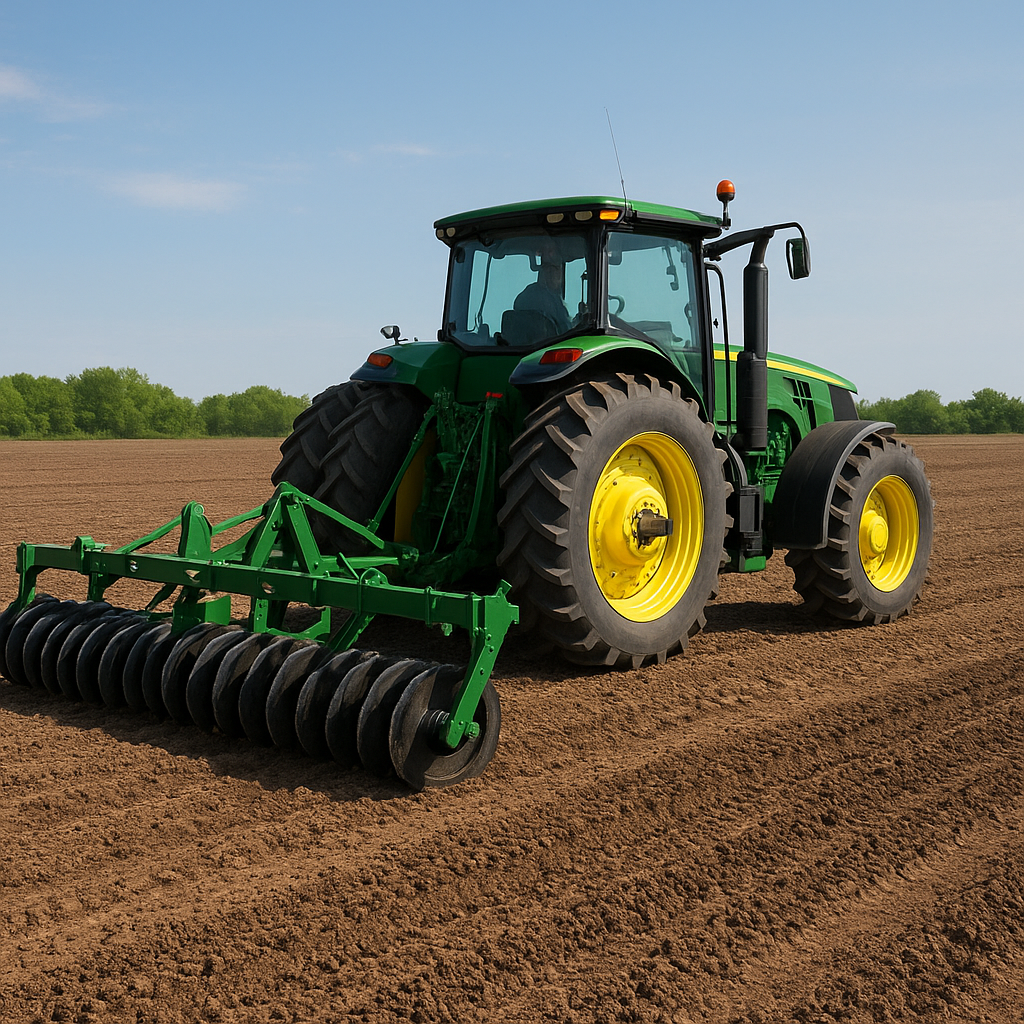
Reducing soil compaction is a critical factor in ensuring healthy crop growth and sustaining long-term productivity. By carefully selecting the optimal tractor setup, farmers can maintain soil structure, promote robust root development, and improve water infiltration. This article explores various strategies—from tire configurations and ballast adjustments to precision technologies—to help you achieve an efficient and sustainable farming operation.
Importance of Minimizing Soil Compaction in Modern Farming
Soil compaction occurs when heavy equipment presses soil particles tightly together, decreasing pore space and impeding root penetration. Compacted soil can lead to reduced aeration, restricted water infiltration, and diminished microbial activity. Over time, these effects translate into lower yields, increased runoff, and higher input costs. By focusing on tractor setup and field management, you can mitigate these risks and support a more productive farm ecosystem.
- Root restriction: Compacted layers limit root growth depth.
- Waterlogging: Poor drainage leads to oxygen-starved roots.
- Nutrient uptake: Dense soil reduces nutrient availability.
Choosing the Right Tractor Weight and Tire Configuration
One of the primary factors influencing compaction is the amount of ground pressure exerted by your tractor. Achieving the correct balance between weight and footprint minimizes stress on the soil profile.
Tractor Axle Load Distribution
Ensure the front-to-rear weight ratio is approximately 40:60 or 50:50, depending on implement requirements. Proper distribution reduces excessive pressure on one axle and prevents the formation of deep compaction layers.
Implementing Low-Ground-Pressure Tires
Low-ground-pressure (LGP) tires feature wider treads and lower inflation pressures to increase the contact area. These tires can distribute mass more evenly, decreasing peak soil pressure:
- Wide-base radial tires
- Dual tires with low-profile design
- Flotation tires for wet or light soils
When selecting tires, consider soil type, climate conditions, and typical field operations. For example, clay soils benefit greatly from wider, low-pressure tires, while sandy soils may require slightly higher inflation to avoid unnecessary drift.
Optimizing Tire Pressure and Ballasting
Proper tire pressure is crucial for maximizing the footprint without sacrificing traction. Too high, and you concentrate weight on a small area; too low, and you risk tire damage or wheel slip.
Dynamic Air Pressure Adjustments
Using a centralized tire inflation system (CTIS) allows real-time pressure changes from the cab. Lowering pressure during fieldwork and raising it for transport can reduce compaction while maintaining road performance.
Strategic Ballasting Techniques
Ballasting adjusts the tractor’s weight to match the load and maintain stability. Follow these guidelines:
- Add wheel weights or liquid ballast incrementally: avoid unnecessary excess weight.
- Match ballast to implement size to keep the weight ratio within optimal limits.
- Consider modular ballast systems to adapt quickly to different field tasks.
By optimizing ballast, you ensure sufficient traction for implements without transmitting excessive pressure to the soil surface.
Implementing Controlled Traffic Farming (CTF)
Controlled Traffic Farming confines all tractor and implement movement to permanent traffic lanes, sparing the majority of the field from repeated passes. This approach significantly reduces widespread compaction.
Establishing Permanent Lanes
- Align implements to the same track width to use consistent tramlines.
- Map lane positions using GPS or RTK guidance for precision.
Benefits of CTF
- Minimizes the area under compaction, preserving soil structure in crop rows.
- Improves fuel efficiency by reducing wheel slip and unnecessary overlap.
- Facilitates timely field operations, even under wet conditions.
Adopting CTF requires careful planning but yields long-term advantages in both soil health and operational efficiency.
Advanced Precision Agriculture Technologies
Modern precision technologies can further enhance soil protection efforts by delivering data-driven insights and automation.
GPS and RTK Guidance Systems
GPS-based auto-steer systems allow tractors to follow precise paths within centimeters of accuracy. Benefits include:
- Reduced overlap and fewer pass-overs
- Consistent tramlines for CTF applications
- Lower operator fatigue and improved safety
Soil Compaction Mapping
On-the-go compaction sensors and yield monitors help you create compaction maps, identifying zones that require remedial action like deep ripping or targeted subsoiling.
Variable-Rate Application Equipment
Combine variable-rate seeding and fertilizer spreaders with compaction data to ensure nutrients and seeds are placed in optimal conditions, maximizing root growth potential.
Practical Maintenance and Operator Training
Even the best equipment setup can fail to prevent compaction if maintenance and operator practices are overlooked.
Routine Equipment Checks
- Inspect tires regularly for wear, cuts, and proper inflation.
- Service ballast systems to avoid uneven weight distribution.
- Calibrate CTIS periodically to maintain accurate pressure readings.
Operator Awareness and Training
Educate operators on:
- The importance of reducing unnecessary passes.
- Adjusting tire pressure and ballast according to field conditions.
- Using guidance technology effectively to stay on designated lanes.
Well-trained operators are the final defense against soil compaction, ensuring each field pass contributes to improved soil health rather than degradation.