Hydraulic systems play an indispensable role in modern tractors, powering implements, steering, and lifting functions with precision and force. Maintaining pristine fluid quality is the cornerstone of system performance, reducing wear, avoiding downtime, and extending component life. This article explores proven methods to prevent hydraulic contamination, delving into system design, routine checks, and advanced monitoring techniques to safeguard your equipment.
Understanding Hydraulic Contamination
Contamination in hydraulic circuits undermines both efficiency and reliability. Tiny particles, water, air bubbles, or chemical degradation by-products can erode seals, spools, and pumps. Tractor hydraulics—exposed to harsh environments like dusty fields, muddy yards, and temperature extremes—are particularly vulnerable. Recognizing how contaminants enter and behave within the system is the first step toward prevention.
Types of Contaminants
- Solid Particles: Dust, metal shavings, and wear debris.
- Water: Condensation, leaky cooling units, or unfiltered fill water.
- Air: Infiltration at low-pressure points or cavitation.
- Chemical By-products: Oxidation products or additive breakdown.
Impact on Tractor Components
Contaminants can cause scoring on cylinder rods, block spools, accelerate pump wear, and trigger erratic valve response. Over time, these micro-level damages escalate into costly repairs. Prioritizing fluid cleanliness preserves component tolerances and maintains optimum tractor performance.
Sources and Entry Points of Contaminants
Tractors operate in demanding conditions where external and internal factors threaten fluid quality. Understanding these sources allows technicians and operators to target prevention at its origin.
External Threats
- Reservoir Breathers: Inadequate breathers permit dust and moisture ingress during tank breathing.
- Fluid Fill Points: Unfiltered fill or poorly sealed caps introduce particles and water.
- Hose & Seal Failures: Abrasive wear or mechanical damage can degrade barrier integrity.
Internal Generation
- Component Wear: Friction between metal surfaces sheds microscopic particles.
- Fluid Degradation: High operating temperatures accelerate oxidation and sludge formation.
- Cavitation & Aeration: Vacuum pockets collapse within pumps, producing microscopic air bubbles that erode surfaces.
Effective Prevention Strategies
Implementing a robust contamination control plan is essential for agricultural machinery where downtime affects productivity. The following strategies offer a layered defense against the introduction and proliferation of harmful particles and fluids.
Filtration and Particle Removal
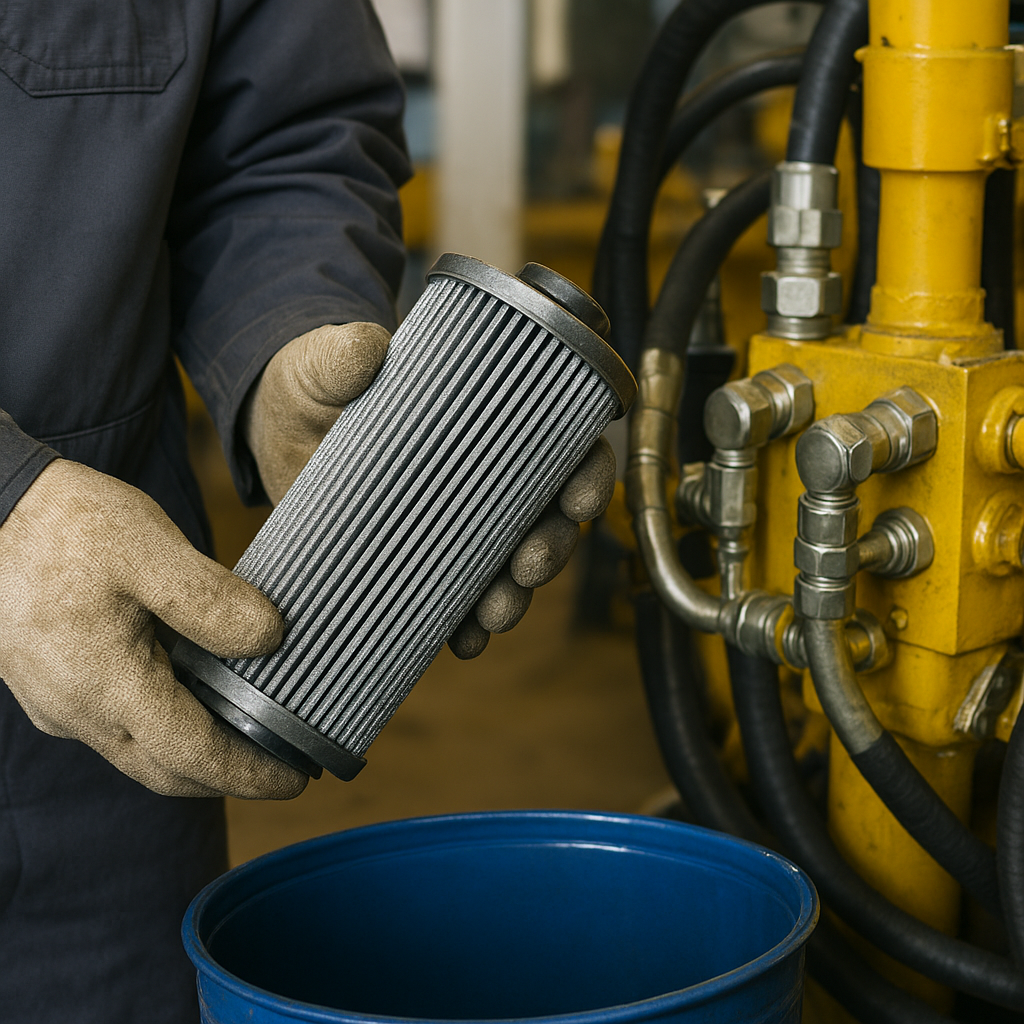
- High-Efficiency Suction Strainers: Install filtration devices at reservoir inlets to trap large debris before it circulates.
- Pressure-Line Filters: Select micron ratings that match pump and valve tolerances; replace elements according to operating hours or differential pressure alarms.
- Offline Filtration Units: Portable or permanently-mounted units that continuously cleanse fluid, reducing online filter loading and extending service life.
Reservoir and Breather Design
Upgrade tank breathers with desiccant or vacuum filters to eliminate moisture entry. Ensure reservoir vents are elevated and protected from splash zones. Incorporating baffles within the tank reduces fluid agitation and air entrainment during implement operation.
Proper Fluid Handling and Storage
- Seal Containers: Keep hydraulic oil in sealed drums or tanks with clean dispensing pumps.
- Dedicated Funnels and Hoses: Label equipment to avoid cross-contamination from other fluids.
- Clean Fill Procedures: Wipe caps, strain hoses, and utilize inline filters during top-up operations.
Component Selection and Upgrades
Specify equipment rated for the tractor’s pressure and flow requirements. Modern pumps and valves often incorporate advanced wear-resistant coatings and tighter clearances, minimizing particle generation. Incorporate sensor-equipped filters that trigger alarms when differential pressure thresholds are exceeded.
Monitoring and Maintenance Practices
Proactive maintenance complements initial prevention efforts. Regular inspection, sampling, and analysis detect early signs of contamination, enabling timely intervention before severe damage occurs.
Fluid Sampling and Analysis
- Particle Count Testing: Use portable particle counters to measure ISO cleanliness codes, aiming to stay within manufacturer specifications.
- Water Content Measurement: Karl Fischer titration or inline moisture sensors reveal water ingress issues promptly.
- Viscosity and Acid Number Checks: Identify fluid degradation by monitoring viscosity drift and oxidation products.
Scheduled Maintenance Intervals
Follow a multi-tiered service plan:
- Daily Checks: Inspect breather condition, visible fluid leaks, and gauge filter bypass indicators.
- Monthly Inspections: Replace suction strainers, clean reservoir screens, and test fluid samples.
- Annual Overhaul: Flush entire hydraulic system using lubrication-compatible flushing agents, replace all filters, and inspect high-wear components for pitting or scoring.
Operator Training and Documentation
Empower operators with contamination-control best practices. Provide clear documentation on fill procedures, filter change protocols, and symptom identification (e.g., slow implement response or excessive heat). Maintaining a detailed service log enhances troubleshooting and justifies preventive investments.
Advanced Techniques for Contamination Control
Integrating cutting-edge technologies elevates contamination prevention to new levels, especially for high-value tractors and critical farming operations.
Condition Monitoring Systems
Install real-time monitoring modules that track fluid parameters such as temperature, pressure pulsations, and particulate counts. Automated alerts enable immediate corrective actions, preventing extended exposure to harmful conditions.
Nanofiber Filter Media
Nanofiber technology captures sub-micron debris more effectively than traditional cellulose filters, offering improved cleanliness without excessive pressure drop. These filters prolong pump life and maintain consistent system pressure.
Bio-based Hydraulic Fluids
Renewable, biodegradable fluids often include advanced additive packages designed to resist oxidation and microbial growth. While compatibility checks are essential, these fluids can reduce the severity of chemical by-products and environmental risks in case of leaks.
Electrostatic Filters
Electrostatic units impart an electric charge to particles, drawing them onto collector plates. This method excels at removing sub-micron contaminants that pass through conventional filters, further polishing the fluid.
Best Practices for Tractor Fleets
Managing multiple tractors amplifies the risk of cross-contamination and logistical challenges. Implement these fleet-wide measures to maintain consistency across all units.
- Centralized Fluid Storage: Use a controlled environment storage room for hydraulic oils, away from dust and moisture.
- Standardized Filter Inventory: Stock genuine or OEM-quality filters with known performance characteristics.
- Mobile Service Trailers: Equip trailers with offline filtration, sampling kits, and spare parts to service machines promptly in the field.
- Benchmarking and KPIs: Track average ISO cleanliness, filter change intervals, and mean time between failures to identify improvement opportunities.
Conclusion
Preventing hydraulic contamination in tractors demands a holistic approach, combining system design, disciplined maintenance, and advanced monitoring. By focusing on fluid cleanliness, employing reliable filtration methods, and leveraging smart technologies, operators can maximize equipment uptime, reduce lifecycle costs, and ensure safe, efficient field performance.