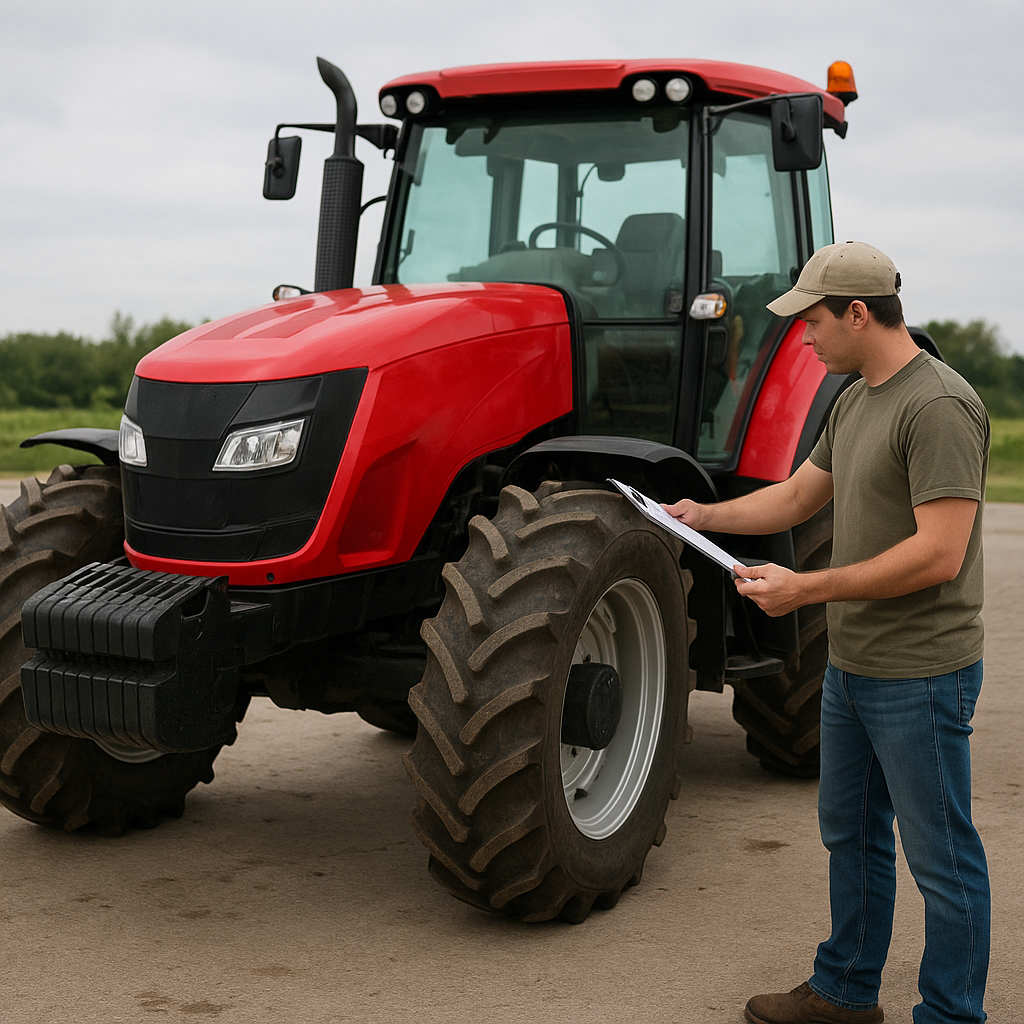
Getting your tractor in top shape before the busiest time of year can make all the difference between a smooth harvest and unexpected downtime. By following a structured approach to maintenance and inspection, you can enhance performance, extend the life of your equipment, and ensure operator safety in the field. The steps outlined below cover everything from basic checks to advanced tuning procedures that will help your tractor meet the demands of harvest season.
Pre-Season Inspection and Safety Checks
- Inspection of all safety devices: Before you even start the engine, verify that rollover protection structures (ROPS), seat belts, and operator guards are in place and functioning correctly. Never bypass these essential features.
- Visual scan for leaks: Walk around the tractor and look under the chassis, near the engine block, and around the hydraulic pumps for any signs of oil, fuel, or coolant leaks. Early detection prevents major breakdowns during harvest.
- Lighting and electrical systems: Check headlights, turn signals, hazard lights, and work lamps. Replace burned-out bulbs and examine wiring harnesses for wear or rodent damage.
- Brake and clutch operation: Engage and release the brakes and clutch to ensure smooth motion. If you detect slipping, unusual noises, or spongy pedal feel, schedule an adjustment or hydraulic system service immediately.
Engine and Powertrain Maintenance
The engine is the heart of your tractor. A well-tuned powerplant improves fuel economy and reduces wear on other drivetrain components.
Oil and Filter Service
- Change engine oil based on manufacturer recommendations or after a full season of heavy use. Use the correct oil grade and viscosity for expected operating temperatures.
- Install new oil, fuel, and air filters. A clogged air filter can reduce horsepower by up to 10%, so don’t cut corners on filtration.
- Check the crankcase breather for blockages; a free-flowing breather maintains proper crankcase pressure and prevents oil leaks.
Cooling System Tune-Up
- Flush coolant passages and refill with a recommended mixture of antifreeze and water to achieve optimal freezing and boiling point protection.
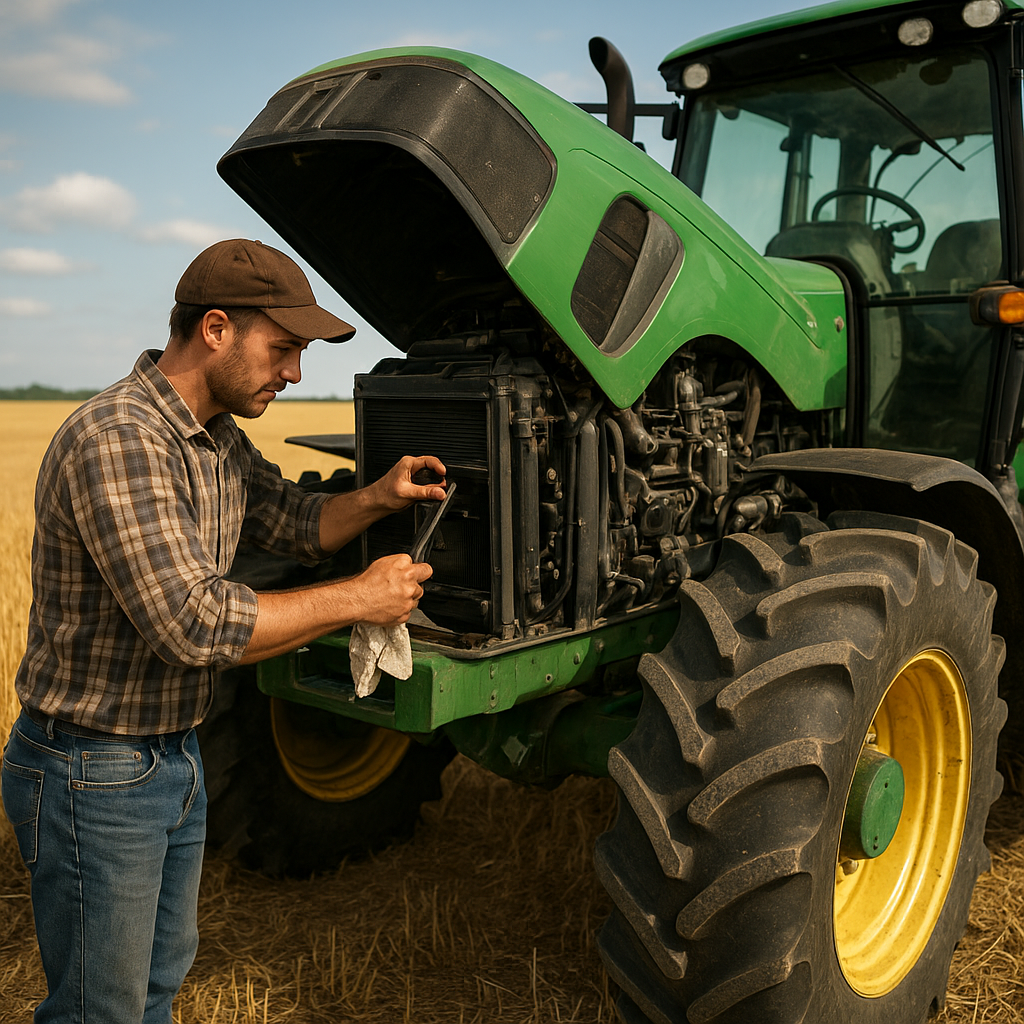
- Inspect radiator fins for debris or bent vanes. Cleaning or straightening these elements improves heat dissipation and prevents overheating.
- Test the thermostat and replace if it fails to open at the correct temperature threshold.
Hydraulic System and Attachments
Hydraulics power your implements and attachments, so maintaining this system is crucial for continuous operation during harvest.
- Hydraulic fluid level and quality: Drain old fluid if it shows contamination or has high moisture content. Top up with manufacturer-approved hydraulic oil.
- Examine hydraulic hoses and fittings for wear, cracks, or bulges. Replace any suspect hoses to prevent sudden failure under high pressure.
- Test attachment operation: Engage front loaders, rear implements, and three-point hitches. Check for smooth movement and absence of jerking or delays.
- Filter replacement: Swap out hydraulic filters at recommended intervals. Clean filters keep the system free of debris and protect pumps and valves.
Tires, Wheels, and Braking System
Your tractor’s contact with the ground determines traction and stability, especially on uneven or wet fields.
- Check tire pressure on both front and rear wheels. Underinflated tires reduce efficiency and can cause sidewall damage, while overinflated tires compromise traction.
- Inspect tread depth and look for cuts, punctures, or embedded foreign objects. Replace severely worn or damaged tires to maintain proper grip.
- Verify wheel lug torque using a calibrated torque wrench. Loose lugs can lead to catastrophic wheel loss.
- Assess brake pads and discs for wear. Replace worn pads and resurface or swap out discs if thickness falls below the manufacturer’s minimum specification.
Electrical System and Battery Care
A reliable electrical system is vital for starting the engine, powering lights, and running electronic controls.
- Battery inspection: Clean terminals and apply anti-corrosion spray. Test voltage with a multimeter; replace the battery if it fails to hold a charge.
- Starter and alternator check: Listen for grinding or high-pitched squeals during cranking. Test alternator output under load to confirm adequate charging voltage.
- Wiring harness condition: Look for exposed wires, chafing, or tape repairs that could short out under vibration. Secure loose cables and replace damaged sections.
Operator Comfort and Efficiency Tips
A comfortable operator is a productive operator. Ergonomics and control layout play a key role in long days behind the wheel.
- Seat inspection and adjustment: Ensure the suspension seat functions properly and adjust lumbar support for each driver to reduce fatigue.
- Climate control system: Service the cab heater and air conditioner. A clear windshield defogger helps maintain visibility.
- Visibility aids: Clean mirrors and windows. Install additional LED work lamps if field conditions get dark early or if dust obscures vision.
- Organize tools and accessories: Use mounting brackets and storage bins inside the cab to keep wrenches, grease guns, and spare fuses within easy reach.
Final Checks and Field Testing
Before you head to the field, run the tractor through a brief test drive to confirm all systems work in concert.
- Start the engine cold and let it idle until operating temperature is reached. Listen for unusual noises from the engine, transmission, or hydraulics.
- Engage front and rear implements under light load. Observe for smooth operation, proper engagement, and absence of leaks.
- Check instrument panel readings for oil pressure, coolant temperature, hydraulics pressure, and battery voltage. All gauges should remain in the green zone.
- Perform braking tests at low speed to verify response and stopping distance under load.
By systematically addressing these key areas—engine, hydraulics, tires, electrical systems, and operator comfort—you’ll achieve a reliable, high-performing tractor ready to tackle the harvest season demands. Investing time in thorough preparation now can save hours of costly downtime and ensure your equipment delivers peak output when you need it most.