Properly tuning a tractor for demanding tasks not only boosts **performance** but also extends equipment lifespan, enhances safety, and maximizes operational efficiency. This guide covers essential strategies to optimize power delivery, maintain critical systems, and refine on-field techniques when tackling heavy workloads.
Engine Efficiency and Preventive Maintenance
Routine Inspections and Diagnostics
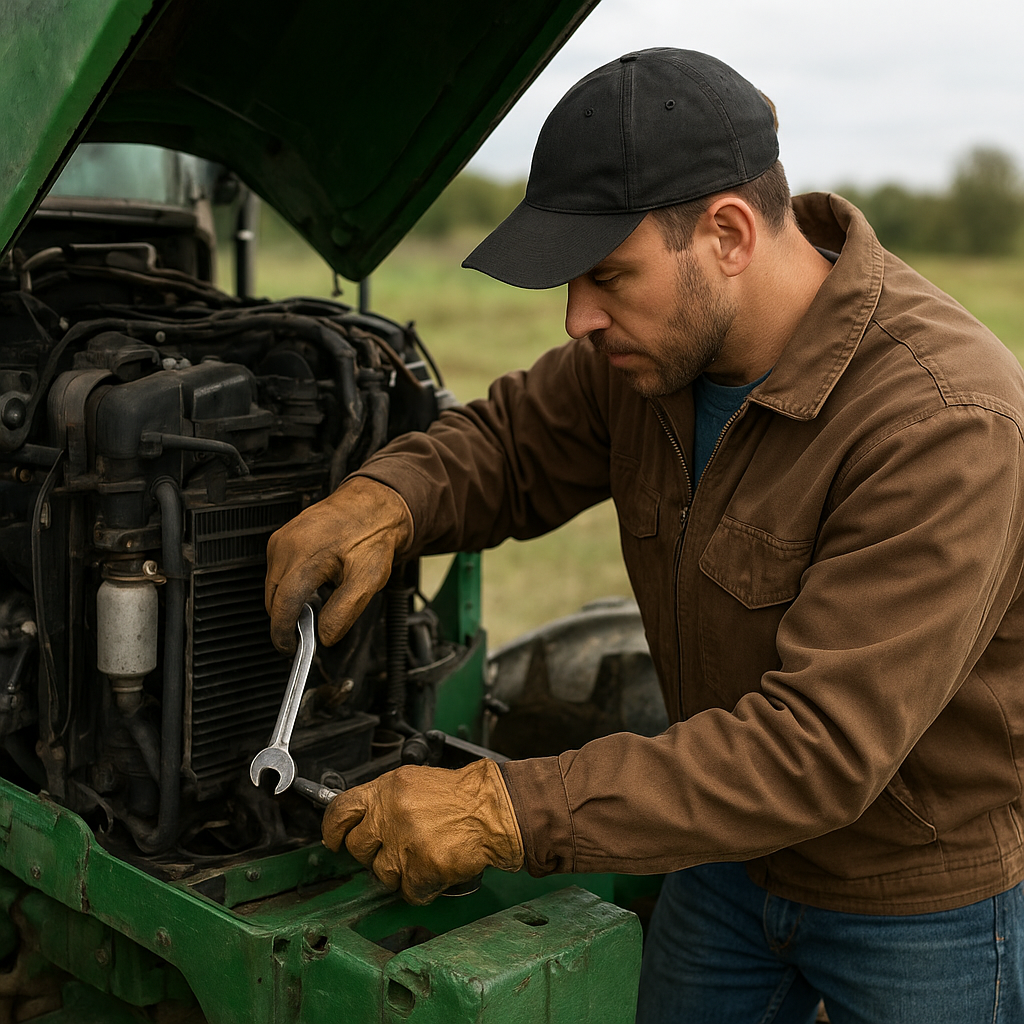
Frequent checks play a pivotal role in identifying wear before it leads to downtime. Inspect air intakes for debris, monitor coolant levels, and evaluate belt tension. Early detection of anomalies in engine performance prevents costly repairs and ensures sustained **power** output under load.
Fuel and Air Management
- Replace fuel filters according to manufacturer guidelines to maintain consistent **combustion** and avoid injector clogging.
- Keep the air filter clean or upgraded to a high-performance variant, ensuring optimal airflow for peak horsepower generation.
- Verify turbocharger integrity (if equipped) to maintain boost pressure and reduce smoke emissions.
Cooling System Optimization
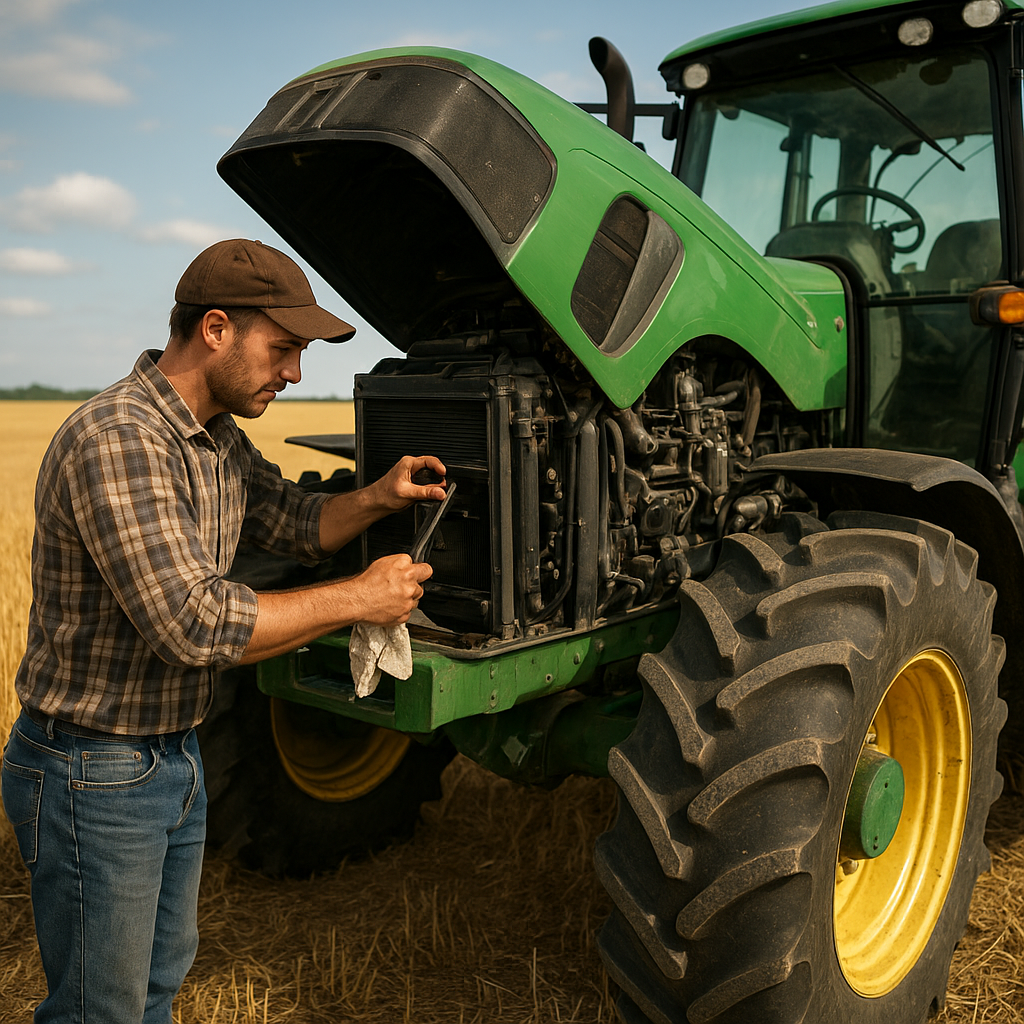
An efficient cooling system prevents overheating during prolonged, heavy-duty operations. Flush cooling circuits annually and inspect hoses and radiator fins. Installing a high-capacity radiator or auxiliary cooler can significantly lower operating temperatures, ensuring the engine runs at optimal thermal conditions.
Hydraulics and Transmission Tuning
Maintaining Hydraulic Integrity
Hydraulic power is at the heart of heavy lifting and implements control. Start by choosing the correct hydraulic fluid viscosity specified by the manufacturer. Monitor fluid levels and replace hydraulic oil in line with service intervals. Regularly test system pressure to detect leaks or weak pumps before they impact performance.
Transmission and Driveline Adjustments
- Check gearbox oil levels and change with high-quality, anti-wear lubricants to reduce gear chatter under strain.
- Inspect the clutch and differential components for surface wear; replace plates or bearings showing signs of heat damage.
- Adjust transmission shifting points for smooth power transfer, especially when operating at varying ground speeds.
Implementing Power Take-Off (PTO) Best Practices
Use the right PTO speed for each attachment to maximize efficiency. A PTO running too fast can cause excessive wear, while too slow a speed reduces output. Keep driveline shafts greased at all grease points and replace worn universal joints promptly to avoid vibration-induced failures.
Weight Distribution and Tire Management
Balancing Front and Rear Loads
Proper weight distribution enhances traction and stability. Add front or rear ballast as needed to maintain an even wheel load ratio. Overloading one axle can lead to premature wear on tires and drivetrain components, while underloading reduces traction under heavy pulls.
Optimizing Tire Pressure and Selection
- Refer to the tire manufacturer’s chart to set the correct inflation for field and transport conditions.
- Consider wide-base or dual tires to reduce soil compaction and spread heavy loads more evenly.
- Inspect tire treads for damage and replace aging tires to maintain reliable ground contact and traction.
Track Systems vs. Wheels
For extreme workloads and muddy fields, track systems can outperform wheels. Tracks distribute weight over a larger area, reducing ground pressure and improving pulling capacity. However, they require diligent undercarriage maintenance, including tension adjustments and regular cleaning of rollers and idlers.
Operator Techniques and Field Best Practices
Smooth Throttle and Gear Changes
An experienced operator modulates the throttle to avoid abrupt load spikes. Gradual acceleration keeps the transmission and hydraulics operating within optimal pressure ranges. Shift gears under low torque conditions when possible, reducing stress on internal components.
Implement Engagement and Speed Control
- Engage heavy implements at idle speed, then gradually increase throttle for a controlled start.
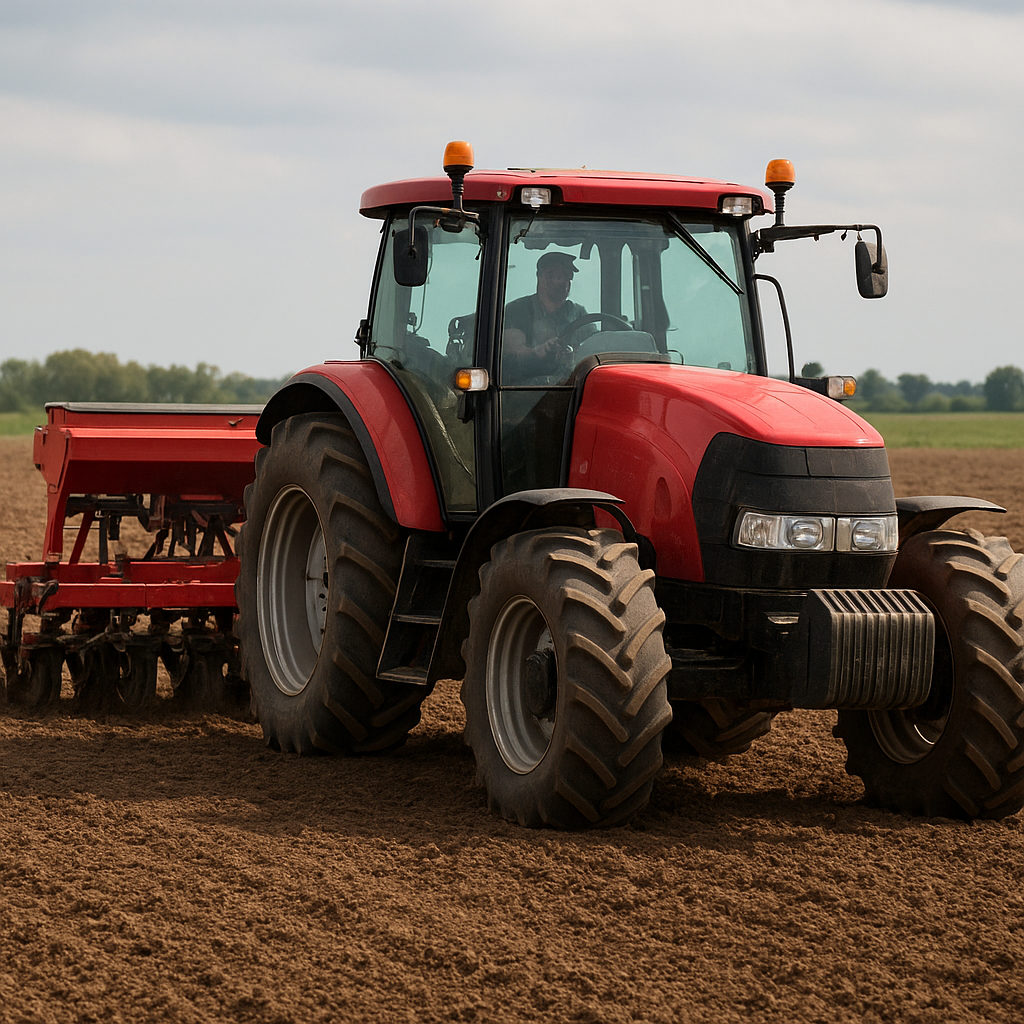
- Match forward speed to the task—slower speeds often yield better cut quality, deeper tillage, and reduced slippage in plowing or seeding operations.
- Use cruise or auto-steer systems for consistent speed and line accuracy, minimizing operator fatigue and maximizing coverage.
Field Layout and Planning
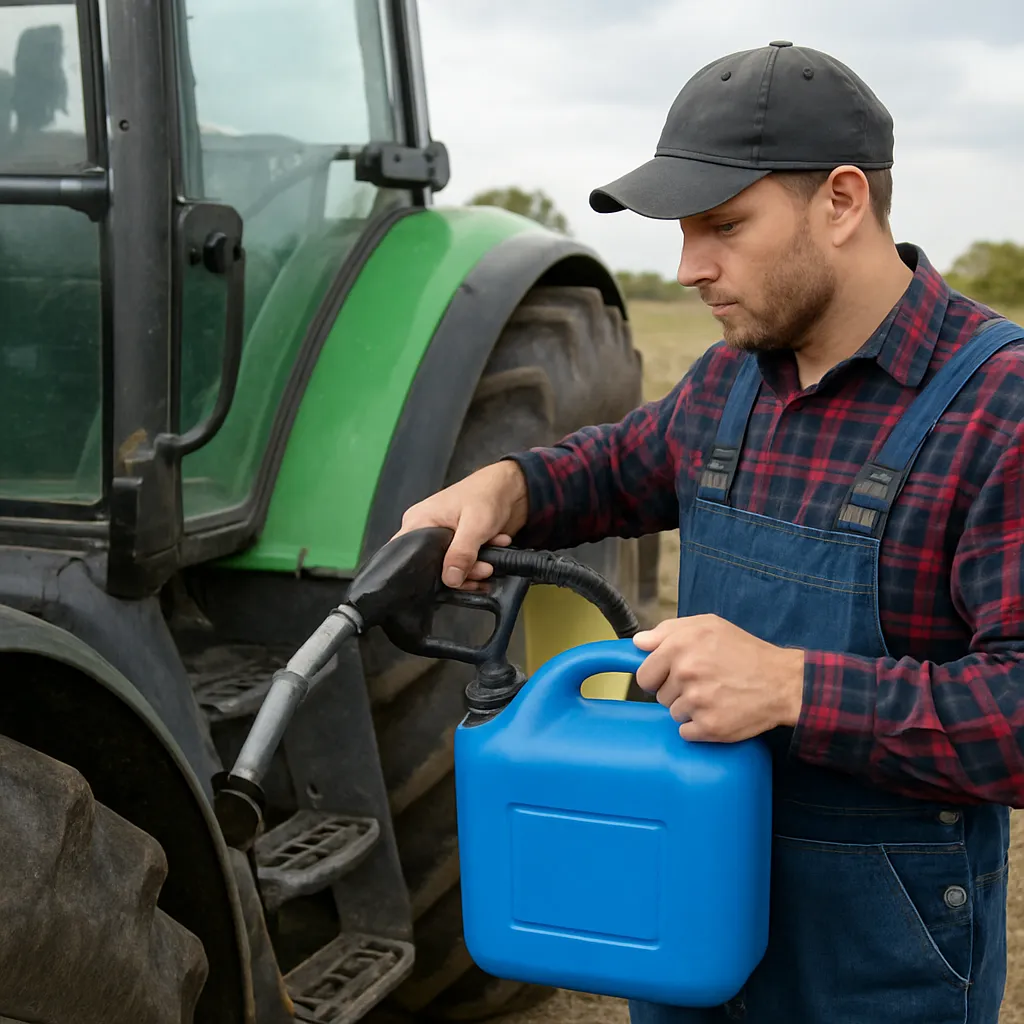
Efficient field patterns reduce unnecessary turning and idle time. Map out straight runs and avoid crossing unworked ground. Pre-plan refueling and maintenance stops close to working areas to minimize downtime. GIS and precision agriculture tools can help plot optimal paths and track real-time performance metrics.
Enhancing Longevity with Upgrades and Accessories
Advanced Filtration Systems
Upgrading to high-efficiency filtration for fluids and air extends service life and enhances reliability. Consider multi-stage filters or pulse-clean systems for extreme dust environments.
Aftermarket Software and Telemetry
- Install engine tuning modules to refine fuel delivery maps and boost torque in high-load scenarios.
- Use telemetry platforms to monitor vital signs—fuel consumption, hydraulic pressure, and temperature—providing instant alerts and predictive maintenance scheduling.
Comfort and Ergonomics
A well-equipped cab reduces operator fatigue, which indirectly improves safety and performance. Add heated seats, adjustable controls, and clear displays to keep operators engaged and attentive during extended shifts.