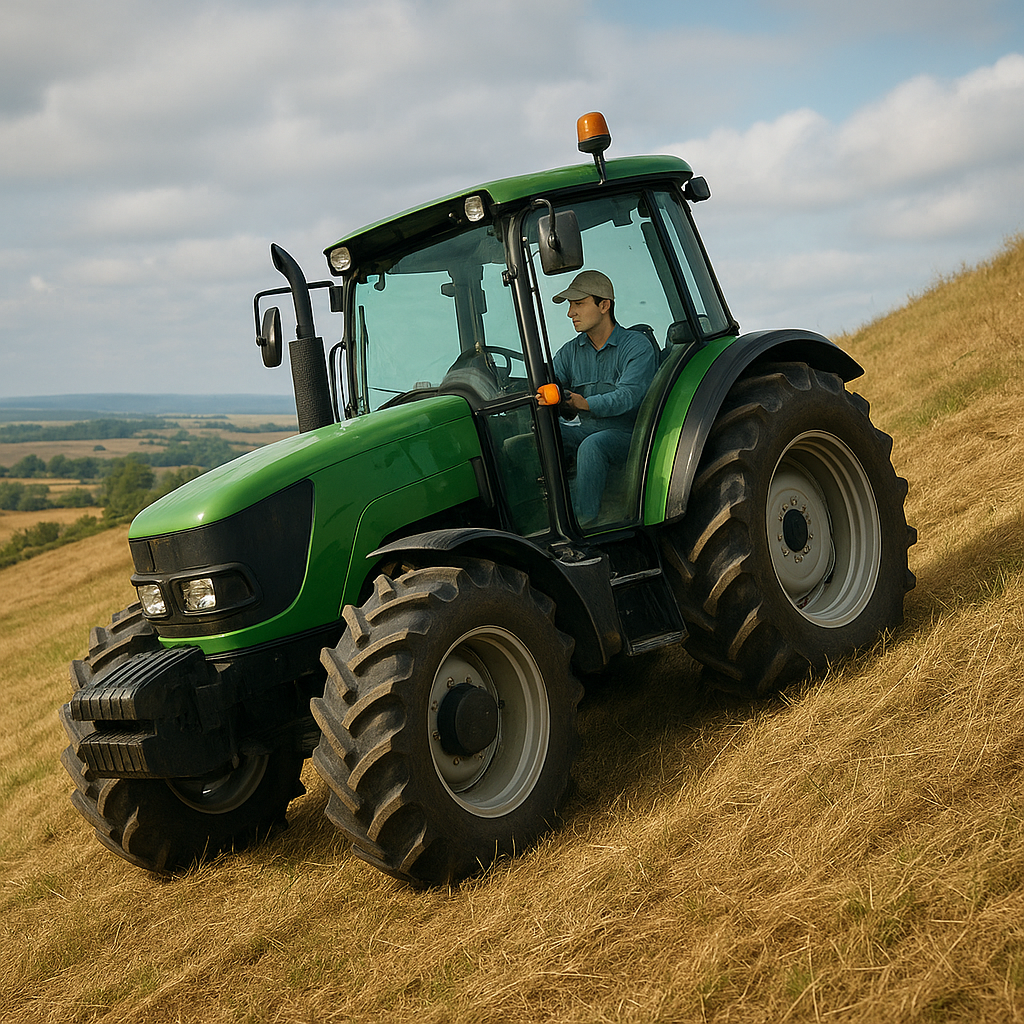
Operating a tractor on sloping terrain demands meticulous attention to detail and comprehensive knowledge of machine behavior. Failure to respect the unique challenges of inclined surfaces can lead to dangerous overturns, loss of control, or serious injury. By focusing on critical factors such as stability, traction, and proper approach angles, every operator can reduce the risk of mishaps and ensure consistent performance. The following guide explores essential principles and techniques that form the foundation of safe slope operation.
Understanding Slope Dynamics
Before engaging your tractor on a hill or embankment, you must evaluate the slope’s gradient and surface conditions. Steeper inclines shift the tractor’s center of gravity uphill, making it more prone to tipping. Soil moisture, mud, or loose gravel further influence traction and braking effectiveness. Always conduct a visual inspection to note potential hazards such as ruts, hidden depressions, or abrupt grade changes. A thorough understanding of how incline angle and ground cover interact will guide you in selecting the safest approach path.
Key factors to assess include soil type (clay, loam, sandy), vegetation cover, and any obstacles like rocks or tree stumps. Imagine a cross-sectional slice through the hill to determine where the tractor’s wheels will make contact. If the terrain features alternating ridges and troughs, you may need to adjust tire pressure to optimize traction. A well-informed evaluation allows you to plan routes that minimize lateral slopes and reduce rollover risk.
Pre-Operation Safety Checks
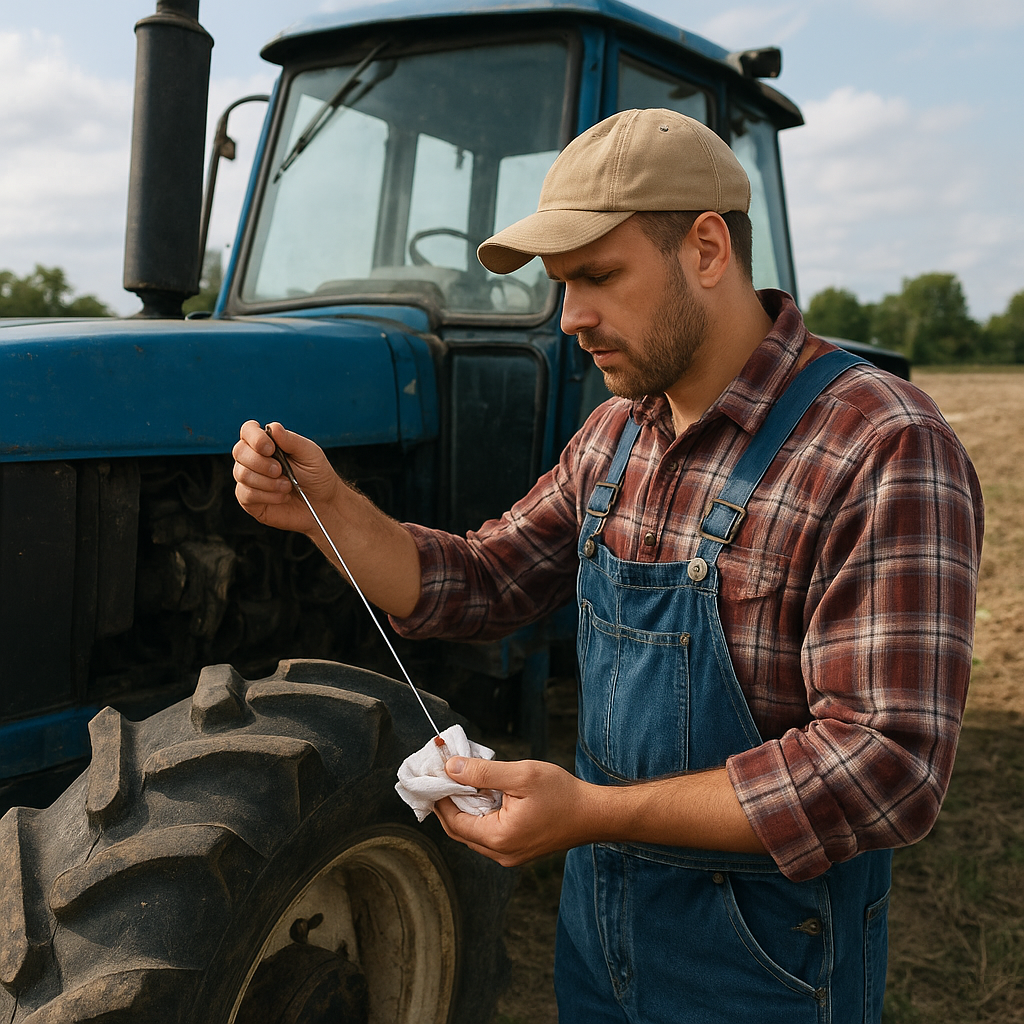
Regular maintenance is crucial for reliable performance on slopes. Before starting work, perform a comprehensive inspection covering these items:
- Verify that the roll-over protection structure (ROPS) is intact and correctly mounted.
- Inspect tires for proper inflation and sufficient tread depth to enhance grip.
- Check hydraulic fluid levels and ensure no visible leaks in critical lines.
- Confirm that the Power Take-Off (PTO) shield is in place to prevent entanglement.
- Test brakes and clutch operation to guarantee immediate response under load.
- Ensure that all lights, mirrors, and warning devices function correctly for clear visibility and communication.
Neglecting any of these steps compromises your ability to control the tractor precisely, especially when navigating uneven ground. Document each inspection and address any issues before tackling sloped areas. A properly maintained machine retains optimal weight distribution and reduces the likelihood of unpredictable behavior.
Safe Driving Techniques on Slopes
Once the tractor is ready, follow specialized maneuvers to traverse slopes safely. Approach inclines at a controlled, steady speed—avoid abrupt acceleration or sudden braking. On uphill climbs, engage a lower gear to maintain consistent torque and prevent stalling. Keep the front loader or implement as close to the ground as possible to lower the overall center of mass.
When descending, select an appropriately low gear and use engine braking whenever feasible. This reduces reliance on wheel brakes alone, which can overheat or lose effectiveness on prolonged downslopes. Always face your tractor directly up or down the slope. Never attempt to cross a steep side incline at an angle exceeding manufacturer recommendations; lateral rollovers occur when the center of gravity shifts beyond the wheel track width.
Cross-Slope Precautions
Driving sideways on a slope increases rollover hazards. If you must traverse laterally, keep speed minimal and maintain straight steering to avoid sudden directional shifts. Consider employing tracks or wider dual tires to expand the base of support. Plan escape routes and avoid slopes when ground conditions are wet or slippery.
Emergency Procedures and Recovery
Even with rigorous precautions, unexpected situations can arise. If the tractor begins to slide or tip, immediately reduce throttle and apply steady, firm braking. Do not attempt to steer against the slide with jerky movements. Instead, gently turn the wheels downhill to regain directional control. Quick, panicked reactions often exacerbate instability.
In case of a rollover, remain secured by the seat belt and within the protective zone provided by the ROPS. Wait for all motion to cease before attempting to exit. If the tractor overturns completely, communicate your position to colleagues and call emergency responders if necessary. Proper training in recovery operations using winches or tilt blocks helps minimize damage to equipment and lower the risk of injury.
Training and Communication
A solid foundation in formal tractor operation courses enhances your ability to interpret slope nuances and react appropriately. Establish clear communication protocols when working near other people or machinery. Use two-way radios or hand signals to coordinate direction, speed adjustments, or urgent stops. Always inform nearby workers of your intended path and maintain visual contact where possible.
Periodic refresher training keeps your skills sharp and reinforces the importance of ongoing awareness. Simulated drills on controlled slopes can help you practice emergency maneuvers without exposing personnel or equipment to undue risk. By fostering a culture of safety and shared responsibility, you ensure that every hill operation proceeds with maximum confidence and minimal incident probability.