Proper care of a tractor’s hydraulic pump is essential for reliable performance and long service life. This guide outlines practical steps you can take to ensure your equipment remains in top condition, minimizing downtime and avoiding costly repairs.
Understanding the Hydraulic Pump and Its Role
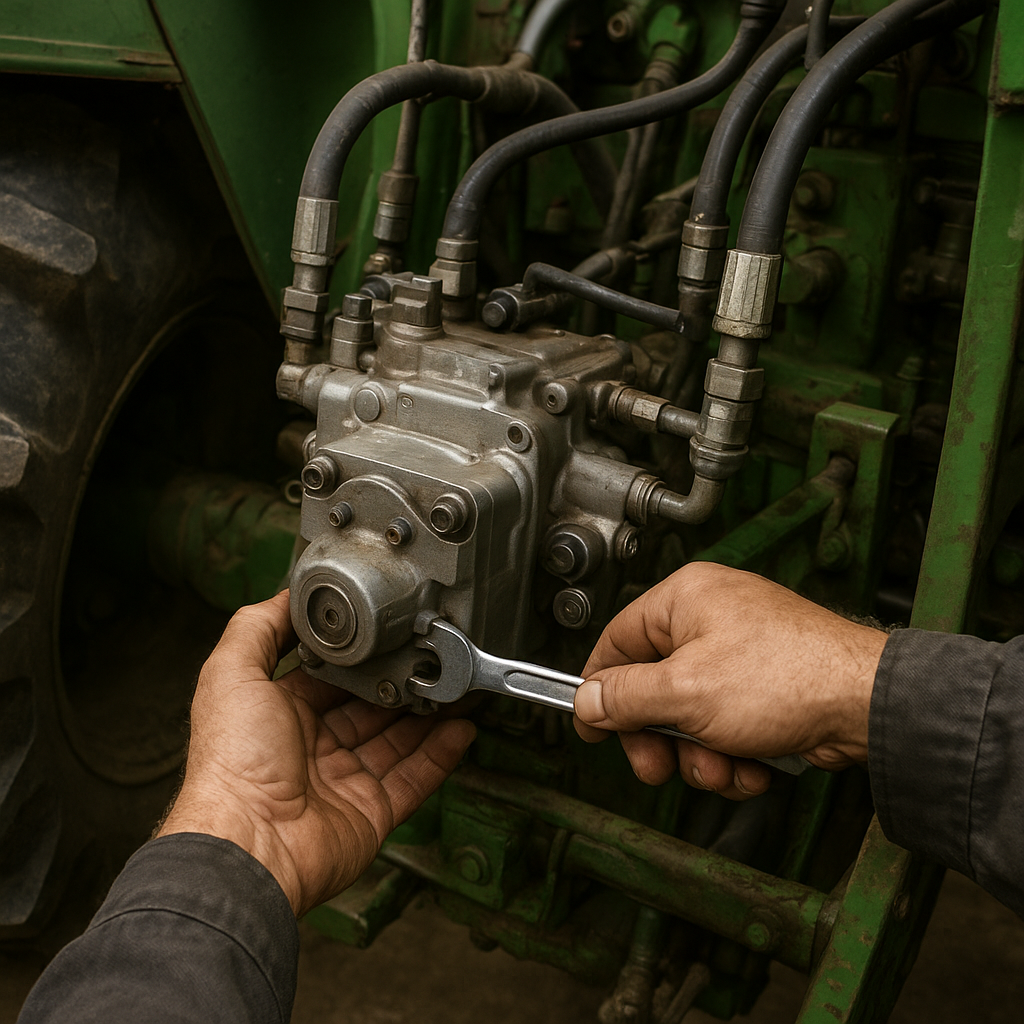
Before stepping into routine checks, it’s crucial to know why the hydraulic pump is so vital. This device converts mechanical energy from the tractor’s engine into hydraulic energy, powering implements like loaders, backhoes, and steering systems. A failing pump can lead to poor performance, erratic operation, and eventual breakdown.
- Types of pumps: gear, vane, piston
- Key components: rotor, vanes, housing
- Operating principles: displacement, flow rate, pressure
Routine Inspection and Cleaning
Visual checks played regularly help catch minor issues before they escalate. Incorporate these steps into your weekly maintenance routine.
Exterior Examination
- Inspect hoses and fittings for signs of wear or leaks.
- Look for cracks or corrosion on the pump housing.
- Check mounting bolts and brackets to ensure they remain tight.
Cleaning Procedures
- Wipe down surfaces with a lint-free cloth to remove dust and dirt.
- Use a mild degreaser around stubborn grime but avoid high-pressure washing directly on sensitive parts.
- Ensure connectors and electrical sensors are dry before restarting the engine.
Fluid Management and Replacement
The quality of hydraulic fluid directly affects system efficiency and longevity. Neglecting fluid care can introduce contamination and accelerate wear on internal parts.
- Check fluid level daily using the tractor’s dipstick or sight glass.
- Monitor fluid color and smell—dark, burnt-smelling fluid indicates oxidation.
- Follow manufacturer’s intervals for complete fluid changes, typically every 500 to 1,000 hours of operation.
Filter Maintenance
- Replace inline and return filters according to schedule.
- Observe filter condition—swollen or clogged filters suggest excessive particle buildup.
- Always use OEM or high-quality aftermarket filters to ensure proper micron ratings.
Seal and Component Checks
Leaking seals or worn components often serve as early warning signs. Addressing these issues quickly helps maintain ideal pump function and avoids maintenance spikes.
- Inspect O-rings and gaskets for cracks or deformation.
- Replace seals if you find oil seepage around flanges or connections.
- Ensure shaft couplings and drive belts exhibit minimal play.
Bearings and Wear Parts
- Listen for unusual noises indicating bearing wear.
- Feel for excessive vibration, which can point toward misalignment.
- Lubricate moving parts as per the service manual’s recommendations.
Troubleshooting Common Issues
Even with diligent upkeep, problems can occur. A structured approach to diagnostics will help you pinpoint and resolve issues quickly.
- Noisy operation: Check fluid level, air in lines, and filter clogging.
- Overheating: Inspect cooling circuits, fluid viscosity, and working load.
- Loss of power: Verify pump displacement settings and relief valve adjustments.
Pressure Testing
- Use a calibrated gauge to measure outlet pressure against specifications.
- Perform tests under idle, mid-range, and full-load conditions.
- Record readings to track performance trends over time.
Addressing Cavitation
- Ensure suction lines are free of kinks and air leaks.
- Maintain proper fluid levels to prevent pump starvation.
- Install pulse dampeners if pressure fluctuations persist.
Advanced Tips for Longevity
For operators seeking the best return on investment, consider these specialized steps to push pump life even further.
- Use premium-grade hydraulic oils with anti-wear additives.
- Install inline particle counters to monitor contamination in real time.
- Schedule professional system audits once a year to recalibrate relief valves and flow controls.
- Train all operators on proper warm-up routines to prevent cold-start damage.