Keeping a tractor cab clean and comfortable is more than just an aesthetic concern; it directly impacts operator productivity, safety, and overall machine longevity. Whether you’re cultivating fields under the scorching sun or hauling loads through dusty tracks, a well-maintained cab environment enhances your focus and reduces fatigue. This guide presents a series of practical steps and strategies to transform your tractor cab into a spotless, ergonomic workspace.
Essential Equipment and Initial Preparation
A systematic approach begins with gathering the right gear. Investing in quality tools will save time and prevent damage to sensitive components. Equip yourself with microfibre towels, a handheld vacuum, a soft-bristle brush, and specialized cleaners designed for agricultural machinery.
Inspecting Filters and Seals
A primary source of dust entry is worn or damaged door and window seals. Start by examining rubber gaskets for cracks or compression. Replace any seal showing visible wear. Check the cabin air intake filter located near the dashboard—clogged filters allow contaminants inside, reducing air quality and straining the HVAC system.
Choosing the Right Cleaning Products
Farm environments demand industrial-strength solutions. Opt for non-abrasive, biodegradable sprays that tackle grease and grime without harming vinyl and plastics. Avoid household detergents with high alkaline content; they can accelerate material deterioration. Select products labeled safe for upholstery if your cab features cloth or leather-covered seats.
Daily Cleaning Routine for a Tidy Cab
- Quick Vacuuming: Use a handheld vacuum each morning to remove loose debris, chaff, and soil particles from floors and seat crevices. A filter with a HEPA rating is ideal for capturing fine dust.
- Surface Wipe-Down: Keep a microfibre cloth dampened with a mild cleaning solution close at hand. Wipe control panels, levers, and touchpoints to prevent buildup of oils and fingerprints.
- Window and Mirror Maintenance: Spray a streak-free glass cleaner on windshields and side windows after each shift. Clear visibility is crucial, especially when operating in changing light.
- Floor Mat Shake-Out: Remove rubber or fabric floor mats at the end of each shift. Shake or beat them outside to dislodge stubborn debris before reinstallation.
- Trash and Clutter Removal: Keep a small receptacle or bag in the cab. Empty it daily to avoid accumulated garbage that can attract pests or produce unwanted odors.
Deep Cleaning Procedures
Performing a thorough cleaning every few weeks tackles harder-to-reach areas and ensures a hygienic environment.
Thorough Upholstery Treatment
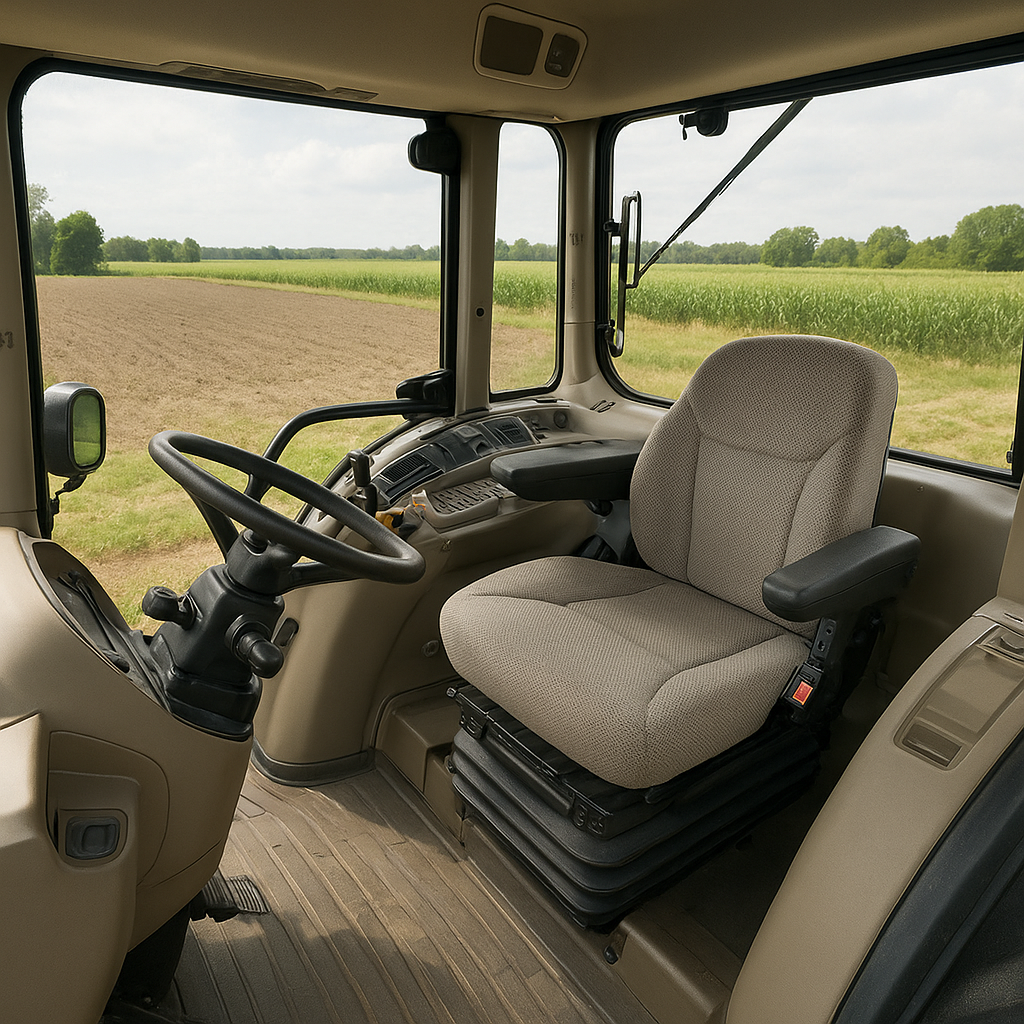
For fabric seats, apply a steam cleaner to lift dirt and sanitize fibers without soaking the material. In leather or vinyl models, use a specialized conditioner after cleaning to prevent cracking and fading. Pay attention to seat tracks and adjuster mechanisms—brush away trapped debris that can impede smooth movement.
HVAC System Disinfection
Mold and mildew can develop in ducts and vents, especially during wet conditions. Use an aerosol antimicrobial foam formulated for HVAC systems. Spray into fresh-air intakes and allow the foam to coat internal surfaces. Run the fan for several minutes to distribute the agent throughout the network.
Dashboard and Console Care
Remove any detachable components such as cup holders or trays. Wash them separately in warm soapy water, rinse, and air-dry. Carefully dust electronics ports with a dry brush or compressed air. Finish by wiping the entire dashboard with a light mist of multi-surface cleaner, followed by a dry microfibre cloth.
Maintaining Comfort and Ergonomics
- Optimal Seat Position: Adjust your seat height, distance from the pedals, and backrest angle to maintain a neutral spine posture. Periodic realignment helps prevent back strain during long hours on the field.
- Climate Control Checks: Test heating and cooling functions before each busy season. Inspect condenser coils and clean them of dust. Properly functioning climate systems contribute to sustained operator comfort.
- Anti-Fatigue Accessories: Consider adding a gel-padded cushion or lumbar support attachment. These ergonomic enhancements reduce pressure points and improve circulation.
- Noise Reduction: Examine door seals and window fittings for gaps that allow excessive engine or wind noise. Installing additional sound-dampening foam behind interior panels can significantly lower decibel levels.
- Storage Solutions: Utilize under-seat drawers or mounted pouches for manuals, paperwork, and personal items. A clutter-free floor plane prevents tripping hazards and fosters a distraction-free environment.
Customizing Your Tractor Cab for Maximum Efficiency
Personalizing the cab layout to suit your workflow enhances productivity. Simple modifications can turn a standard tractor into a highly organized mobile workstation.
Tool and Accessory Mounts
Install magnetic strips or rail-based mounts to secure handheld devices, radios, and tools. This approach prevents items from shifting during transport and keeps essential equipment within easy reach.
Lighting and Visibility Upgrades
Bright LED strips along the roofline provide consistent interior illumination, reducing eye strain during early-morning or late-evening operations. Backlit control panels improve readability under low-light conditions.
Cabin Air Freshening
Compact air fresheners or charcoal-based odor absorbers maintain a pleasant atmosphere inside the cab. Avoid overpowering scents; instead, choose neutral or agricultural-themed fragrances that won’t compete with the natural smells of farming life.
Routine Inspection and Preventive Maintenance
Maintaining a clean and comfortable cab is an ongoing process. Schedule monthly inspections to verify the condition of filters, seals, and moving parts. Lubricate hinges, clean vents, and top up fluid levels for windshield washers. A consistent preventive strategy reduces repair costs and prolongs the useful life of your tractor.
Final Thoughts on a Pristine Tractor Cab
Attending to the cleanliness and comfort of your tractor cab not only promotes safety but also fosters a more enjoyable experience during long workdays. By integrating daily upkeep, periodic deep cleaning, and strategic customization, you can transform your cab into a resilient, well-organized space. Embrace these practices to ensure your tractor remains a reliable partner on every journey through the fields.