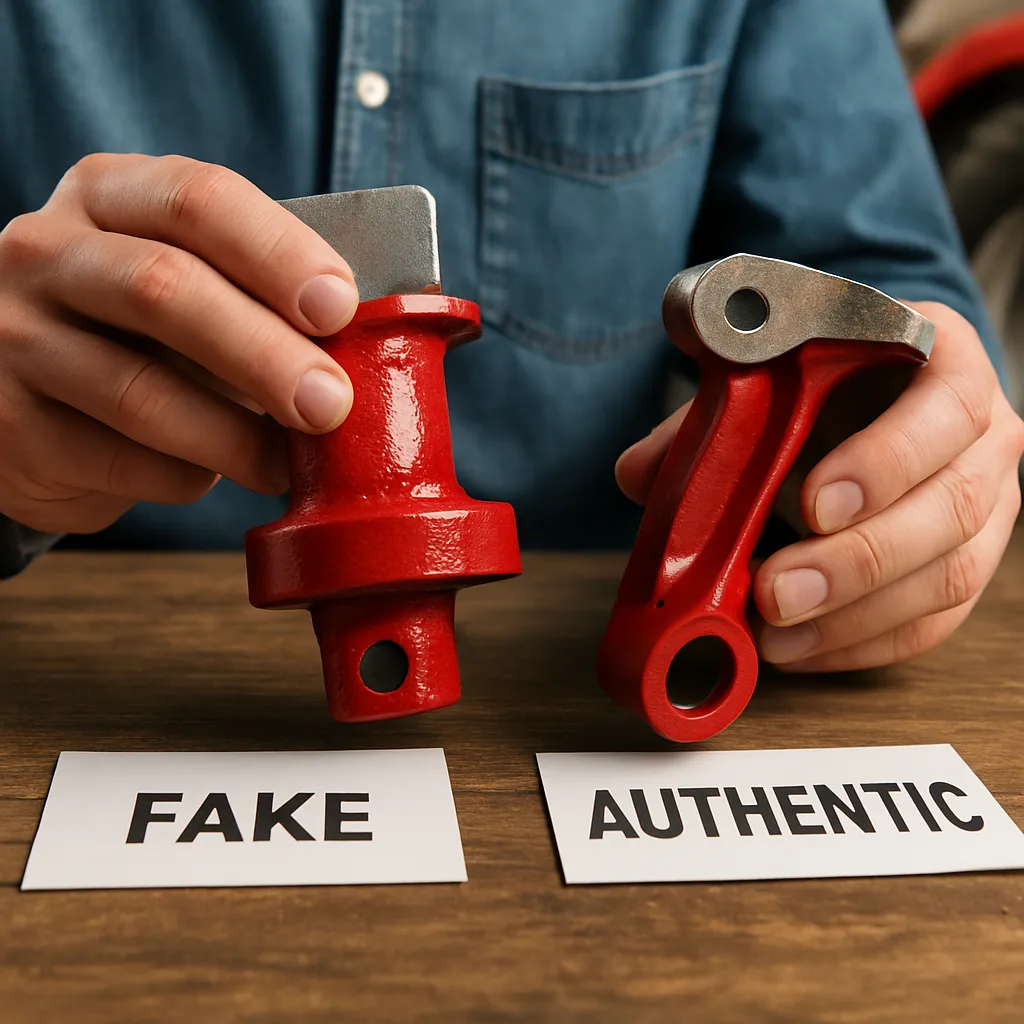
Maintaining a well-functioning tractor depends on sourcing genuine components from trusted channels. Farmers and equipment managers need a clear understanding of how to distinguish authentic parts from substandard imitations. This guide explores practical methods to identify counterfeit tractor parts, highlights the potential risks of using fake components, and outlines best practices for ensuring authenticity in every purchase.
Common Signs of Counterfeit Tractor Parts
Recognizing fake parts early can save time, money, and prevent breakdowns in critical operations. Familiarize yourself with these telltale indicators:
- Packaging Quality: Genuine parts often come in sturdy boxes with crisp printing and watermarks. Faded logos, poor print alignment, or flimsy material suggest a counterfeit item.
- Serial Number Irregularities: Manufacturers assign unique codes to each part. If the code is missing, duplicated, or doesn’t match brand records, the component may be fake.
- Unusual Weight or Dimensions: Factory-made parts maintain strict tolerances. Significant deviations in size or heft could compromise performance and indicate inferior substitutes.
- Subpar Surface Finish: Authentic metal or plastic components feature smooth, uniform finishes. Rough edges, uneven paint, or pitted surfaces often reveal a non-genuine product.
- Incorrect Labeling or Markings: Spelling mistakes, inconsistent fonts, or logos placed in the wrong locations are clear red flags of a counterfeit part.
Risks of Using Fake Components
Installing imitation parts can lead to serious consequences beyond immediate equipment failure:
- Safety Hazards: Substandard materials may break under load, risking injury to the operator and bystanders.
- Reduced Reliability: Fake parts often wear out prematurely, causing frequent breakdowns and costly downtime.
- Loss of Manufacturer Warranty: Using unauthorized parts can void warranties on tractors and associated systems.
- Higher Long-Term Costs: Though cheaper upfront, constantly replacing fake components can surpass the expense of genuine alternatives.
- Environmental Impact: Inferior parts may lead to oil leaks, failed seals, or excessive emissions, harming local ecosystems.
Best Practices for Verification
Adopting a systematic verification process helps ensure you receive only genuine parts from reputable sources.
1. Choose Authorized Dealers
Purchase through officially recognized dealerships or certified resellers. They adhere to strict inventory controls and often provide valid documentation such as certificates of certification and sale invoices.
2. Cross-Reference Part Numbers
Always match the vendor’s part number with the manufacturer’s official catalog. Discrepancies in codes can signal a counterfeit item.
3. Inspect Upon Receipt
- Verify the integrity of seals and tamper-evident stickers.
- Check for any visible signs of wear or reconditioning.
- Confirm that all components listed in the package are present and correct.
4. Maintain Detailed Records
Keep an inventory log containing purchase dates, serial numbers, and supplier details. This traceability aids in recall scenarios and warranty claims.
Leveraging Technology for Authentication
Advancements in technology have introduced innovative tools to combat the trade of fake parts:
- QR Code Scanning: Many manufacturers now embed QR codes on packaging or directly on parts. Scanning the code with a smartphone app can confirm authenticity and access production data.
- RFID and NFC Tags: Embedded chips provide real-time tracking and verification, ensuring that each component’s journey from factory to field is documented.
- Blockchain-Based Platforms: Distributed ledgers offer immutable records of a part’s origin, reducing the likelihood of introducing counterfeit goods into the supply chain.
Note: Always update your scanning applications and verify tags against official manufacturer databases to prevent spoofing.
Case Study: Identifying Fake Hydraulic Filters
Hydraulic filters play a crucial role in maintaining pressurized fluid systems. A leading tractor brand reported an uptick in filter failures traced to counterfeit parts. Technicians noted the following discrepancies:
- Filter Media Density: Genuine filters use high-grade fiber layers. The fakes employed coarser materials that allowed contaminants to pass through.
- Seal Ring Material: Authentic seals are made of specific rubber compounds resistant to oil degradation. Counterfeit seals cracked after brief use.
- Inconsistent Branding: Logos on filter housings were slightly out of alignment and featured incorrect color shades.
By reinforcing these inspection criteria and educating service staff, the brand reduced the incidence of fake filters by 80% within six months.
Training Personnel to Spot Counterfeits
Empowering your workforce is essential in the fight against fake tractor parts. Consider the following steps:
- Host Regular Inspection Workshops: Provide hands-on sessions where technicians examine both genuine and counterfeit examples.
- Develop a Standardized Checklist: A quick-reference guide ensures consistent evaluation methods across all teams.
- Encourage Supplier Feedback: Maintain open communication lines so partners can flag suspicious orders or irregularities immediately.
Well-trained staff serve as the first line of defense against counterfeit threats, reducing the risk of substandard parts entering your fleet.
Conclusion of Operational Importance
Preventing the infiltration of fake tractor parts into your maintenance workflow protects both equipment integrity and operator safety. By mastering the identification of suspect items, adhering to best procurement practices, and leveraging modern verification tools, you can uphold high standards of performance and trust in your machinery. Remaining vigilant and informed is the cornerstone of effective fleet management in the agricultural sector.