Understanding the true worth of a tractor before parting ways can maximize returns and guide future purchases. A systematic approach to evaluating its resale price involves examining its past usage, current standing, and prevailing trends. By focusing on key factors such as documented maintenance, prevailing market dynamics, and precise inspection details, sellers and buyers can arrive at fair, competitive offers.
Assessing Physical Condition and Maintenance History
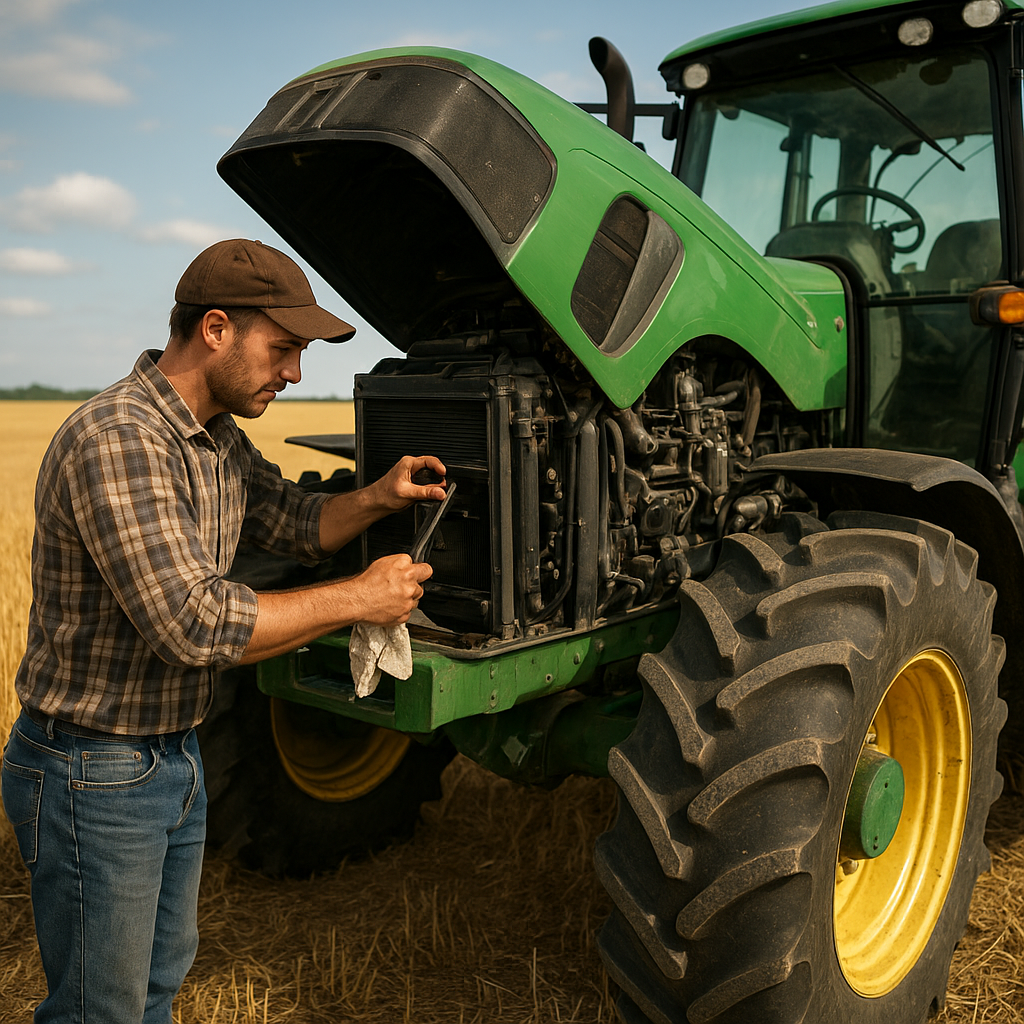
At the core of any valuation lies the tractor’s overall condition. Surface blemishes, chassis integrity, and engine performance all contribute to a machine’s perceived value. A thorough review of every component—from the transmission to hydraulic lines—helps uncover hidden issues that can dent asking prices. Follow a structured procedure to ensure no detail is overlooked.
Visual Inspection
- Scan the frame for rust spots or cracks that may indicate structural weakness.
- Check tire tread depth and sidewall integrity; uneven wear patterns can signal alignment problems.
- Inspect weld joints around the loader arms and three-point hitch for stress fractures.
- Examine paint condition, as chipped or faded finishes might point to heavy usage or exposure to harsh chemicals.
Maintenance and Service Records
A comprehensive log of repairs and routine servicing underpins a transparent valuation process. A well-documented history demonstrates consistent care, which reduces perceived risk for the buyer and can command a premium. Key elements include:
- Maintenance schedules showing oil changes, filter replacements, and belt inspections.
- Receipts for major overhauls of the engine, transmission, or brake systems.
- Records confirming seasonal checks on coolant, hydraulics, and electrics.
- Warranty transfers that remain valid on undercarriage components or attachments.
Without clear records, potential buyers will build a buffer for unknown expenses, lowering the final offer.
Analyzing Market Trends and Pricing Factors
Tractor values fluctuate according to both macroeconomic conditions and localized factors. By comparing similar models across online listings, auctions, and dealer inventories, you can gauge the prevailing price band. Always adjust for unique attributes such as added implements or custom upgrades.
Supply and Demand Dynamics
When tractor inventories run low and farm budgets swell, sellers gain leverage. Conversely, a flood of late-model units competing in the same category can depress prices. Track auction results and dealer restock rates to understand where equilibrium currently lies.
Age, Brand, and Model Variations
- Reliable marques often retain value better; a top-tier brand may fetch 10–20% more than a lesser-known competitor.
- Newer units with lower mileage typically command higher bids, but overly cautious fleet deployments can also signal hidden mechanical idiosyncrasies.
- Specialty models—orchard tractors, vineyard sprayers, or high-horsepower row-crop machines—often have niche markets where bids exceed general-purpose listings.
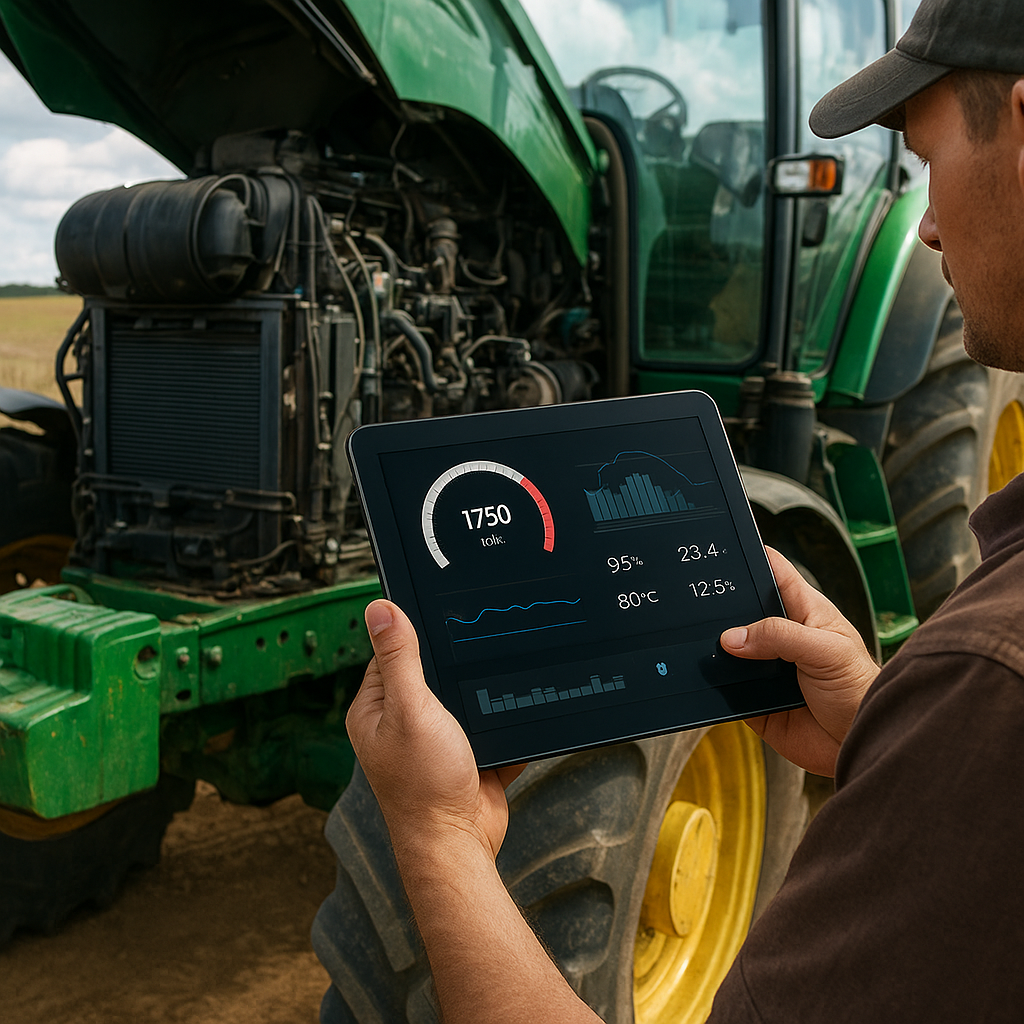
- Aftermarket or factory-installed upgrades, like advanced GPS guidance packages, enhance desirability in tech-focused operations.
Maximizing Value through Upgrades and Proper Documentation
To achieve peak resale potential, prioritize investment in cost-effective enhancements and immutable proof of performance. Buyers value transparency just as much as mechanical aptitude, so merge physical improvements with bulletproof paperwork.
Upgrades and Custom Options
- Install LED work lights or upgraded cabins for comfort features that justify a price bump.
- Consider a recent tire replacement to eliminate negotiation on immediate service costs.
- Retrofitting emission controls or adhering to Tier 4 standards can open access to environmentally regulated regions.
- Document any aftermarket warranty or service plan transfers to increase buyer confidence.
Accurate Documentation
Every document—from purchase invoices to parts warranty cards—serves as proof of diligent ownership. Consolidate:
- A full service manual and operator’s guide.
- Digital copies of repair orders and diagnostic reports.
- Proof of annual safety inspections or emission testing compliance.
- Itemized lists of installed attachments, including blades, buckets, and hydraulic hitches.
Well-organized records reduce perceived risk and discourage aggressive hagglers from assuming hidden defects.
Negotiation Strategies and Optimal Timing
Timing your sale and adopting savvy negotiation tactics can sway the final figure significantly. Avoid peak planting or harvest seasons when farmers hesitate to disrupt their fleets, unless selling specialized equipment that thrives in off-peak months.
- Present comparative auction data to substantiate your asking price and highlight recent sales of similarly specced units.
- Be prepared with a bottom-line figure, but open with a price 10–15% above your target to allow room for compromise.
- Offer bundled deals on attachments or service packages to sweeten the transaction.
- Consider dealer consignment if you lack direct buyer leads; dealers often handle marketing in exchange for a commission.
By marrying meticulous inspection results with an understanding of depreciation curves and seasonal cycles, sellers can confidently navigate negotiations to secure a fair price.