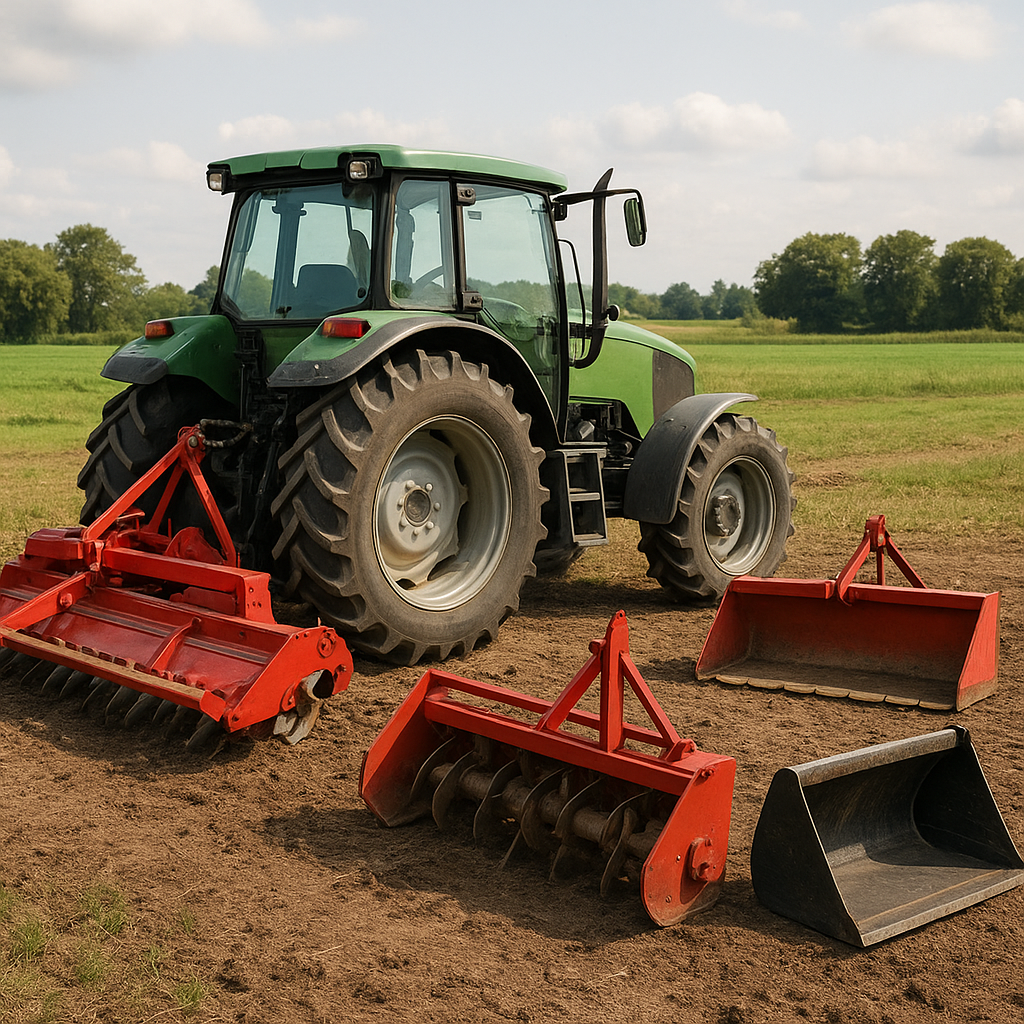
Maintaining a clean tractor not only enhances its appearance but also contributes to its performance and lifespan. A well-executed cleaning routine prevents buildup of debris, reduces the risk of corrosion, and ensures that essential components such as the engine and hydraulic systems remain in optimal condition. Follow these guidelines to achieve a thorough, safe, and environmentally responsible cleaning process.
Pre-Cleaning Inspection and Safety Measures
Before introducing any water or cleaning agents to your machine, perform a comprehensive inspection. Identifying vulnerable areas and potential hazards will protect both the operator and the equipment.
- Disconnect the battery: Prevent accidental starts and electrical shorts by isolating the tractor’s power supply.
- Cover sensitive components: Use plastic bags or waterproof covers to shield the electrical components, alternator, and exposed wiring.
- Check for leaks: Inspect hoses, seals, and gaskets for signs of oil or coolant leakage, as applying water to these points can spread contaminants.
- Remove large debris: Manually clear away twigs, clumps of dirt, and straw from the undercarriage and wheel wells to reduce clogging of drains or spray nozzles.
- Wear appropriate safety gear: Gloves, eye protection, and non-slip boots will guard against chemical exposure and accidental slips.
Selecting the Right Cleaning Tools and Solutions
Choosing the proper equipment and detergents ensures that dirt, grease, and grime are effectively removed without damaging the paintwork or vital mechanical parts.
- Pressure washer settings: A medium-pressure setting (1000–2000 psi) is generally sufficient. Excessive pressure can strip paint and force water into seals.
- Foam cannon vs. traditional sprayer: Foam cannon attachments deliver an even layer of soap, allowing detergents to dwell and break down stubborn residues.
- Biodegradable detergents: Opt for formulations that minimize environmental impact while still dissolving oil and grease.
- Brushes and scrapers: Use soft-bristle brushes for painted surfaces and nylon brushes for tires or metal grates. Metal scrapers can dislodge caked-on mud but must be used with caution.
- Microfiber towels: Ideal for final wipe-downs, these towels absorb moisture and reduce the risk of scratching delicate surfaces.
Step-by-Step Cleaning Guide
1. Initial Rinse
Begin by rinsing the entire machine with clean water. This removes loose soil and prepares the surface for detergent application. Focus on the undercarriage, wheel arches, and any grills where debris accumulates.
2. Apply Detergent or Foam
Using a foam cannon or low-pressure sprayer, cover all surfaces with a generous layer of cleaning solution. Allow the detergent to dwell for 5–10 minutes, but do not let it dry, as this may leave residue or streaks.
3. Agitation and Scrubbing
Brush areas with heavy deposits of grease or mud, such as around the axles, hitch points, and hydraulic fittings. For the exterior body panels, use a soft brush or sponge to avoid scratching the finish.
4. Targeted Treatments
- Engine compartment: Spray a degreaser on greasy components, avoiding direct application to sensors and electrical parts. Rinse thoroughly after 3–5 minutes.
- Hydraulic lines: Wipe down hoses with a cloth soaked in mild detergent, reducing the risk of contaminant entry during operation.
- Air intake and filters: Inspect and remove large debris from the intake screen. Do not use high-pressure water directly on filter elements—clean per manufacturer guidelines.
5. Final Rinse
Switch to a gentle, fan-style spray pattern to remove all traces of soap and loosened dirt. Begin from the top of the machine and work downward, ensuring that runoff carries debris away from critical joints and bearings.
6. Drying
Allow the tractor to air dry in the sun or use compressed air to blow out water from crevices and connectors. Moisture left behind can lead to corrosion or electrical shorts.
Post-Cleaning Maintenance Tips
Cleaning your tractor is an excellent opportunity to perform routine checks and preventive maintenance. This practice extends the machine’s service life and enhances reliability.
- Lubrication: After drying, apply grease to all zerks, pivot points, and bearings to displace any residual moisture.
- Inspect filters: Check air, fuel, and oil filters for signs of wear or clogging, replacing them if necessary.
- Tighten fasteners: Vibrations and impacts can loosen bolts. Verify that critical connections—especially on implements—are secure.
- Check fluid levels: Top up engine oil, coolant, hydraulic fluid, and transmission oil to recommended levels.
- Protective coatings: Apply a light coat of UV-resistant spray or wax on body panels to guard against sun damage and facilitate easier future cleanings.
Environmental Considerations and Responsible Disposal
Proper disposal of wash water and used cleaning agents is critical to protecting surrounding ecosystems.
- Containment systems: Wash mats or drip trays can capture wastewater, preventing runoff into storm drains or fields.
- Separation of oil and water: Use an oil-water separator to collect hydrocarbons before discharging water to the sewage system.
- Recycling detergents: Whenever possible, choose concentrates that allow you to refill containers and reduce plastic waste.
- Local regulations: Familiarize yourself with municipal guidelines on the disposal of industrial wash water and hazardous chemicals.
Seasonal Cleaning Strategies
Adapting your cleaning routine to seasonal challenges ensures consistent performance throughout the year.
- Winter prep: Remove salt and de-icing agents promptly to prevent metal oxidation. Use rust inhibitors on exposed steel surfaces.
- Spring renewal: Address any debris-packed air intakes and cooling fins that accumulated over winter. Inspect belts and hoses for cold-weather damage.
- Summer maintenance: Increase cleaning frequency to combat dust and pollen buildup, which can clog radiators and filters.
- Fall inspection: Clear leaves and organic debris to prevent moisture traps that cause rust during wet autumn months.
Conclusion
Implementing a systematic cleaning regimen enhances your tractor’s performance, minimizes downtime, and reduces long-term repair costs. By combining proper tools, effective techniques, and environmental responsibility, you’ll ensure your machine remains in peak condition season after season.