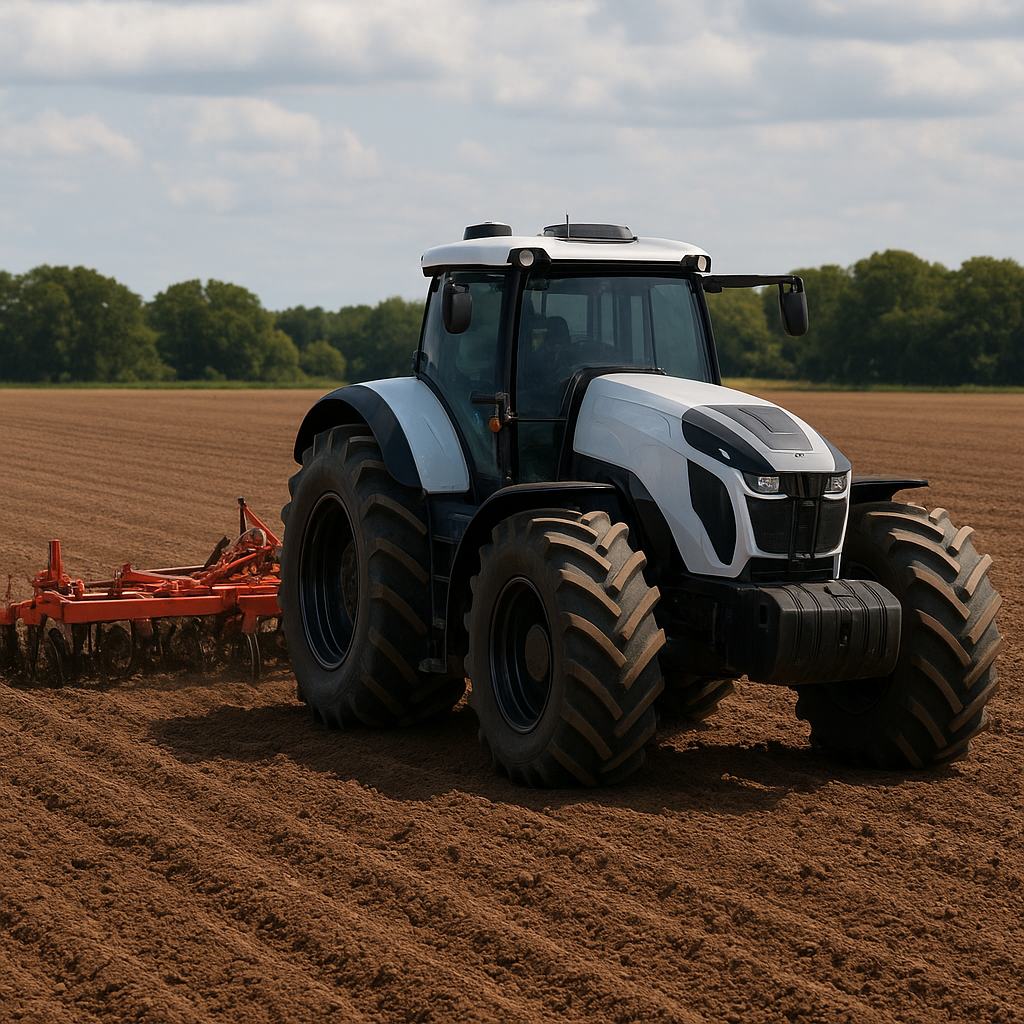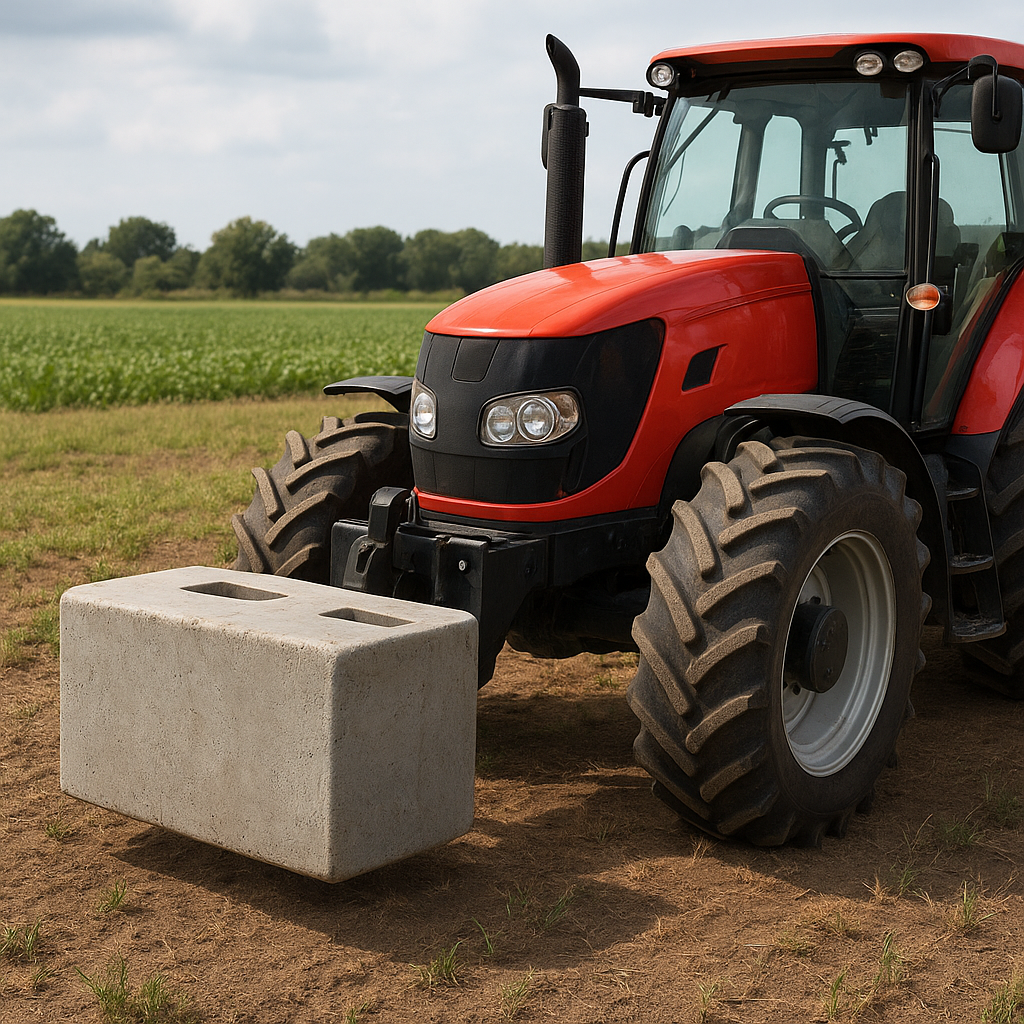
Selecting the appropriate ballast for your tractor can dramatically influence its performance, longevity, and overall operational safety. Ensuring the right weight distribution is crucial for balancing traction, preventing slippage, and optimizing fuel consumption. This guide delves into the key factors you need to consider when choosing ballast, explores different ballasting methods, and offers practical tips for maintaining peak efficiency in agricultural tasks.
Understanding Tractor Ballast Basics
Ballast refers to any additional weight added to a tractor to improve its stability and traction. Without adequate ballast, a tractor may struggle to deliver power to the ground, resulting in wheel spin, poor implement control, and uneven wear on tires and mechanical components. Effective ballasting helps maintain consistent ground contact, enhancing safety when lifting loads or operating on slopes.
Why Ballast Matters
- Traction: Proper ballast ensures optimal grip, reducing wheel slip in wet or loose soils.
- Weight Distribution: Balanced weight between front and rear axles prevents overloading one end.
- Implement Control: Sufficient rear ballast stabilizes three-point hitches and drawbars.
- Fuel Efficiency: Reduced wheel spin leads to smoother operation and lower fuel consumption.
- Safety: Prevents tip-overs on uneven terrain and ensures secure handling of heavy attachments.
Key Terminology
- Static Ballast: Permanent weights—usually steel or cast iron—mounted on the front or rear.
- Fluid Ballast: Water, oil, or gravel added to rims or tires to increase unsprung mass.
- Dynamic Ballast: Movable weights that can be shifted to fine-tune balance for different tasks.
Assessing Field Conditions and Task Requirements
Before adding ballast, evaluate the terrain, load demands, and type of implements you’ll be using. Different crops, soil types, and field conditions necessitate unique ballasting strategies. A one-size-fits-all approach can lead to underperformance or even equipment damage.
Soil Types and Moisture Levels
Fields with clay or heavy soils often require more ballast to prevent wheel spin, whereas sandy or loose soils demand careful balancing to avoid excessive compaction. In wet conditions, added weight can sink tires deeper, creating ruts and increasing rolling resistance.
Implement Characteristics
Deep tillage equipment or heavy plows place a substantial rear load on the tractor’s hitch. To maintain a level chassis and consistent hitch height, you may need front ballast weights or heavier front tires filled with fluid. Conversely, loader work benefits from front ballast to counterbalance rear-mounted loaders when lifting heavy pallets or bales.
Operating Speeds and Patterns
High-speed transport on roads requires different ballast compared to low-speed field operations. Adequate front-end weight helps maintain steering control at speed, while rear ballast ensures even tire wear during repetitive field passes.
Types and Methods of Ballasting
Select the right ballast solution based on your tractor model, manufacturer recommendations, and the tasks at hand. Combining multiple methods often yields the best results.
Steel and Cast Iron Weights
- Front Weights: Mounted on weight brackets or the front loader crossbar to improve steering.
- Rear Wheel Weights: Bolt-on or clip-on weights that attach directly to wheel rims.
- Three-Point Hitch Weights: Adjustable plates that secure to the rear lift arms for dynamic balance.
Pros: Durable, permanent, precise weight increments.
Cons: Requires manual installation; storage space when not in use.
Fluid Ballasting
- Rim Fill: Rubber tires filled with water or calcium chloride solution to add unsprung weight.
- Dual Wheels: Installing duals or triples increases contact area and evenly distributes weight.
Pros: Quick adjustment via valve, lower installation cost.
Cons: Corrosion risk, freezing concerns in cold climates.
Combination Strategies
Using front steel weights along with rear fluid ballast can fine-tune axle loads without exceeding tire load ratings. When switching between heavy implements and transport duties, detachable hitch weights offer versatility and ease of removal.
Practical Ballasting Procedures
Following a systematic approach ensures consistent results and reduces downtime.
Step 1: Baseline Measurements
- Use a scale to weigh each axle with no implements attached.
- Record current front and rear weights and tire pressures.
- Compare values to manufacturer-specified optimal axle loads.
Step 2: Calculate Required Additions
Determine the difference between actual and recommended loads. Account for the weight of the implement at its working depth. For example, a heavy subsoiler may add 500–800 kg to the rear axle, necessitating additional front ballast to maintain a level drawbar.
Step 3: Install Ballast Safely
- Park on a level surface and engage the parking brake.
- Use proper lifting equipment or jacks when handling heavy cast weights.
- Secure attachments with manufacturer-approved pins, bolts, or brackets.
Step 4: Test and Adjust
Perform a brief test run in representative field conditions. Monitor wheel slip, steering response, and draft force. Adjust fluid levels or reposition dynamic weights as needed to achieve the desired
performance.
Maintenance and Safety Considerations
Regular inspection and upkeep of ballast components contribute to long-term reliability and safety. Neglecting maintenance can lead to loose weights, compromised traction, or damage to the tractor’s frame and axles.
Inspection Checklist
- Check bolts and mounting brackets for tightness before each season.
- Look for cracks, corrosion, or deformation in steel weights.
- Monitor fluid levels in rim-filled tires and replace solution annually.
- Inspect hydraulic lines and hoses near hitch weights to prevent abrasion.
Safe Operating Practices
Never exceed the tractor’s maximum allowable axle loads. Over-ballasting increases stress on suspension components and can cause premature tire wear. Always distribute weight symmetrically to prevent side tipping on slopes. When transporting ballasted tractors on public roads, abide by local regulations regarding overhang, lighting, and braking performance.
Maximizing Productivity with Optimal Ballast
Appropriate ballasting is not a one-time adjustment but an ongoing process that evolves with changing field conditions and implements. Fine-tuning weight distribution boosts productivity by reducing fuel burn, minimizing ground compaction, and lowering maintenance costs. By applying the principles outlined above, you can ensure your tractor operates at peak efficiency, delivering reliable power and precise implement control season after season.