Selecting the right transmission for your tractor involves balancing performance, durability and cost. Whether you opt for a manual gearbox or an automatic system, the choice directly affects productivity and efficiency on the field. This guide examines key factors to help farmers and equipment managers make a well-informed decision.
Understanding Transmission Basics
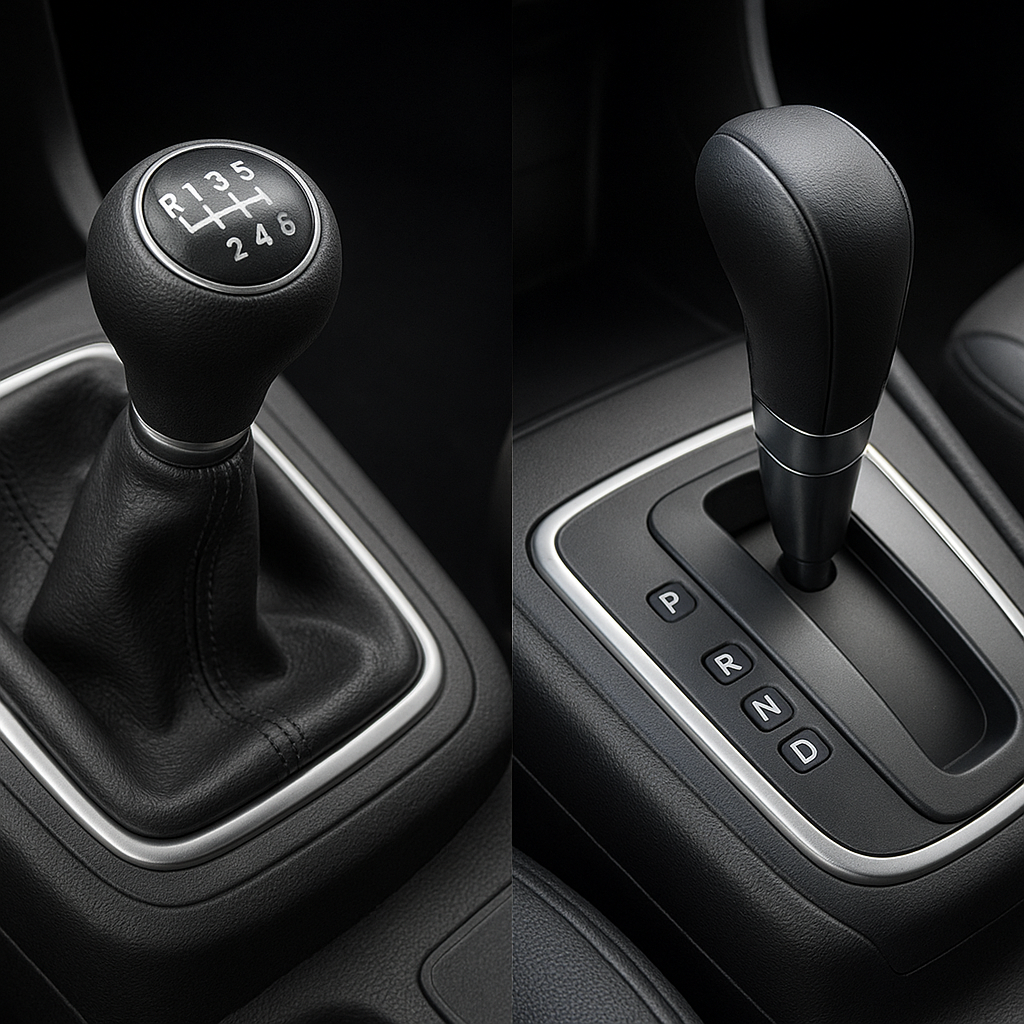
A tractor’s transmission links the engine to the wheels, transferring torque to perform tasks such as plowing, hauling and planting. Two principal designs dominate the market:
- Manual transmissions, where the operator selects gears via a lever and clutch.
- Automatic transmissions, which shift gears electronically or hydraulically without manual input.
Each type provides distinct benefits and trade-offs. Before making a selection, consider factors like field conditions, crew experience and long-term reliability.
Manual Transmissions: Benefits and Considerations
Advantages
- Precise Gear Control. Operators can match engine speed and load for tasks that demand absolute precision.
- Lower Initial Cost. Manual gearboxes often carry a smaller purchase price, enhancing overall cost-effectiveness.
- Rugged Construction. Simpler mechanical parts deliver greater durability in harsh environments.
Challenges
- Operator Fatigue. Frequent shifting and clutch use can reduce comfort on long days.
- Learning Curve. New drivers need time to master coordinated clutch, throttle and lever techniques.
- Speed Variations. Maintaining optimal RPM and speed under changing loads can be demanding.
Automatic Transmissions: Benefits and Considerations
Advantages
- Seamless Gear Changes. Automated systems adjust shifts to maximize efficiency and reduce power interruptions.
- Enhanced Comfort. No clutch pedal means less fatigue in repetitive tasks.
- Adaptive Logic. Modern tractors use sensors to choose ideal gear ratios for versatility across varied terrains.
Challenges
- Higher Upfront Cost. Sophisticated electronics and hydraulics add to purchase price.
- Complex Repairs. Servicing requires specialized skills and may raise maintenance expenses.
- Weight and Heat. Extra components can increase overall weight and operating temperature.
Performance, Fuel Economy and Cost Analysis
Comparative field tests reveal how each transmission type influences key metrics:
Fuel Consumption
Automatic transmissions often maintain engine operation within the ideal torque band, boosting efficiency. However, a skilled operator in a manual tractor can replicate similar results by anticipating load changes. Fuel savings range from 3% to 10% depending on crop, soil and driving technique.
Speed and Torque Delivery
Manually shifted tractors allow instant engagement of desired gear under heavy load, granting immediate torque. Automatics rely on hydraulic boosters and electronic controls that may experience slight delays but deliver smoother power curves.
Lifecycle Cost
- Manual gearboxes demand fewer electronics but require periodic clutch replacements.
- Automatic systems incur higher initial investment, though reduced operator error can extend component life and lower downtime.
Assess total cost of ownership by factoring in depreciation, service intervals and the value of operator comfort.
Maintenance and Operator Training
Commitment to service schedules and training directly affects tractor uptime and overall reliability.
Manual Transmission Upkeep
- Regular clutch inspection and adjustment.
- Gearbox oil changes every 500–1,000 hours, depending on manufacturer recommendations.
- Drive-line alignment checks to prevent premature wear.
Automatic Transmission Care
- Hydraulic fluid analysis and filter replacement at prescribed intervals.
- Software updates for electronic control units to maintain productivity and compatibility.
- Thermal monitoring to avoid overheating under heavy workloads.
Training Requirements
- Manual units require hands-on instruction for mastering clutch timing and shift patterns.
- Automatic systems demand familiarity with onboard interfaces, mode selection and override procedures.
Matching Transmission to Application
Choosing the optimal transmission hinges on matching tractor capabilities to the demands of specific tasks:
- Row Cropping: Frequent turns and stop-start conditions favor automatic mode for uninterrupted comfort.
- Tillage: High torque needs and variable soil resistance benefit from manual selection to harness peak engine output.
- Transport: Long-haul duties along roads perform well under automatics tuned for consistent speed and efficiency.
- Specialty Operations: Implements such as balers or sprayers may drive manual preference for tailored gear matching.
Future Trends and Innovations
Advancements in transmission technology continue to blur the line between manual and automatic:
- Continuously Variable Transmissions (CVT) offer infinite gear ratios for seamless acceleration and enhanced versatility.
- Electro-hydraulic hybrids combine electric motor assist with mechanical gearing to boost power and reduce fuel consumption.
- Telematics integration enables remote diagnostics, predictive service and transmission performance tuning.
As manufacturers push boundaries, operators will benefit from systems that merge the best traits of manual control and automatic convenience, driving future gains in cost-effectiveness and field performance.