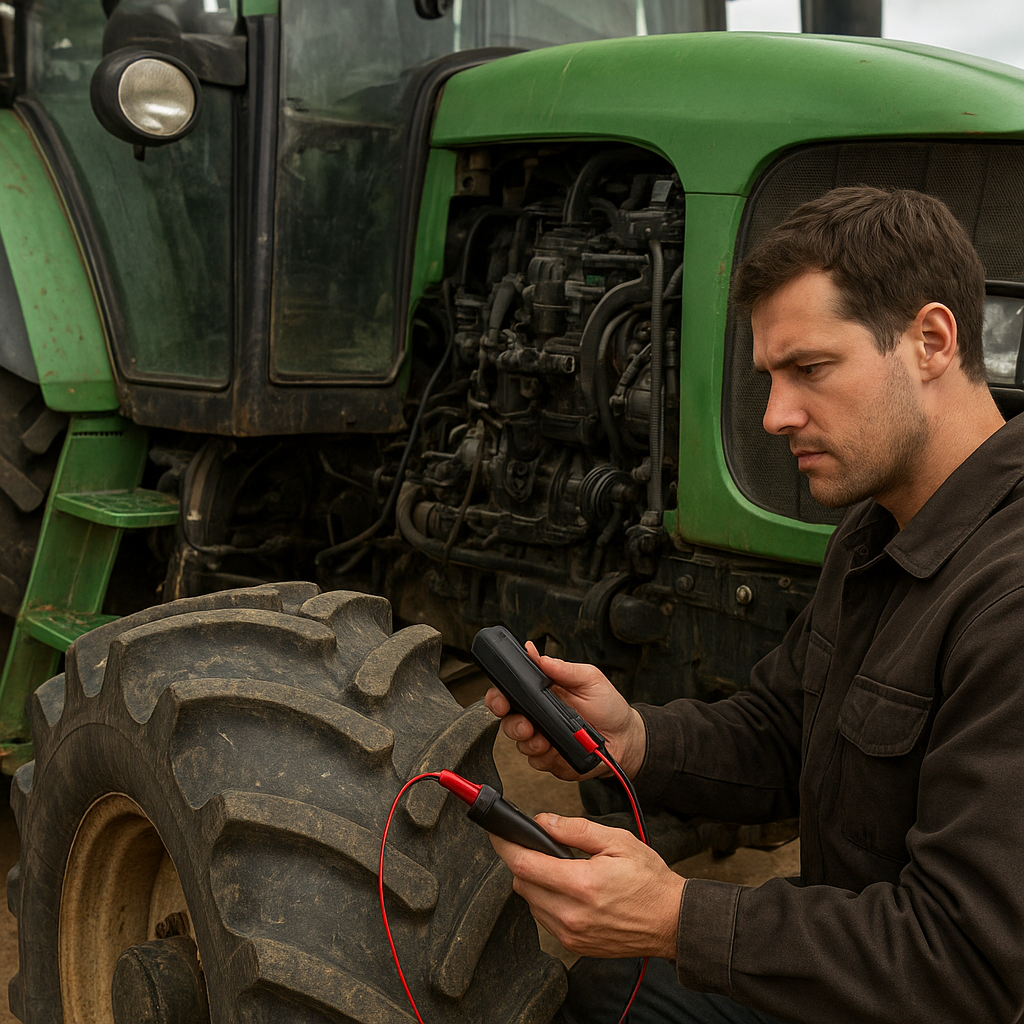
Tractor engines are built to handle tough agricultural and construction tasks, but even the sturdiest models can overheat if not properly cared for. Preventing an overheated engine requires understanding key components, recognizing warning signs, and performing routine inspections. In this article, you’ll learn practical steps to keep your tractor running smoothly under any conditions.
Cooling System Basics
The cooling system is the heart of temperature regulation. It circulates a mixture of water and coolant through the engine block, absorbing excess heat and transferring it to the radiator, where air flow dissipates it. Key parts include:
- Thermostat: Controls coolant flow based on engine temperature.
- Water pump: Forces the mixture through passages in the engine block.
- Hoses and connections: Carries fluid between engine and radiator.
- Radiator cap and overflow tank: Maintains proper pressure to raise boiling point.
- Cooling fan: Draws air over radiator fins, increasing heat dissipation.
How It Works
When the engine starts, the thermostat remains closed until the coolant reaches a predetermined threshold (typically around 180–200°F). Once hot enough, it opens, allowing fluid to circulate. The pump keeps pressure steady, while the fan and radiator fins create an air stream that carries heat away. Efficient operation depends on proper fluid level, correct mixture, and unobstructed air flow.
Common Causes of Overheating
Several factors can compromise the cooling system, resulting in elevated engine temperatures. Identifying the root cause is the first step toward a lasting fix.
- Coolant leaks: Damaged hoses, loose clamps, or cracked radiators allow fluid to escape, reducing heat transfer capacity.
- Clogged passages: Rust, scale, or debris inside the radiator or engine block restrict flow and create hot spots.
- Faulty thermostat: A stuck-closed thermostat prevents fluid circulation until dangerously high temperatures are reached.
- Worn water pump: A failing impeller can’t maintain adequate coolant pressure.
- Broken fan belt or fan clutch: Without adequate airflow, the fan can’t draw enough air to cool the radiator.
- Low oil level: Insufficient oil increases friction and heat generation within the engine.
- External temperature extremes: High ambient heat or heavy loads under full sun can push cooling systems beyond design limits.
Preventative Maintenance Tips
Routine inspections and servicing keep potential failures at bay. Plan these tasks during the off-season or at designated service intervals.
Regular Coolant Checks
- Check fluid level before each use and top up with manufacturer-approved antifreeze/water mix.
- Inspect for leaks around hose connections, radiator seams, and the water pump housing.
- Change coolant according to the service schedule—typically every 1,000 hours or two years.
Inspect Radiator and Hoses
- Clear external debris from radiator fins using compressed air or a soft brush.
- Pressurize the system to spot hidden leaks around seals and hose clamps.
- Replace soft or cracked hoses to prevent sudden failures in hot conditions.
Test and Replace the Thermostat
- Remove the thermostat and submerge it in hot water with a thermometer. It should open at the rated temperature.
- Install a new thermostat if it fails to open or close properly.
Maintain Your Fan and Belt System
- Check belt tension and alignment. A loose belt can slip and reduce fan performance.
- Examine the fan clutch (if equipped) and ensure it engages at the correct engine temperature.
- Replace worn belts and pulleys to avoid sudden breakdowns.
Professional Inspections
For complex issues or annual overhauls, hire certified tractor mechanics. They can perform:
- Pressure-testing of the entire cooling system.
- Chemical flushes to remove internal corrosion.
- Thermal imaging to identify hot spots and blockages.
Emergency Measures in the Field
Even with the best upkeep, unexpected conditions can lead to overheating. Having a plan prevents permanent damage and costly downtime.
Immediate Actions
- Stop the engine as soon as the gauge indicates red or a warning light illuminates.
- Allow the engine to cool for at least 20 minutes before opening the radiator cap to avoid scalding injuries.
- Check coolant level and top off if available. Use water in an emergency if antifreeze isn’t on hand.
Temporary Repairs
- Use high-temperature sealant to patch minor hose leaks as a stopgap.
- Tighten loose clamps or replace broken ones with hose repair kits.
- Shut down nonessential accessories to reduce engine load.
Safe Towing and Transport
- If repairs aren’t possible on-site, tow the tractor at low speeds to prevent further harm.
- Secure a trailer or flatbed for extended distances to keep the engine idle time minimal.
Extending Engine Lifespan
Proper cooling care not only prevents costly repairs but also extends your tractor’s working life. Combine routine checks with sensible operating habits, such as avoiding prolonged idling in high temperatures and monitoring load levels. By staying vigilant, you’ll enjoy reliable performance from your equipment season after season.