Construction sites demand machines that deliver exceptional power and uncompromising performance. Tractors designed for this environment must combine robust engineering, advanced hydraulics, and intuitive controls to handle tasks ranging from heavy earthmoving to precise material handling. This article explores the critical attributes, top models, essential attachments, maintenance strategies, and emerging trends shaping the world of construction tractors.
Essential Characteristics of Construction Tractors
A tractor destined for construction work must excel in several core areas. Whether pushing debris, towing heavy trailers, or operating complex implements, these machines rely on a suite of features that guarantee reliability and safety on the jobsite.
- Horsepower: Generating ample engine output ensures that attachments like hydraulic breakers and trenchers operate at full capacity without bogging down under load.
- Traction: Deep-lug tires, track options, and differential-lock systems deliver maximum grip on loose soil, mud, or gravel surfaces.
- Hydraulic Flow: High-flow pumps support multiple simultaneous functions, enabling efficient operation of backhoes, augers, and hydraulic hammers.
- Durability: Reinforced chassis components, heavy-duty axles, and sealed bearings extend service intervals and minimize downtime.
- Operator Comfort: Ergonomic cab layouts, adjustable seats, and climate control reduce fatigue during long shifts, boosting overall productivity.
- Stability: Low center of gravity and wide wheelbase configurations prevent tipping when lifting or pushing heavy loads on uneven terrain.
- Fuel Efficiency: Advanced engine management systems and tiered emission controls cut operating costs while meeting environmental regulations.
Advanced Control Systems
Modern construction tractors are increasingly outfitted with digital interfaces and programmable functions. Features such as GPS-based precision grading, load-sensing hydraulics, and customizable joystick controls allow operators to optimize performance according to specific tasks. Telematics solutions also provide real-time diagnostics, enabling fleet managers to monitor fuel consumption, engine hours, and maintenance alerts remotely.
Leading Tractor Models for Construction Tasks
Selecting the right model involves balancing raw power, agility, and cost of ownership. The following tractors have earned acclaim for their strong performance in demanding construction environments.
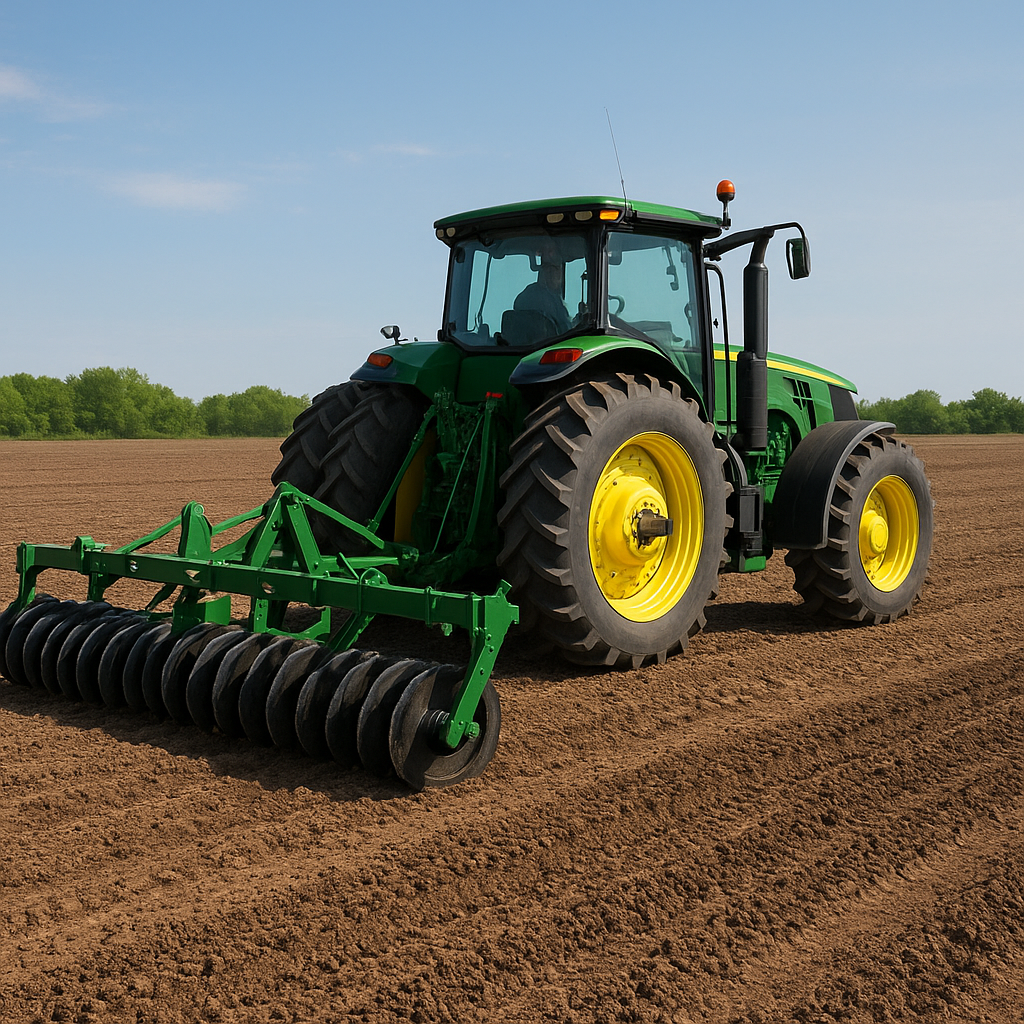
- John Deere 8R Series: Equipped with a 9-liter engine delivering up to 330 HP, this series features a PowerShift transmission, optional tracks, and a high-capacity hydraulic system rated at 160 L/min.
- Caterpillar XKU Compact Track Loader: Although technically a loader, this unit’s undercarriage mimics tractor tracks. With 74 HP and 239 L/min hydraulic flow, it excels at grading and backfilling.
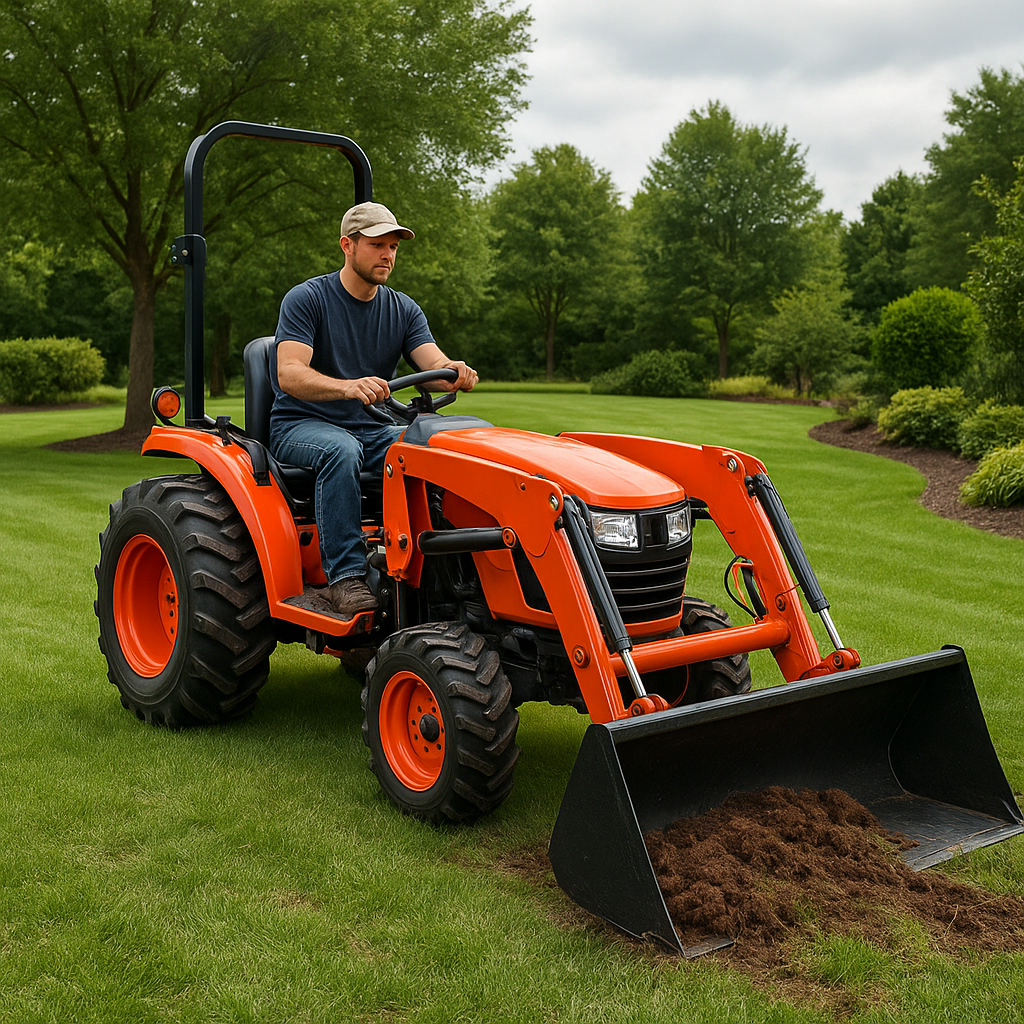
- Kubota M7 Utility Tractor: Offering up to 175 HP, a cab height optimized for low-clearance sites, and a factory-installed quick-hitch system for rapid implement changes.
- New Holland T7 Heavy Duty: Featuring a 6-cylinder engine with 310 HP, an efficient ECOBlue™ HI-eSCR solution for emissions, and a front axle suspension system for enhanced ride quality.
- Case IH Puma CVXDrive: Known for its smooth continuously variable transmission, 285 HP output, and industry-leading hydraulic capacity of 190 L/min, ideal for multi-implement operations.
Each of these models integrates advanced technology and robust undercarriage components to withstand the toughest site conditions, from quarry work to urban redevelopment.
Key Attachments and Upgrades
Attachments extend the versatility of a construction tractor, transforming a single machine into a multi-purpose workhorse. Choosing the right implements can dramatically increase efficiency and reduce the need for specialized equipment.
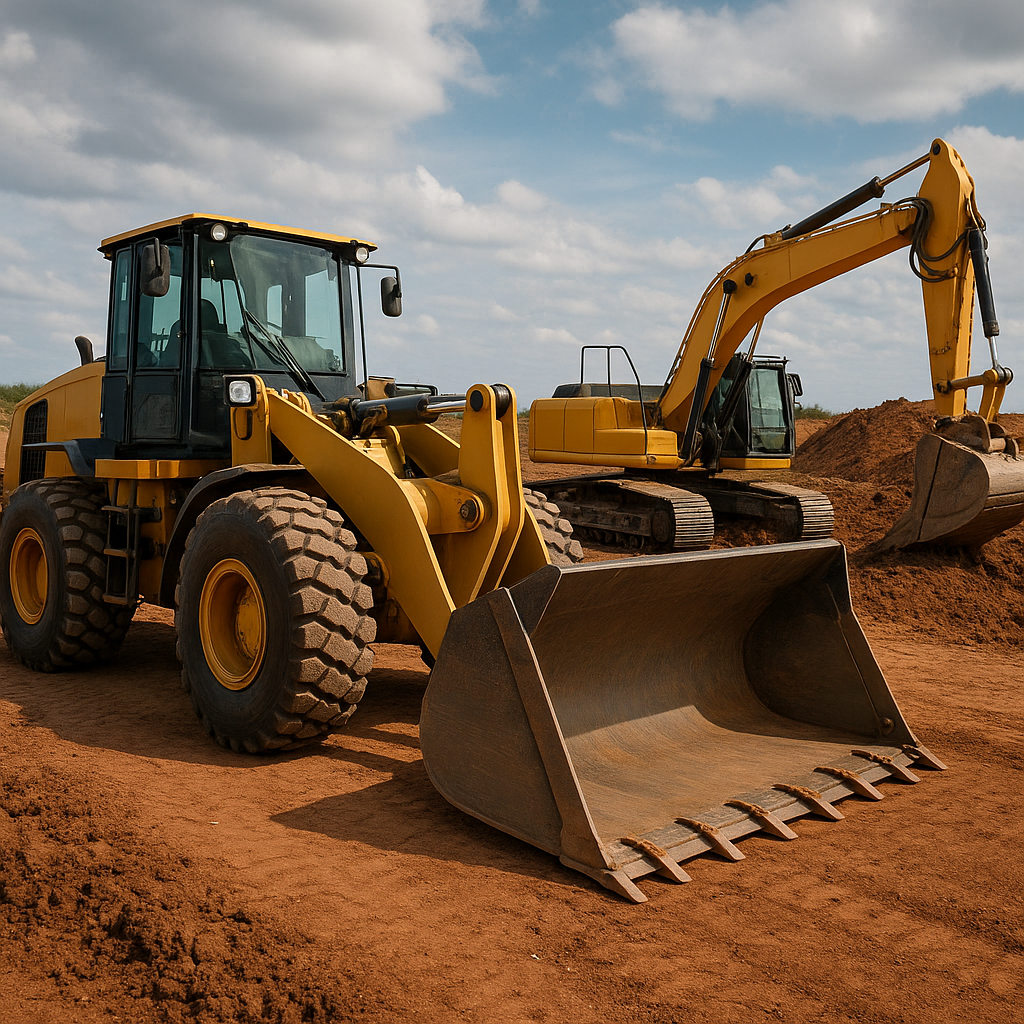
- Backhoe Units: Provide high digging speeds and exceptional breakout force for trenching, foundation footings, and landscaping channels.
- Dozer Blades: Available in straight, 6-way, or U-blade configurations to handle grading, leveling, and stockpile management tasks.
- Hydraulic Breakers: Deliver percussive force for breaking concrete slabs, rock formations, and asphalt surfaces.
- Auger Drives: Ideal for fence posts, foundation piers, and tree planting, available in diameters ranging from 150 mm to over 600 mm.
- Rippers and Scarifiers: Loosen compaction in soil or asphalt, improving penetration for subsequent digging or grading operations.
- Quick Hitch Systems: Allow rapid coupling of multiple attachments, saving valuable time during project turnover.
- GPS Grade Control: Automated slope and elevation guidance modules reduce manual staking and rework, ensuring pinpoint accuracy.
Maintenance Tips for Longevity
Proper service routines are critical to preserving the reliability and resale value of construction tractors. Scheduled maintenance not only prevents unscheduled downtime but also ensures that components operate at peak efficiency.
- Inspect and replace hydraulic filters every 500 engine hours to avoid contamination-related failures.
- Monitor tire or track condition and tension weekly to maintain optimal traction and prevent uneven wear.
- Change engine oil and primary filters according to manufacturer recommendations, typically every 250–300 hours.
- Flush cooling systems annually and inspect hoses and radiators for leaks or debris buildup.
- Grease all pivot points, linkages, and bearings at each service interval to reduce friction and extend component life.
- Update onboard software and control modules to access new features and diagnostic capabilities.
- Perform visual checks of hydraulic lines and electrical connections for abrasion or corrosion.
Future Trends in Construction Tractors
Innovation continues to reshape the landscape of heavy equipment. Manufacturers are investing heavily in electrification, automation, and sustainable solutions to meet the evolving needs of the construction industry.
- Electric and Hybrid Powertrains: Offer reduced emissions and lower noise levels, particularly beneficial for urban projects with strict environmental regulations.
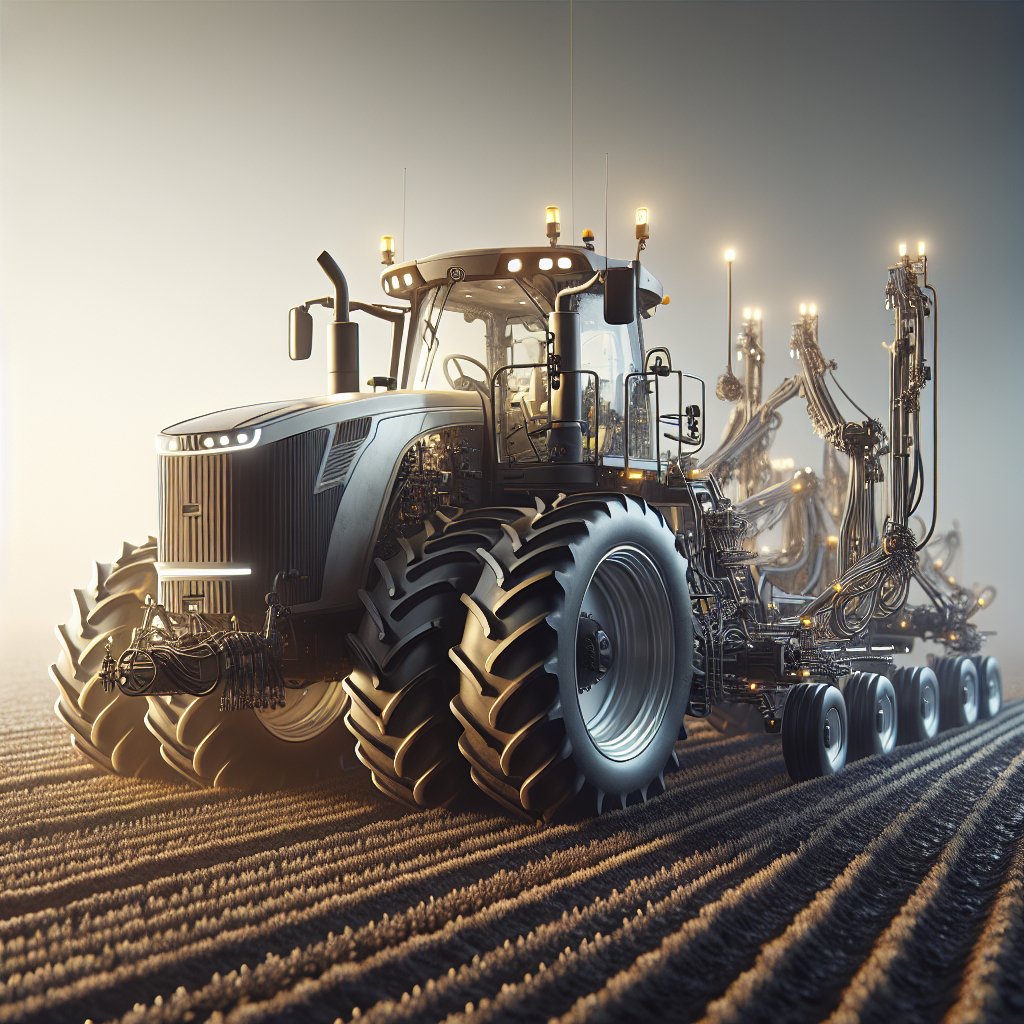
- Autonomous Operation: Driver-assist features, collision avoidance systems, and fully autonomous machines promise to enhance safety and cut labor costs.
- Telematics Integration: Cloud-based platforms enable predictive maintenance, remote diagnostics, and fleet optimization, driving down total cost of ownership.
- Alternative Fuels: Biogas, hydrogen, and renewable diesel options are under development to further reduce carbon footprints.
- Advanced Materials: High-strength, lightweight alloys and composites improve fuel efficiency and resist corrosion in harsh environments.
As the construction sector embraces digital transformation, the next generation of tractors will integrate smart sensors, artificial intelligence, and modular designs to deliver unmatched efficiency and performance on every jobsite.