Selecting the right tractor seat can transform daily farm work from a painful grind into a comfortable, productive experience. Whether you spend hours plowing fields or transporting equipment, your seat plays a pivotal role in reducing fatigue, improving posture, and protecting your back. This article explores essential factors and practical tips to help you pick the perfect tractor seat for long-term comfort and productivity.
Understanding Tractor Seat Ergonomics
When evaluating seats, ergonomics is more than a buzzword—it’s the science of fitting the equipment to the operator. An ergonomically designed seat minimizes stress on the spine and muscles by distributing weight evenly and promoting a healthy posture. Key considerations include:
- Lumbar Support: Look for a seat with adjustable lumbar support to cradle the lower back and maintain the natural curve of the spine.
- Cushion Design: A contoured cushion with memory foam or gel inserts reduces pressure points and enhances blood circulation.
- Backrest Angle: Seats that allow you to change the recline angle help you adapt to different tasks, from steering precision wheels to heavy-duty hitching.
Ignoring these features can lead to chronic back pain and long-term injuries. By prioritizing ergonomics, you invest in your health and efficiency on the tractor.
Key Features for Maximum Comfort
Modern tractor seats come packed with features designed for superior comfort and durability. When comparing models, focus on these critical attributes:
- Suspension System: Mechanical or air-cushion suspension absorbs shocks and vibrations, preventing jolts from uneven terrain.
- Air-Ride Technology: Seats with pneumatic air-ride systems allow you to adjust firmness on-the-fly, adapting instantly to changing field conditions.
- Adjustable Armrests: Removable or height-adjustable armrests reduce shoulder strain and support ergonomic hand positioning.
- Swivel Capability: A swivel seat simplifies mounting and dismounting while offering greater visibility when checking implements.
- Durability of Materials: Heavy-duty vinyl or fabric resists wear, UV damage, and oil spillage, ensuring your seat lasts season after season.
While premium seats may cost more initially, the enhanced comfort and extended lifespan often make them a worthwhile investment for serious operators.
Installation and Adjustment Tips
Even the most advanced seat won’t perform well if installed or adjusted incorrectly. Follow these guidelines to get the perfect fit:
1. Proper Height and Tilt
- Adjust seat height so your hips are level with or slightly higher than your knees, promoting healthy circulation.
- Experiment with forward or backward tilt to find a neutral spine position where you can reach controls comfortably.
2. Suspension Tuning
- Mechanical springs should be set to match your body weight; consult manufacturer instructions for preload settings.
- For air-ride seats, inflate the bellows until you feel firm but cushioned support; avoid overinflation, which negates shock absorption.
3. Control Accessibility
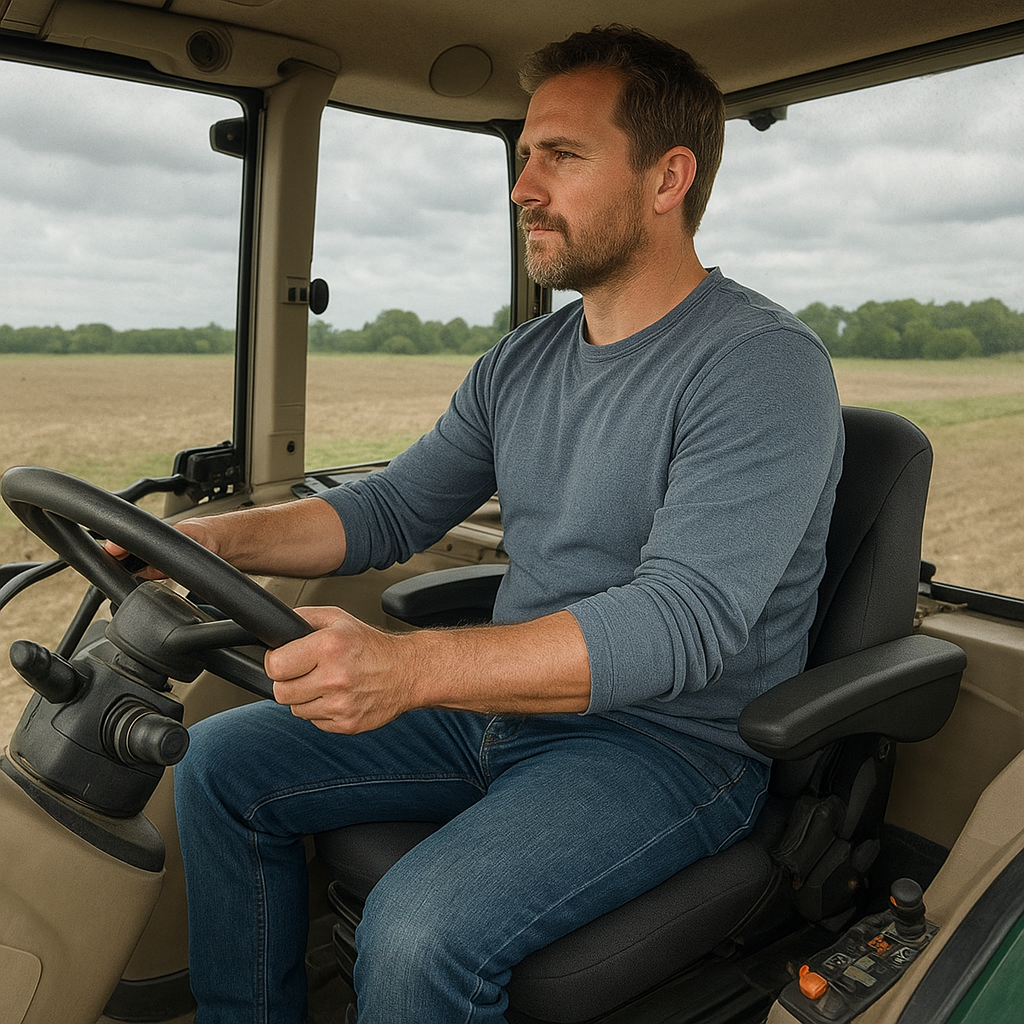
- Position armrests so elbows rest at a 90-degree angle, minimizing shoulder fatigue.
- Ensure essential controls—steering wheel, levers, pedals—are within easy reach without excessive stretching.
Regularly test your adjustments during different tasks to fine-tune comfort. Minor tweaks can make a major difference in reducing vibration and soreness over a long day.
Maintenance and Upkeep for Long-Term Performance
Maintaining your seat ensures it continues to deliver peak performance throughout its service life. Routine care steps include:
- Cleaning Surfaces: Remove dust and debris with a soft brush or microfiber cloth. For tough grime, use mild soap and water.
- Inspecting Moving Parts: Check suspension springs, air lines, and adjustment levers for wear or damage. Lubricate pivot points with a silicone-based spray.
- Repairing Tears: Small rips in vinyl or fabric can be patched with repair kits to prevent further tearing and loss of cushioning.
- Checking Fasteners: Tighten mounting bolts and check welds periodically to avoid unexpected loosening on rough terrain.
Proactive upkeep not only extends the life of your tractor seat but also maintains the support and comfort features you rely on every day.
Choosing the Right Seat for Your Tractor Type
Not all tractors are built alike, and seat requirements vary depending on model, horsepower, and intended use. Consider these tractor categories when selecting a seat:
Light-Duty Utility Tractors
- Features: Basic mechanical suspension, moderate cushioning, simple adjustments.
- Best For: Orchards, mowing, light tillage—tasks with limited vibration and impact.
Heavy-Duty Row Crop Tractors
- Features: Enhanced air-ride suspension, advanced lumbar support, multi-directional adjustability.
- Best For: Long hours planting, cultivating, or harvesting across uneven fields.
Specialty Tractors (Vineyard, Orchard, Compact)
- Features: Compact frames, foldable backs, swivel seats for tight spaces.
- Best For: Maneuvering between vines, trees, or in confined barn areas.
Selecting a seat tailored to your tractor’s intended functions maximizes both cushioning and control, ensuring you stay comfortable whether pruning branches or plowing furrows.
Final Considerations Before Buying
Before making your purchase, keep these factors in mind to ensure a satisfactory outcome:
- Test Drive: Whenever possible, sit in a demo seat to evaluate comfort under simulated work conditions.
- Warranty and Support: Choose brands offering comprehensive warranties and readily available replacement parts.
- Budget vs. Value: Balance your budget with the long-term health benefits and productivity gains from a higher-end model.
- Installation Compatibility: Verify mounting dimensions and bolt patterns match your tractor’s manufacturer specifications.
Investing time in research and seat trials pays dividends in reduced fatigue, improved ergonomics, and enhanced operational efficiency for years to come.